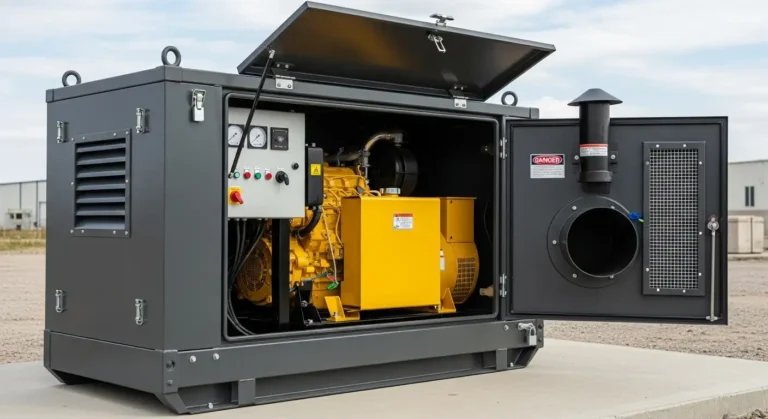
Can an HOA Deny a Standby Generator?
Homeowners’ Associations (HOAs) are responsible for maintaining the aesthetics and harmony of a community. As a result, they often impose strict guidelines and regulations on property alterations and additions.
Can an Hoa Deny a Standby Generator? Yes, an HOA can deny a standby generator. The decision is based on the community’s CC&Rs and how the installation might affect uniformity and aesthetics. Homeowners should engage in open communication, providing strong justifications and compromises, and consider internal dispute resolution before pursuing legal action.
See Also: Can a Generator Damage a Refrigerator?
Can an HOA Deny a Standby Generator? Understanding the Rules and Regulations
One common query that arises among homeowners is whether an HOA can deny the installation of a standby generator on their property. This guide explores the complexities of this issue and aims to provide clarity on the matter.
1: The Role and Power of Homeowners’ Associations
Before delving into the specifics of standby hoa generator installation, it is essential to understand the role and authority of HOAs. Homeowners’ Associations are established to protect and enhance the value and appearance of properties within a community.
They set forth a set of rules and regulations, commonly referred to as covenants, conditions, and restrictions (CC&Rs). These guidelines govern a wide range of aspects, including architecture, landscaping, and external modifications to properties.
2: Analyzing CC&Rs and Existing Regulations
The first step in determining whether an HOA can deny a standby generator is to review the community’s CC&Rs. These documents dictate what homeowners can and cannot do on their properties. While some CC&Rs might explicitly address the issue of standby generators, others may not be as specific.
Standby generators are often considered exterior modifications to a property, and therefore, they might fall under the purview of the HOA’s regulations.
If the CC&Rs clearly prohibit any external additions or alterations without prior approval, then the installation of a standby generator would require authorization from the HOA.
3: The Importance of Uniformity and Aesthetics
One of the primary reasons behind HOAs’ strict regulations is to maintain uniformity and aesthetics within the community.
A visible standby generator might not conform to the overall design and landscaping scheme of the neighborhood, potentially impacting property values and the community’s appeal.
As a result, an HOA might consider denying a standby generator if it is deemed to interfere with the visual harmony of the area.
4: Seeking Approval from the HOA
If a homeowner wishes to install a standby generator, the prudent course of action is to request approval from the HOA before proceeding with the installation. Some HOAs might have a formal application process for modifications, while others might require written requests and supporting documentation.
Homeowners can increase their chances of approval by providing detailed plans and illustrations showcasing how the standby generator will be installed in a discreet and unobtrusive manner.
Additionally, highlighting the generator’s necessity in ensuring uninterrupted power supply during emergencies could sway the decision in favor of the homeowner.
5: Exceptions and Compromises
While HOAs tend to adhere strictly to their guidelines, there might be certain exceptions and compromises that can be made. For instance, if a homeowner faces unique circumstances, such as medical conditions requiring consistent power, the HOA might be willing to make allowances.
Alternatively, the homeowner might negotiate to implement additional landscaping or screening to conceal the generator from view.
Section 6: Legal Considerations and Dispute Resolution
In some cases, homeowners might believe that their request for a standby generator has been unreasonably denied, leading to disputes with the HOA. If informal negotiations fail to yield a resolution, legal action might be contemplated.
However, it is crucial to note that taking legal action against an HOA can be complex and expensive, and the outcome is not always favorable for the homeowner.
Before considering legal action, homeowners should carefully review their CC&Rs and any specific dispute resolution mechanisms outlined in the governing documents.
Many HOAs have internal processes for resolving disputes, such as mediation or arbitration, which should be explored before pursuing litigation.
Is a Standby Generator a Good Idea?
Yes, a standby generator can be a very beneficial and practical investment for homeowners. Standby generators are designed to provide backup power during emergencies, such as power outages caused by severe weather or utility failures.
Having a standby hoa generators ensures that essential appliances and systems like refrigerators, heating and cooling, medical equipment, and communication devices can continue to function, providing comfort, safety, and peace of mind during unexpected disruptions.
Additionally, for homeowners living in areas prone to frequent power outages, a standby generator can save time and money by preventing potential damage to electronics and appliances. Overall, a standby generator is a wise choice for those seeking to maintain power reliability and security in their homes.
Conclusion
Can an HOA deny a standby generator? The answer depends on the community’s CC&Rs and installation circumstances. HOAs prioritize uniformity and aesthetics, which may lead to denials for modifications.
Homeowners should communicate openly with the HOA, offering justifications and compromises for approval. In disputes, consider internal resolution before costly litigation.
Read Also: How Big of a Steam Generator Do I Need?