
Can You Put a Generator in a Box?
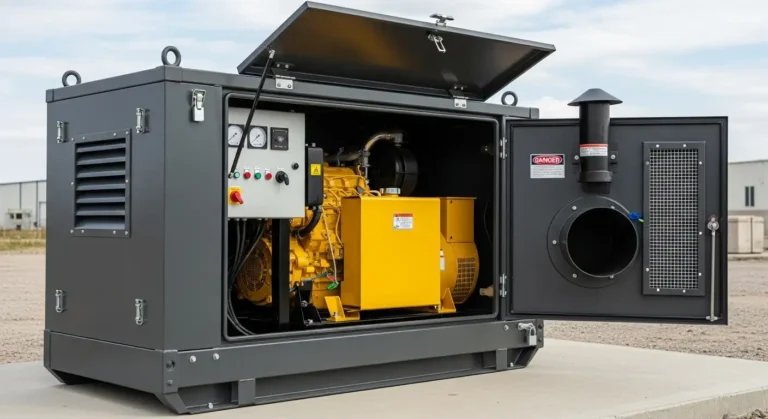
The first time I bought a portable generator, I thought the hard part was over. But the moment it started raining, I found myself staring at it and wondering, “Can you put a generator in a box?” I didn’t want it exposed to weather, but I also didn’t want to do something unsafe.
Like many homeowners, my main concerns were noise, rain, and where to store it without turning my backyard into an eyesore. I even considered building a simple wooden box to hide it, thinking it would be a quick solution.
What I didn’t realize at the time was that generators need more than just protection—they need airflow, space, and proper ventilation to stay safe. Putting one in the wrong kind of box can cause overheating, carbon monoxide buildup, or serious damage.
After researching and learning from real-world mistakes, I discovered that yes, you can put a generator in a box—but only if it’s done the right way. Below, I’ll walk you through what works, what doesn’t, and how to protect your generator without putting your home at risk.
Contents
- What Is “Putting a Generator in a Box”?
- Why Can You Put a Generator in a Box? Is Important
- Can You Put a Generator in a Box? (The Short Answer)
- How to Put a Generator in a Box Safely (Step-by-Step)
- Common Mistakes to Avoid
- Tips to Get Better Results
- FAQs About Can You Put a Generator in a Box?
- Conclusion: Should You Put a Generator in a Box?
What Is “Putting a Generator in a Box”?
At its core, putting a generator in a box means enclosing a portable or standby generator inside some type of structure for protection or noise reduction.
That “box” might be:
- A DIY wooden enclosure
- A metal generator shed
- A ventilated soundproof box
- A manufacturer-approved generator enclosure
- A temporary weatherproof cover with airflow
What it does not mean is sealing a generator in an airtight container.
That’s where people get into trouble.
A generator produces heat, exhaust gases, and vibration. Any box or enclosure must account for all three. Done correctly, enclosing a generator can be safe and effective. Done wrong, it can destroy equipment—or worse.
Why Can You Put a Generator in a Box? Is Important
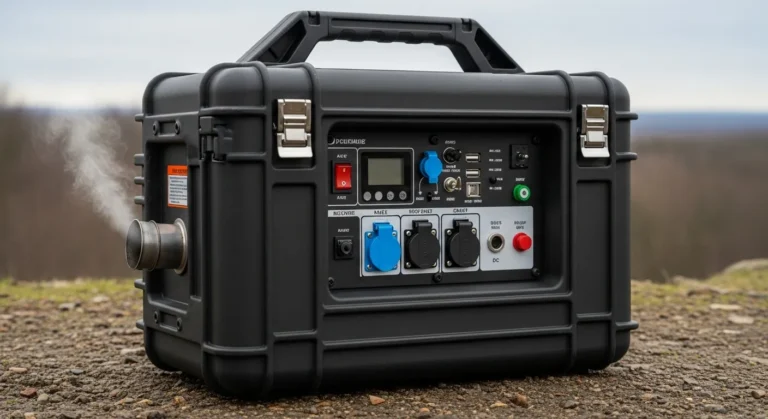
Understanding why people want to box in a generator helps clarify how to do it safely.
Common Reasons People Enclose Generators
- Noise reduction in residential areas
- Weather protection from rain, snow, or dust
- Security against theft or tampering
- Organization on job sites
- Longer generator lifespan
On construction sites and rural homes, boxed generators are extremely common. The key difference between safe setups and dangerous ones is ventilation and spacing.
Benefits of Doing It the Right Way
- Reduced noise levels without overheating
- Protection from water damage
- Cleaner operation in dusty environments
- More consistent performance
- Less wear on electrical components
The question isn’t really can you put a generator in a box?
It’s how you design that box.
Can You Put a Generator in a Box? (The Short Answer)
Yes, you can put a generator in a box—if the box is properly designed for ventilation, heat dissipation, and exhaust flow.
No, you should never put a generator in a sealed or poorly ventilated box.
Carbon monoxide buildup is the biggest danger. It’s odorless, invisible, and deadly. Any enclosure must allow exhaust to exit freely and fresh air to enter continuously.
How to Put a Generator in a Box Safely (Step-by-Step)
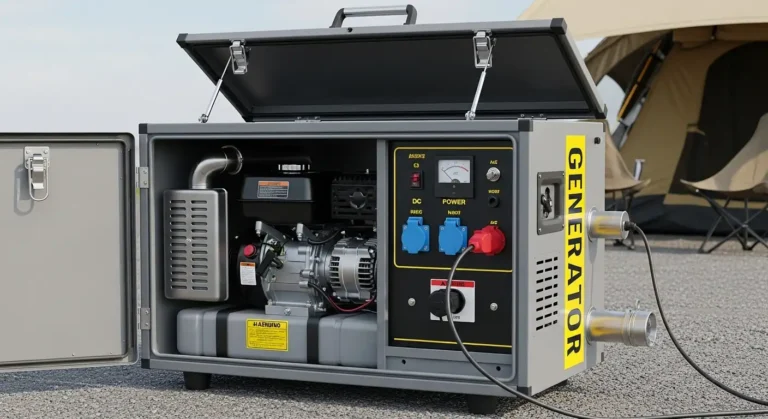
If you’re planning to enclose a generator, follow these steps carefully. This is the same approach I recommend to homeowners and small contractors.
Step 1: Choose the Right Location
Never place a boxed generator:
- Inside a house or garage
- Near windows, doors, or vents
- Under low-hanging structures
Best locations include:
- Open outdoor areas
- At least 20 feet from buildings
- Downwind from living spaces
- On level, non-combustible ground
Step 2: Select the Proper Box or Enclosure
You have three realistic options:
Option 1: Manufacturer-Approved Enclosure
- Designed for airflow
- Usually weather-rated
- Most expensive but safest
Option 2: DIY Generator Box
- Must include large ventilation openings
- Requires careful planning
- Cost-effective if built correctly
Option 3: Generator Shed
- Permanent solution
- Best for standby generators
- Allows soundproofing and airflow control
Avoid plastic storage bins, sealed toolboxes, or makeshift crates. These trap heat and exhaust.
Step 3: Build in Proper Ventilation
This is the most important step.
Your box must allow:
- Cool air intake
- Hot air exhaust
- Unrestricted exhaust pipe flow
Best practices:
- Vent openings on opposite sides
- Louvered vents or metal grilles
- Heat-resistant materials near exhaust
- At least 30–40% open airflow area
If the generator feels hotter than normal, airflow is insufficient.
Step 4: Direct Exhaust Safely
Never let exhaust bounce around inside the box.
- Align the exhaust toward an open vent
- Use heat shields if needed
- Never extend exhaust indoors
- Keep exhaust clear of walls
Carbon monoxide must disperse quickly into open air.
Step 5: Reduce Noise Without Blocking Air
Soundproofing is possible, but it must be done carefully.
Safe noise-reduction methods include:
- Acoustic foam on interior walls only
- Rubber isolation mounts
- Thick exterior panels with ventilation gaps
- Angled baffles that don’t restrict airflow
Never stuff insulation near the engine or exhaust.
Step 6: Test Before Regular Use
Before relying on the setup:
- Run the generator for 30–60 minutes
- Monitor temperature
- Check for exhaust buildup
- Listen for airflow changes
If the generator shuts down or smells unusually hot, stop immediately.
Common Mistakes to Avoid
I’ve seen every one of these mistakes cause damage or dangerous conditions.
1. Using an Airtight Box
This is the fastest way to overheat a generator and create a carbon monoxide hazard.
Fix: Always include large, open ventilation paths.
2. Blocking the Exhaust
Even partial blockage can force exhaust back toward the engine.
Fix: Keep exhaust unobstructed and pointed outward.
3. Placing the Box Too Close to Buildings
Even outdoor setups can be deadly if exhaust drifts indoors.
Fix: Maintain proper distance and wind awareness.
4. Overdoing Soundproofing
More insulation is not always better.
Fix: Prioritize airflow over noise reduction.
5. Ignoring Maintenance Access
A box that’s hard to open leads to skipped oil checks and poor upkeep.
Fix: Use hinged panels or removable sides.
Tips to Get Better Results
If you want your boxed generator setup to last and perform well, these expert tips make a big difference.
1. Use Heat-Resistant Materials
- Cement board near exhaust
- Metal vents instead of plastic
- Fire-rated insulation if used
2. Elevate the Generator
- Keeps it dry
- Improves airflow
- Reduces vibration noise
A simple concrete pad works well.
3. Install a Temperature Gauge
Cheap and incredibly useful.
- Alerts you to airflow issues
- Prevents long-term damage
- Helps fine-tune vent placement
4. Clean Vents Regularly
Dust, leaves, and insects love warm enclosures.
- Inspect monthly
- Clear blockages immediately
- Check after storms
5. Match Box Size to Generator Size
Bigger is usually better.
- More air volume
- Better cooling
- Easier maintenance
Tight enclosures cause problems fast.
FAQs About Can You Put a Generator in a Box?
Can you put a generator in a box to reduce noise?
Yes, but only if the box is properly ventilated. Noise reduction should never come at the expense of airflow or exhaust safety.
Can you put a generator in a box in the rain?
Yes. A ventilated, weatherproof enclosure is often safer than leaving a generator exposed—provided water cannot enter the electrical components.
Is it safe to put a generator in a wooden box?
It can be, if the wood is treated, kept away from the exhaust, and combined with heat shielding and ventilation.
Can you put a generator in a box overnight?
Only if it’s outdoors, far from buildings, and designed for continuous operation. Never run a boxed generator unattended without proper safeguards.
Do generators overheat in boxes?
They can if airflow is restricted. Proper vent design prevents overheating.
Conclusion: Should You Put a Generator in a Box?
So, can you put a generator in a box?
Yes—but only when safety comes first.
A well-designed enclosure can protect your generator, reduce noise, and extend its lifespan. A poorly designed one can damage equipment or create serious health risks.
Focus on ventilation, exhaust flow, and distance from buildings, and you’ll have a setup that works reliably and safely.
If you’re ever unsure, choose more airflow, more space, and fewer shortcuts. That approach has never failed me in the field.
How to Drain Fuel from a Generator Safely & Easily


