13 DIY Generator Shed Ideas That Are Easy to Build
Looking for smart and affordable ways to protect your generator? These DIY generator shed ideas will help you build a functional, weather-resistant shelter that keeps your equipment safe while blending seamlessly into your outdoor space.
When we bought our home, the generator felt like a necessary evil. It worked great during outages, but every time I stepped into the backyard, there it was—loud, exposed, and completely out of place.
Leaving it uncovered wasn’t safe, dragging it into the garage wasn’t practical, and store-bought enclosures were shockingly expensive for what they offered.
That frustration is what pushed me toward exploring DIY generator shed ideas. I wanted something simple, affordable, and sturdy enough to protect the generator from rain, heat, and debris, without ruining the look of the yard.
Like most DIY projects, it started with a lot of questions: How much ventilation is enough? What materials hold up outdoors? Can this be built without advanced carpentry skills?
The good news is, building your own generator shed doesn’t have to be complicated or costly. With basic tools, smart planning, and the right design, you can create a shelter that keeps your generator safe, reduces noise, and blends naturally into your outdoor space.
In this guide, I’ll walk you through practical DIY generator shed ideas that balance protection, airflow, and style—so your generator stays ready when you need it, without becoming an eyesore.
Contents
- Why DIY Generator Shed Ideas Matter for Practical Homeowners
- How Generator Placement Influences Shed Design Decisions
- Ventilation and Heat Control with Generator Shed
- 13 DIY Generator Shed Ideas
- Smarter Designs for Real-World Generator Use
- Balancing Comfort and Performance in Generator Shed Design
- Smart Maintenance Habits for Long-Lasting Generator Sheds
- Safety Checks That Support Reliable Generator Operation
- Final Thoughts
Why DIY Generator Shed Ideas Matter for Practical Homeowners
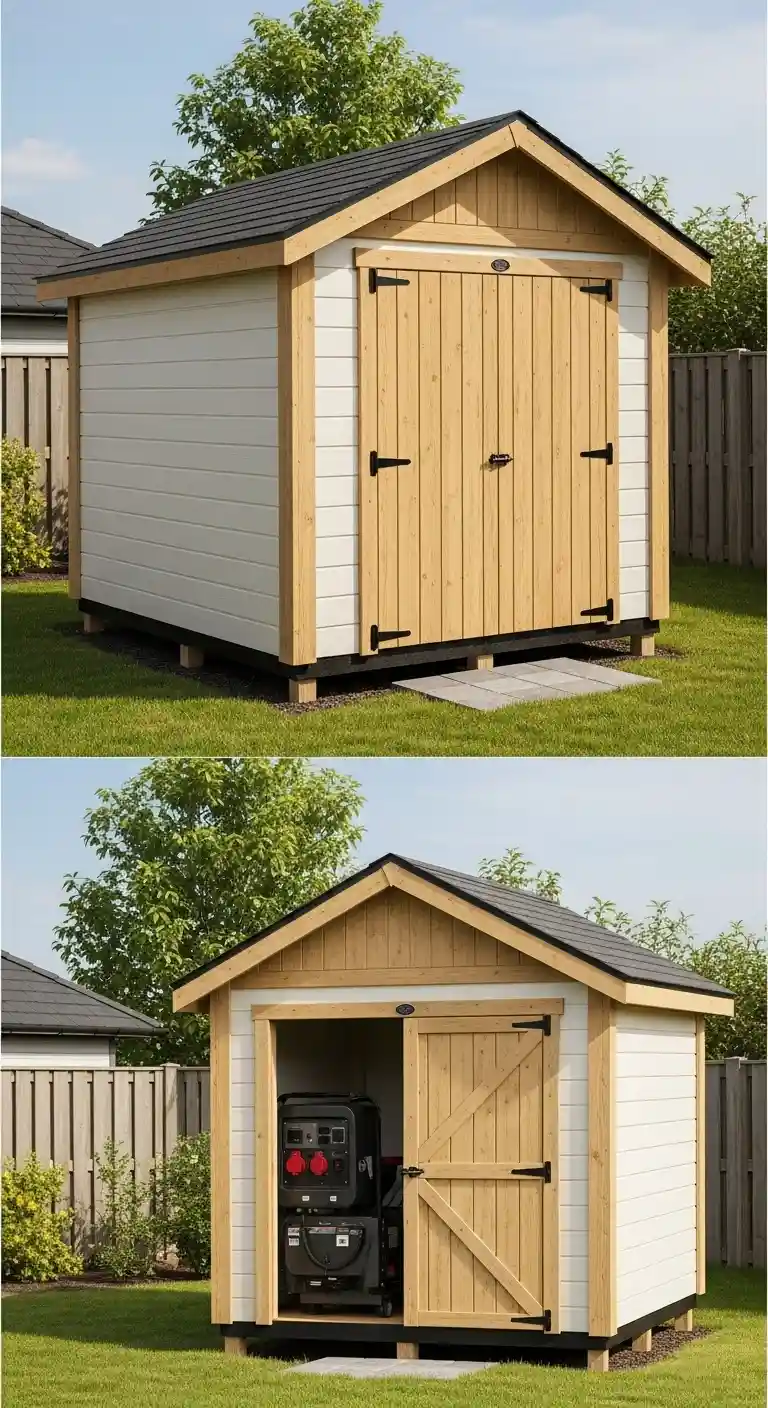
Reliable power solutions deserve proper protection, especially when generators represent a significant investment for home preparedness.
Diy Generator Shed Ideas offer homeowners affordable, customizable options that balance safety, ventilation, and outdoor organization.
This guide targets readers interested in backyard improvements, emergency readiness, and hands-on construction projects.
Related concepts such as homemade generator enclosures, outdoor generator shelters, and small generator sheds appear naturally throughout this article.
Each section connects design creativity with real functional needs like airflow, weather resistance, and accessibility.
By breaking ideas into manageable concepts, this article helps readers plan confidently without overwhelming technical complexity.
How Generator Placement Influences Shed Design Decisions
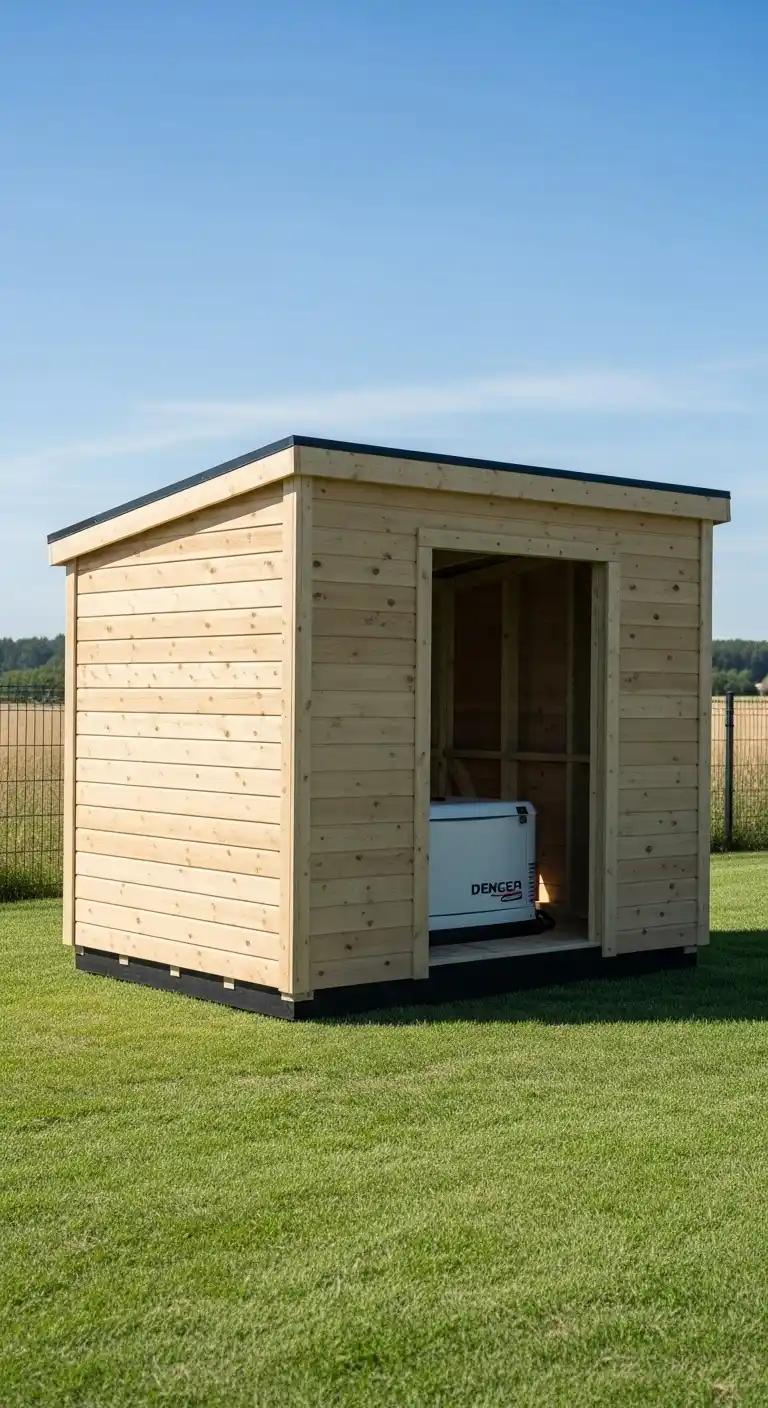
Before building any structure, generator placement directly affects how Diy Generator Shed Ideas perform over time.
Distance from walls, fencing, and living spaces influences airflow efficiency and sound management. Ground stability matters because uneven surfaces increase vibration and long-term mechanical strain.
Proper placement also simplifies fuel access and routine maintenance tasks. This section encourages readers to evaluate yard layout, drainage patterns, and clearance requirements carefully.
Thoughtful placement reduces redesign risks and improves safety outcomes significantly.
Ventilation and Heat Control with Generator Shed
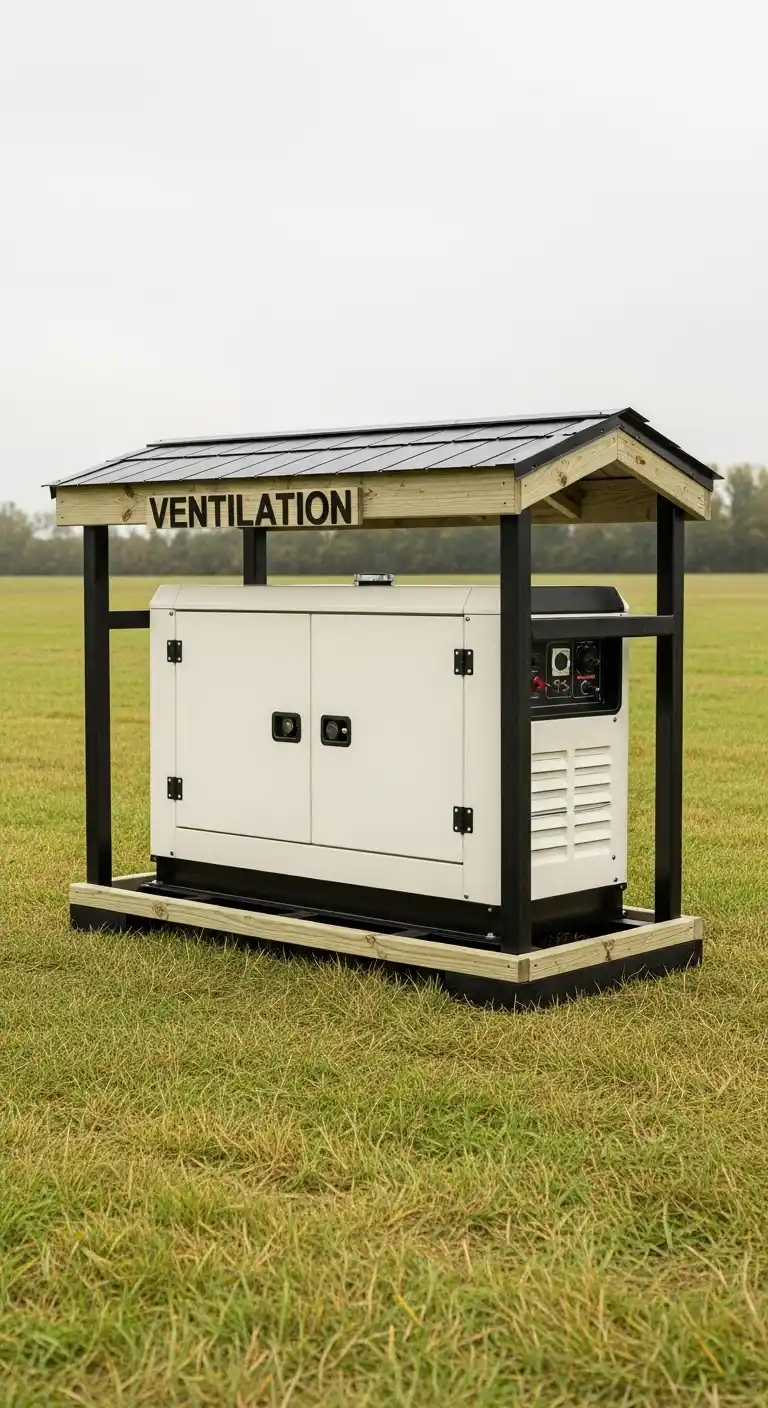
Ventilation remains the most critical feature across all Diy Generator Shed Ideas, regardless of size or material choice.
Generators produce heat continuously, requiring consistent airflow to maintain efficient operation. Poor ventilation shortens equipment lifespan and increases operational risks unnecessarily.
Strategic vent placement ensures heat escapes while preventing rain or debris entry. This section helps readers prioritize airflow early instead of correcting mistakes later.
Proper ventilation planning supports both performance reliability and long-term equipment protection.
13 DIY Generator Shed Ideas
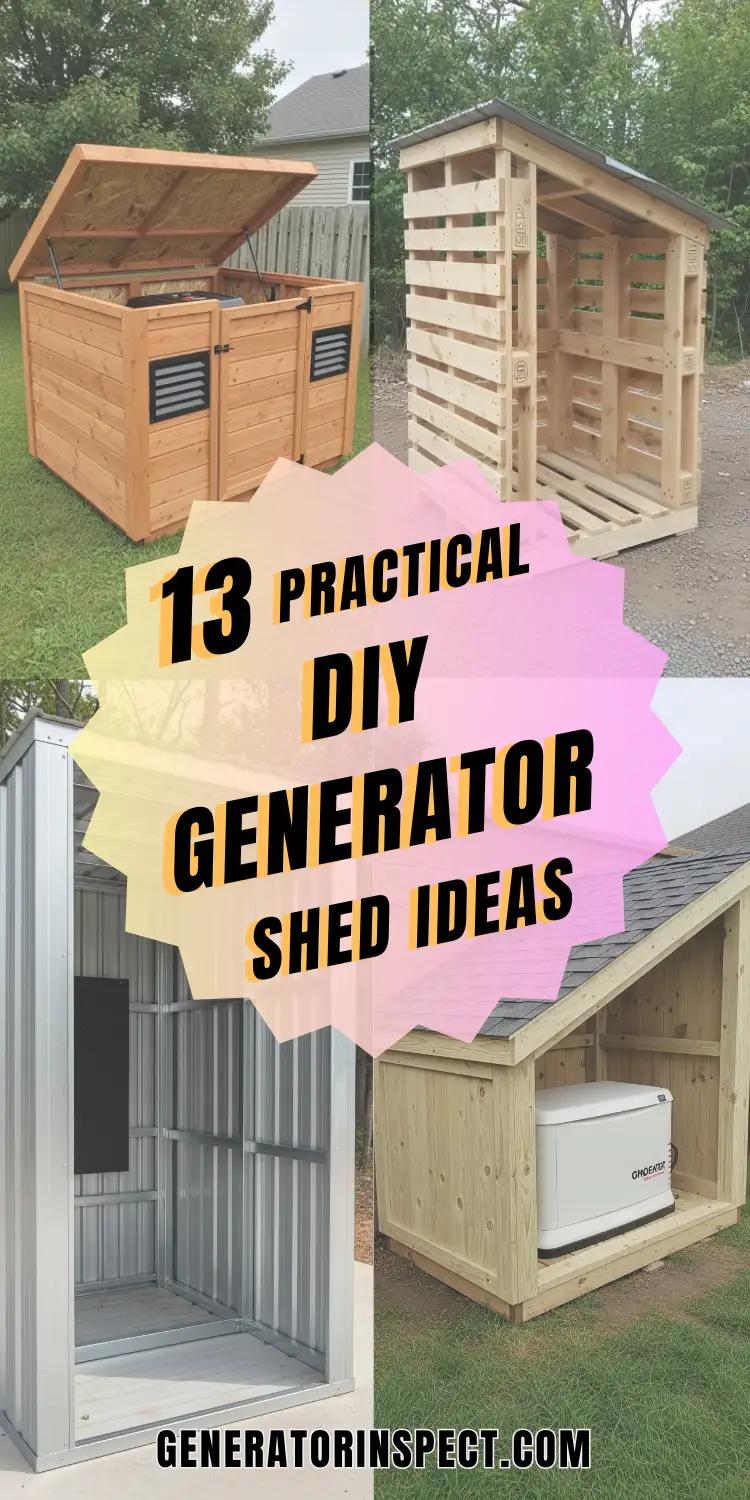
1. Compact Wooden Box Shed with Lift-Up Roof
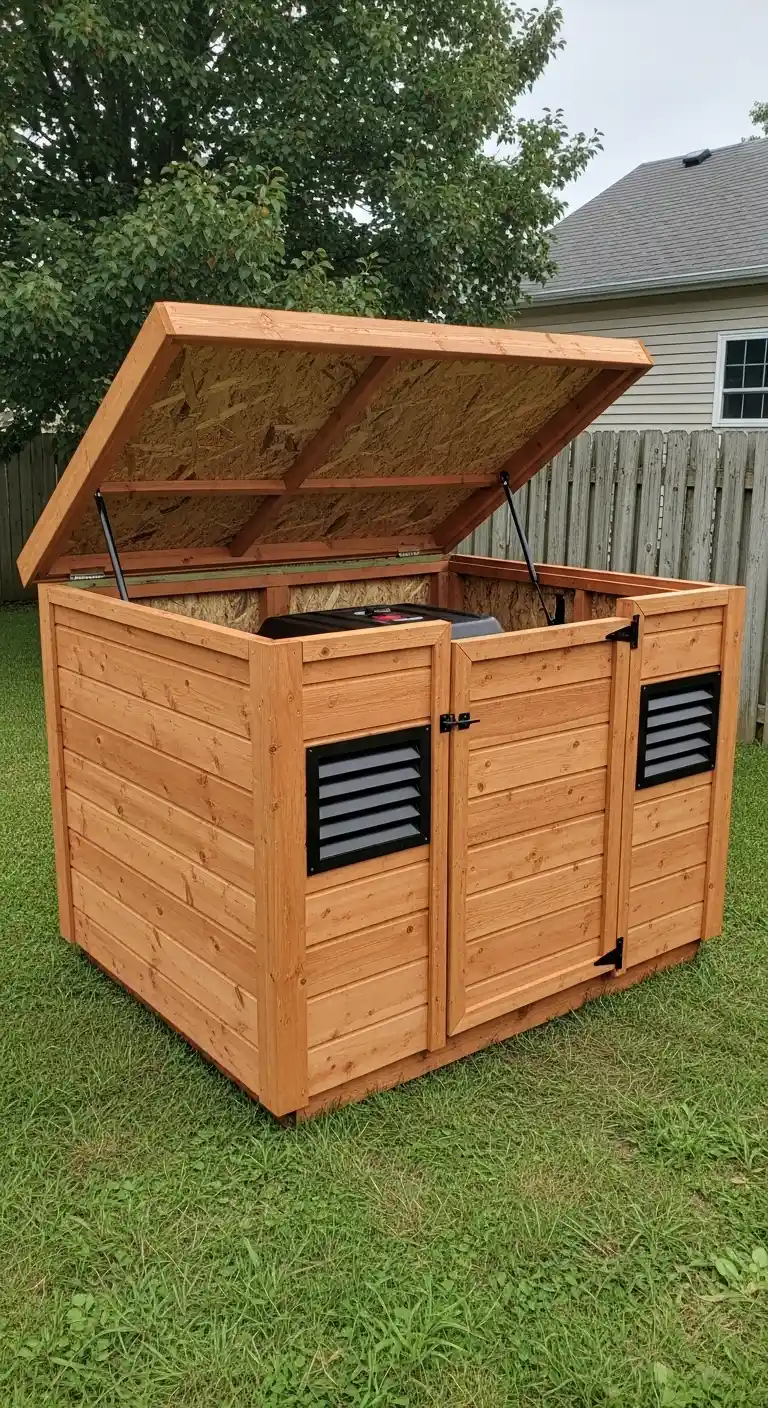
This Diy Generator Shed Idea focuses on compact efficiency while offering reliable weather protection for everyday generator use.
The box-style structure fits small yards, making it suitable for homeowners with limited outdoor space. A lift-up roof improves accessibility during refueling, inspections, and routine maintenance tasks.
Using pressure-treated wood increases durability while remaining approachable for beginner builders. Vent panels placed on opposite sides encourage cross airflow during operation periods.
This design keeps construction simple while meeting essential safety and functionality requirements effectively.
2. Pallet-Based Generator Shed for Budget-Conscious Builders
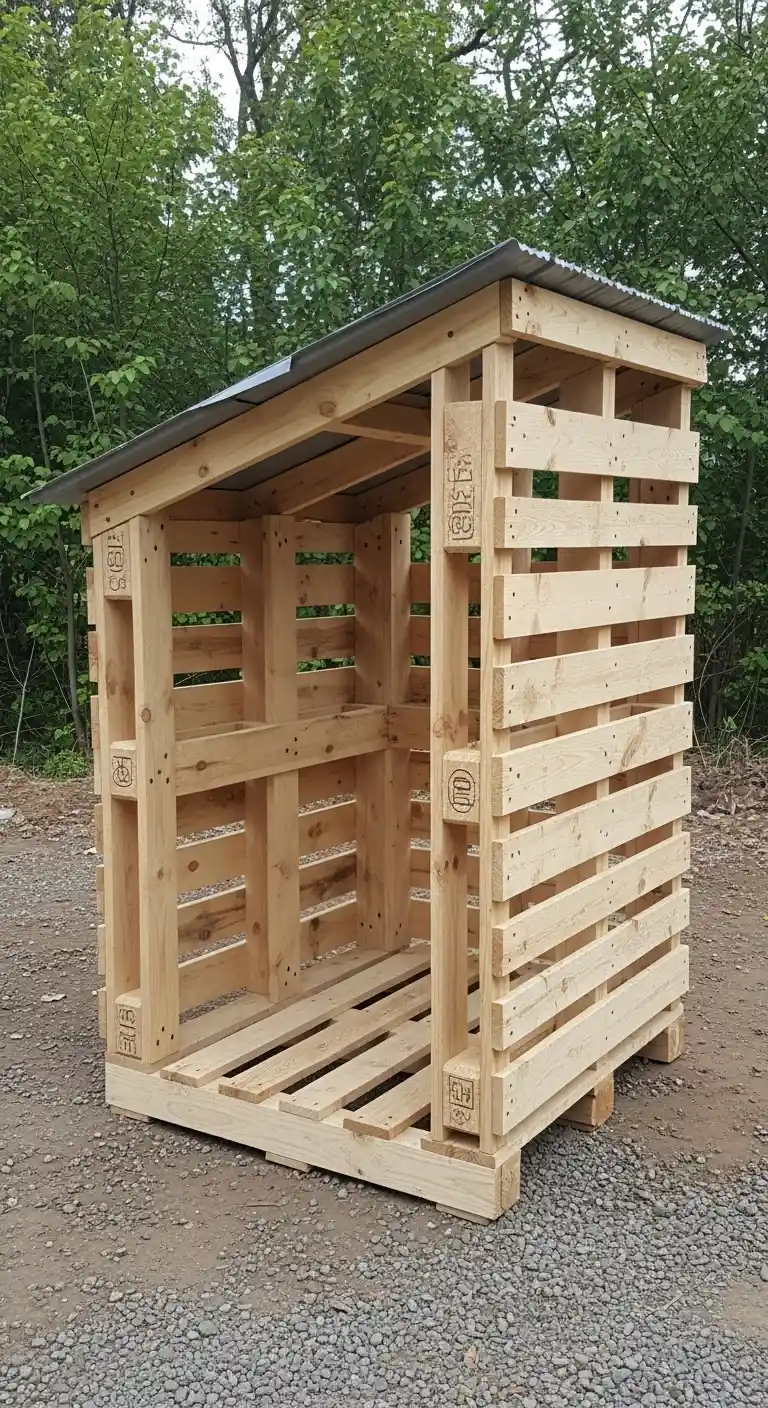
Pallet construction makes this Diy Generator Shed Idea attractive for homeowners prioritizing affordability and sustainability.
Reclaimed pallets provide sturdy framing material when properly reinforced and sealed. Natural spacing between pallet boards supports airflow without additional ventilation modifications.
A sloped roof improves rain runoff while protecting internal components from moisture exposure. This design aligns creativity with practicality, offering dependable generator protection at minimal cost.
It suits readers who enjoy repurposing materials while maintaining functional reliability.
3. Lean-To Generator Shed Using Existing Structures
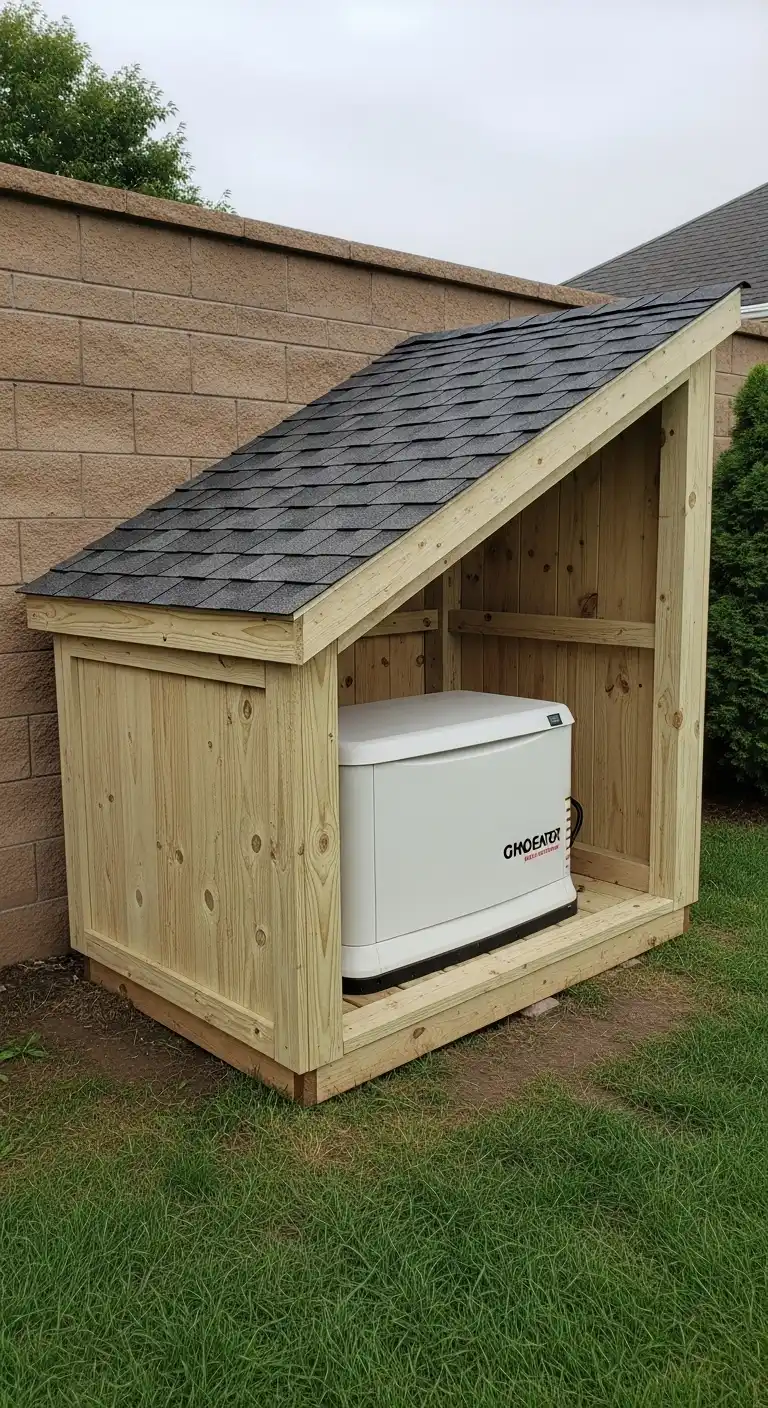
Lean-to designs rank among the most space-efficient Diy Generator Shed Ideas for compact properties.
By using an existing wall or fence, builders reduce material usage and construction complexity. The angled roof directs water away from the generator while maintaining easy access.
Proper spacing from the wall ensures ventilation remains effective during extended generator use. This idea benefits homeowners seeking quick builds without sacrificing safety considerations.
It blends convenience with thoughtful airflow planning naturally.
4. Ventilated Metal Panel Generator Shed for Durability
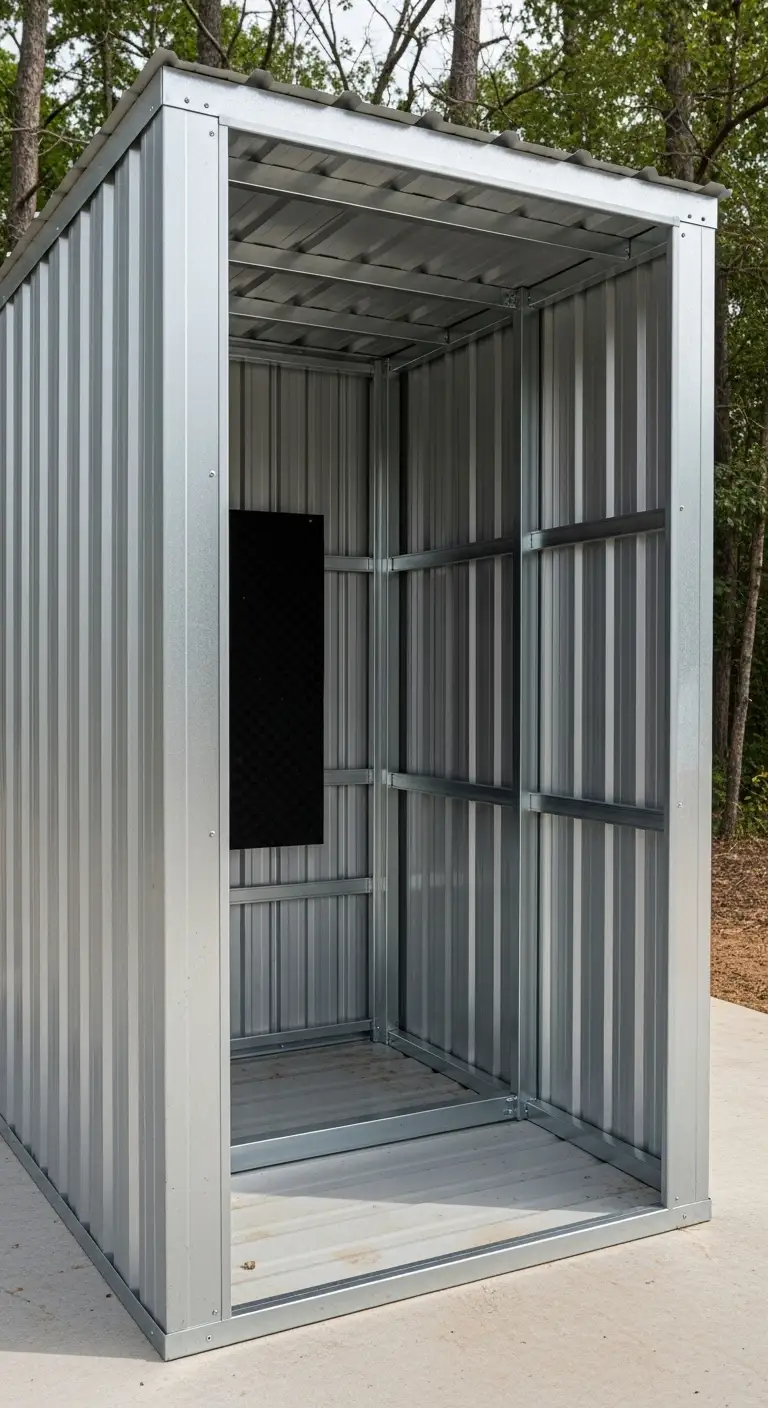
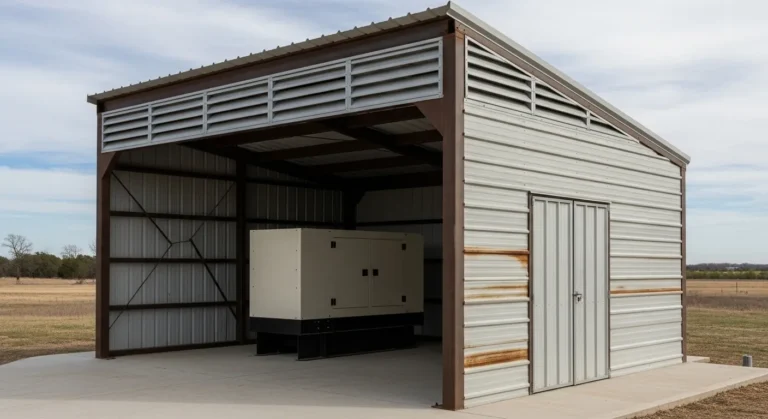
Metal panel construction enhances longevity within robust Diy Generator Shed Ideas. Metal resists moisture damage, pests, and warping better than untreated wood alternatives.
Ventilation gaps placed strategically allow heat to escape without exposing equipment to weather. This design performs well in regions experiencing frequent storms or high humidity levels.
Optional internal sound-dampening layers reduce operational noise without blocking airflow. Homeowners seeking low-maintenance solutions will appreciate this durable approach.
5. Concrete Block Generator Shed for Permanent Installations
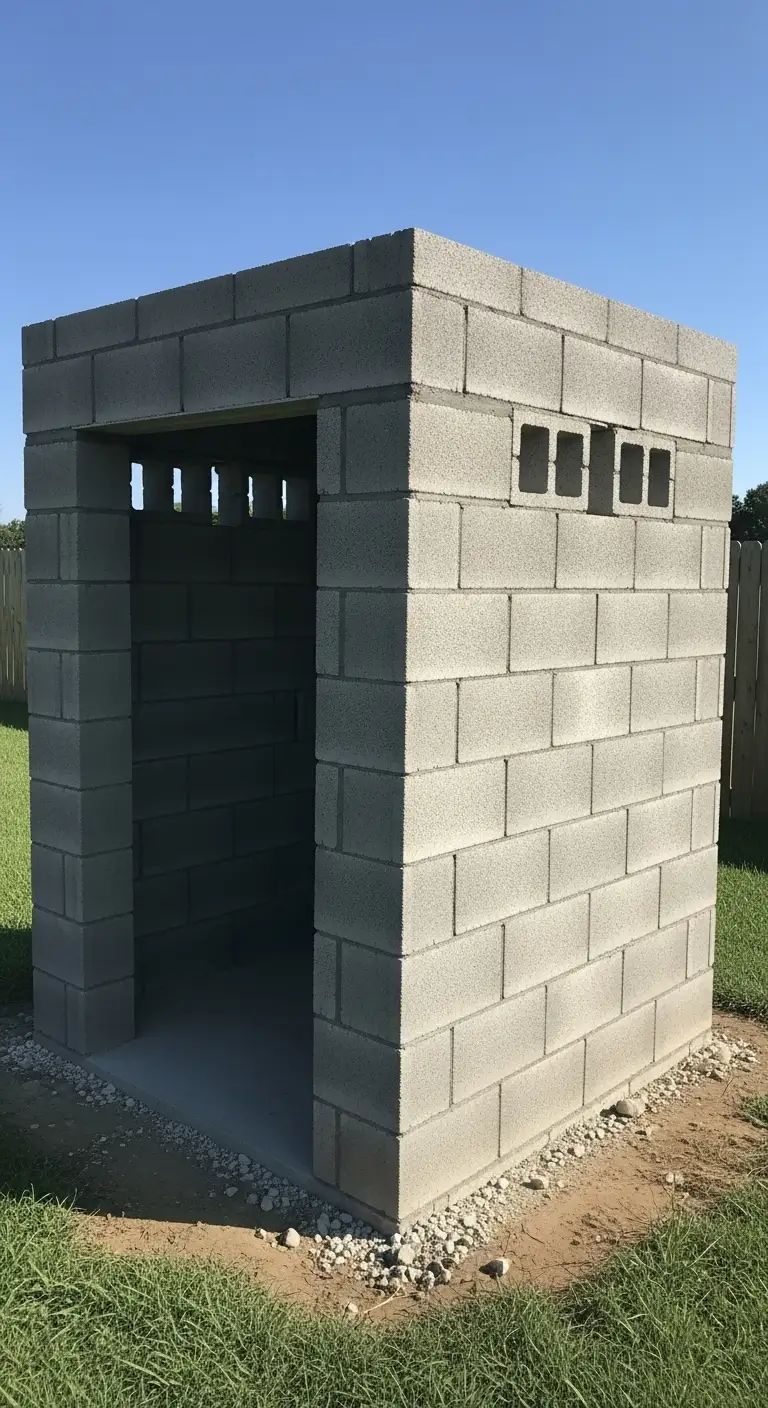
Concrete block structures represent heavy-duty Diy Generator Shed Ideas built for long-term stability.
Blocks provide excellent sound reduction while resisting strong winds and debris impacts. Proper vent openings must be planned carefully to prevent heat buildup.
This approach requires more labor but offers unmatched structural strength. It suits homeowners planning permanent generator setups with minimal relocation needs.
Durability and safety remain the primary advantages of this design choice.
6. Rolling Generator Shed with Lockable Casters
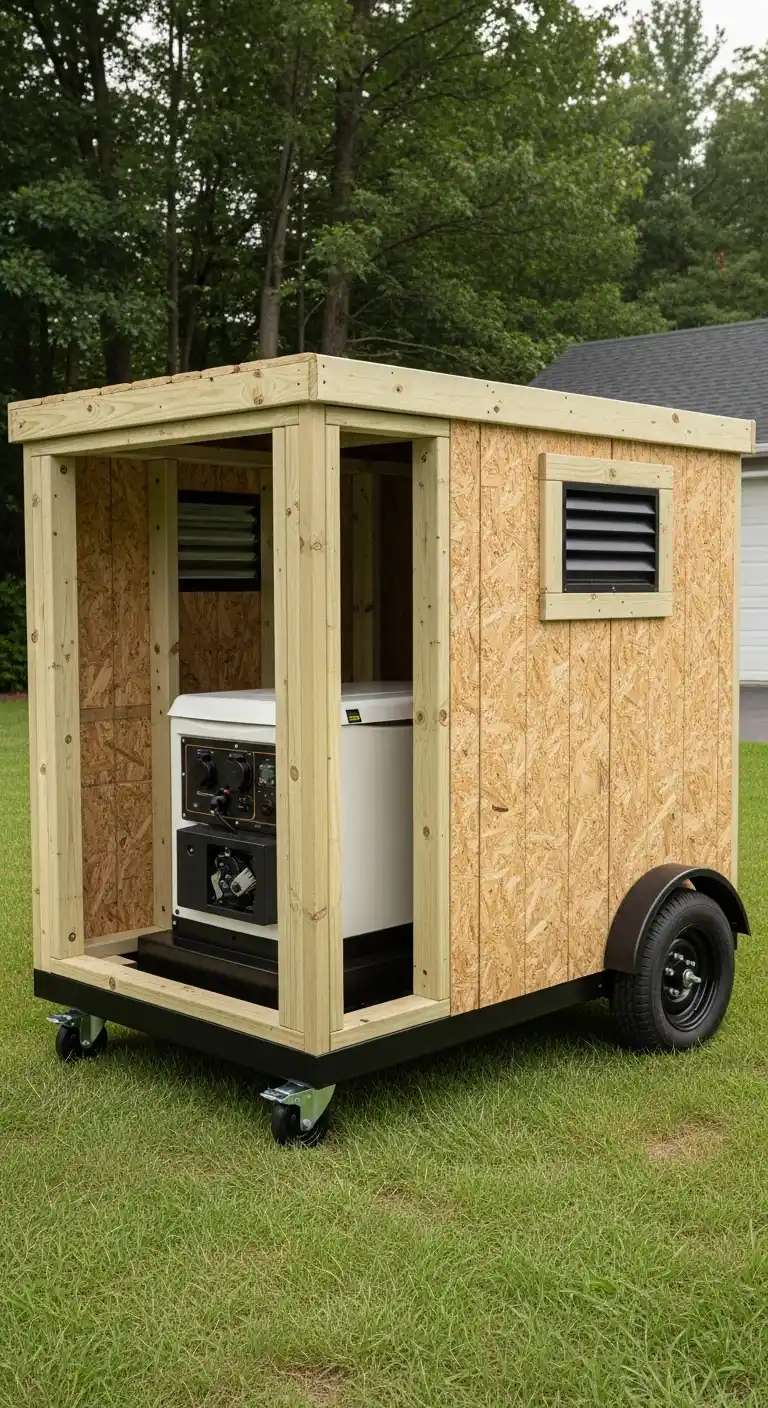
Mobility defines this practical Diy Generator Shed Idea, offering flexibility for homeowners who reposition generators occasionally.
A rolling base allows the shed to move easily for storage, cleaning, or seasonal adjustments. Lockable casters keep the shed stable during generator operation, reducing vibration concerns.
Lightweight framing materials make movement manageable without compromising structural integrity. Vent panels ensure airflow remains consistent regardless of shed placement.
This design suits users seeking adaptable solutions without committing to permanent outdoor structures.
7. Slatted Wood Generator Shed for Enhanced Airflow
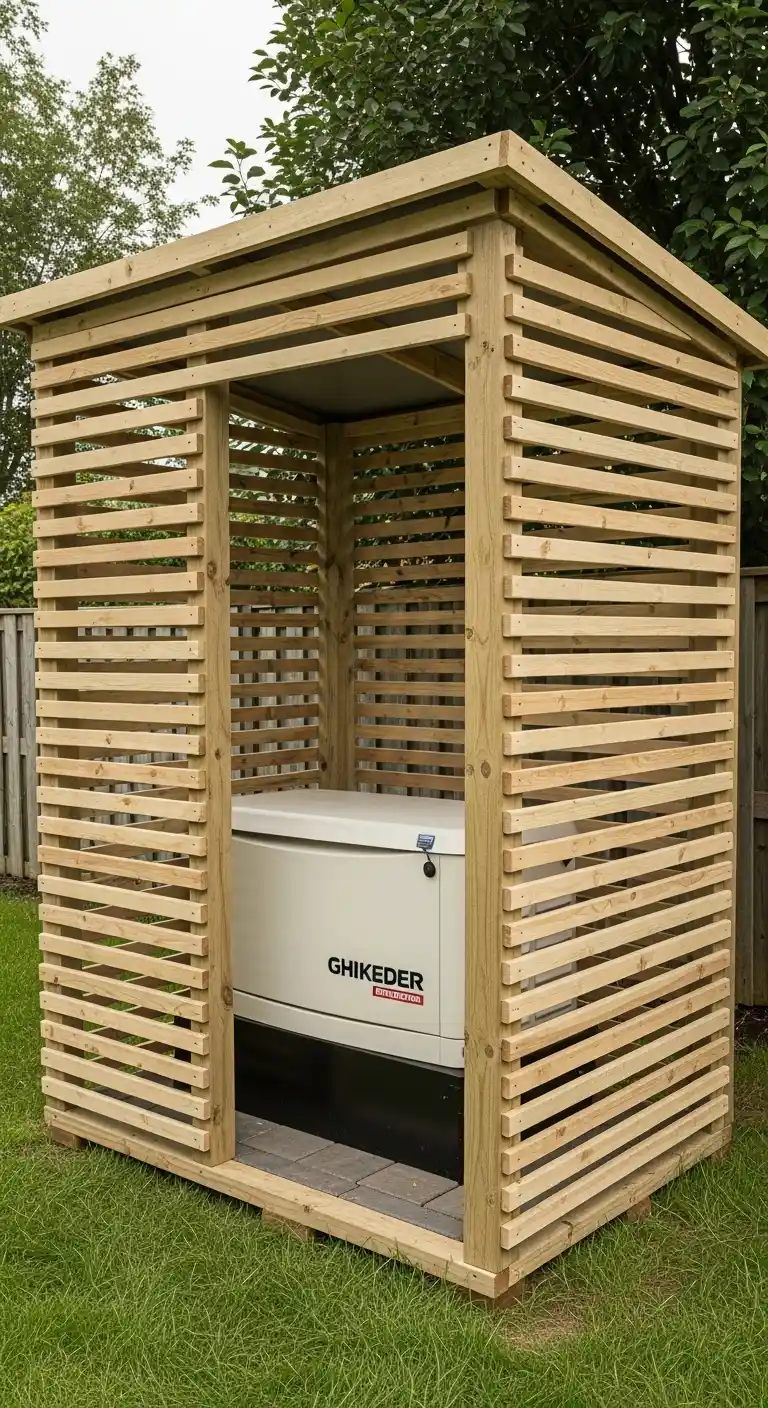
This Diy Generator Shed Idea prioritizes airflow through evenly spaced wooden slats. The design encourages continuous heat release while protecting the generator from direct exposure.
Slatted walls reduce overheating risks during extended use periods. Applying exterior sealants preserves wood durability without blocking airflow pathways.
This shed style offers a balanced blend of function and modern outdoor aesthetics. Homeowners valuing ventilation efficiency will appreciate this straightforward yet effective design.
8. Garden-Style Generator Shed That Blends with Landscaping
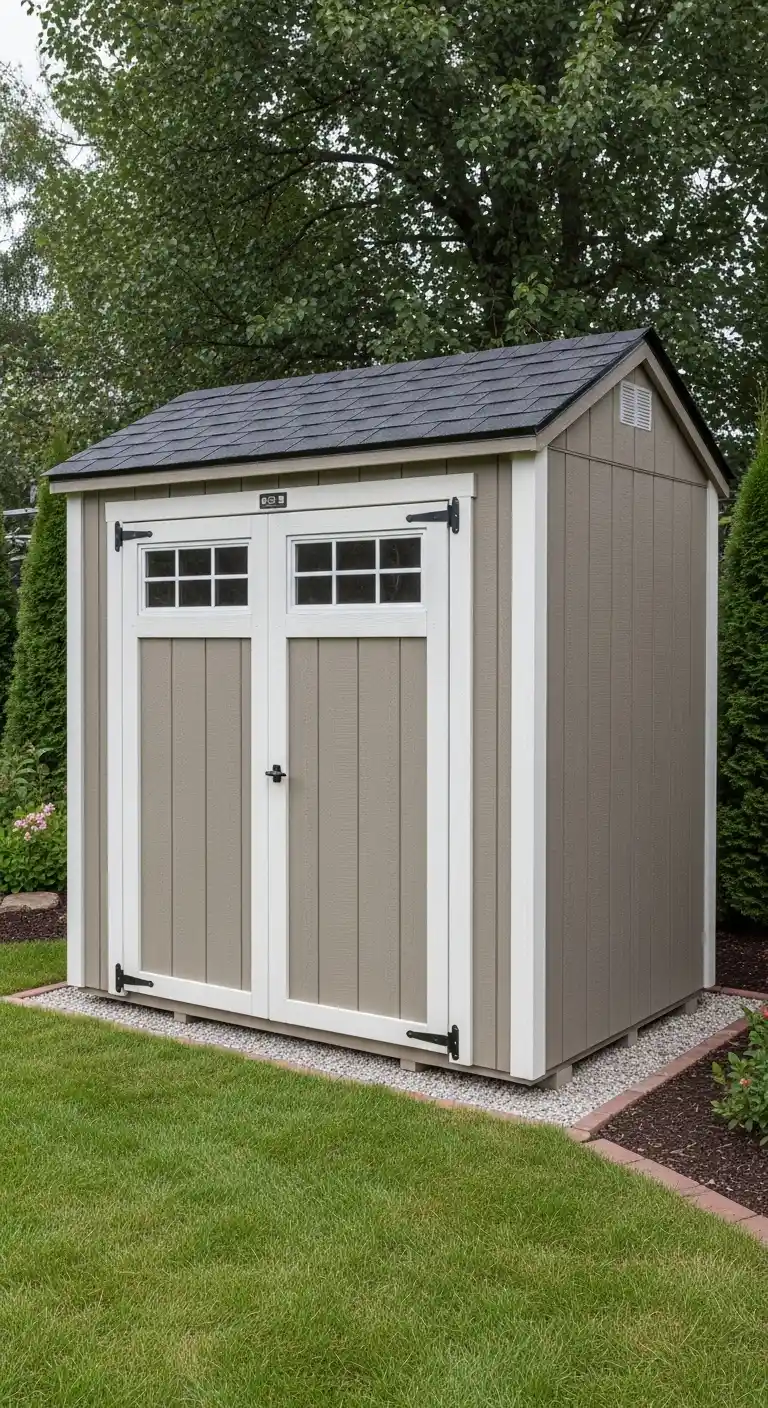
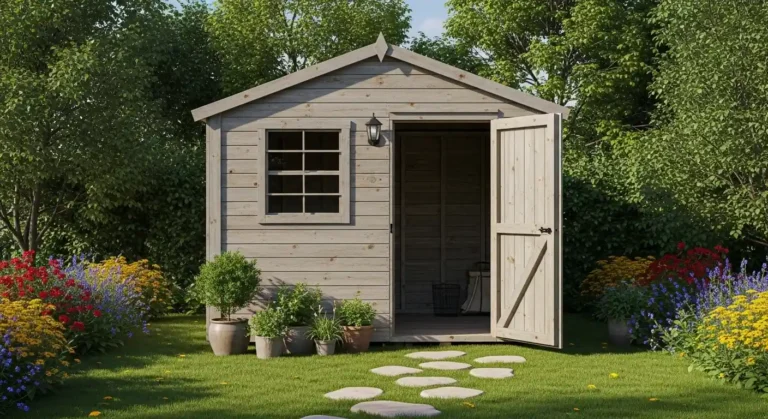
A garden-style enclosure introduces aesthetic appeal into functional Diy Generator Shed Ideas. Decorative siding and neutral finishes help the shed blend seamlessly into landscaped areas.
Despite its visual focus, ventilation remains a core structural priority. Hidden vent panels maintain airflow without disrupting the shed’s exterior appearance.
This approach prevents generator storage from appearing industrial or out of place. It appeals to homeowners who value visual harmony alongside dependable equipment protection.
9. Insulated Generator Shed for Reduced Noise Output
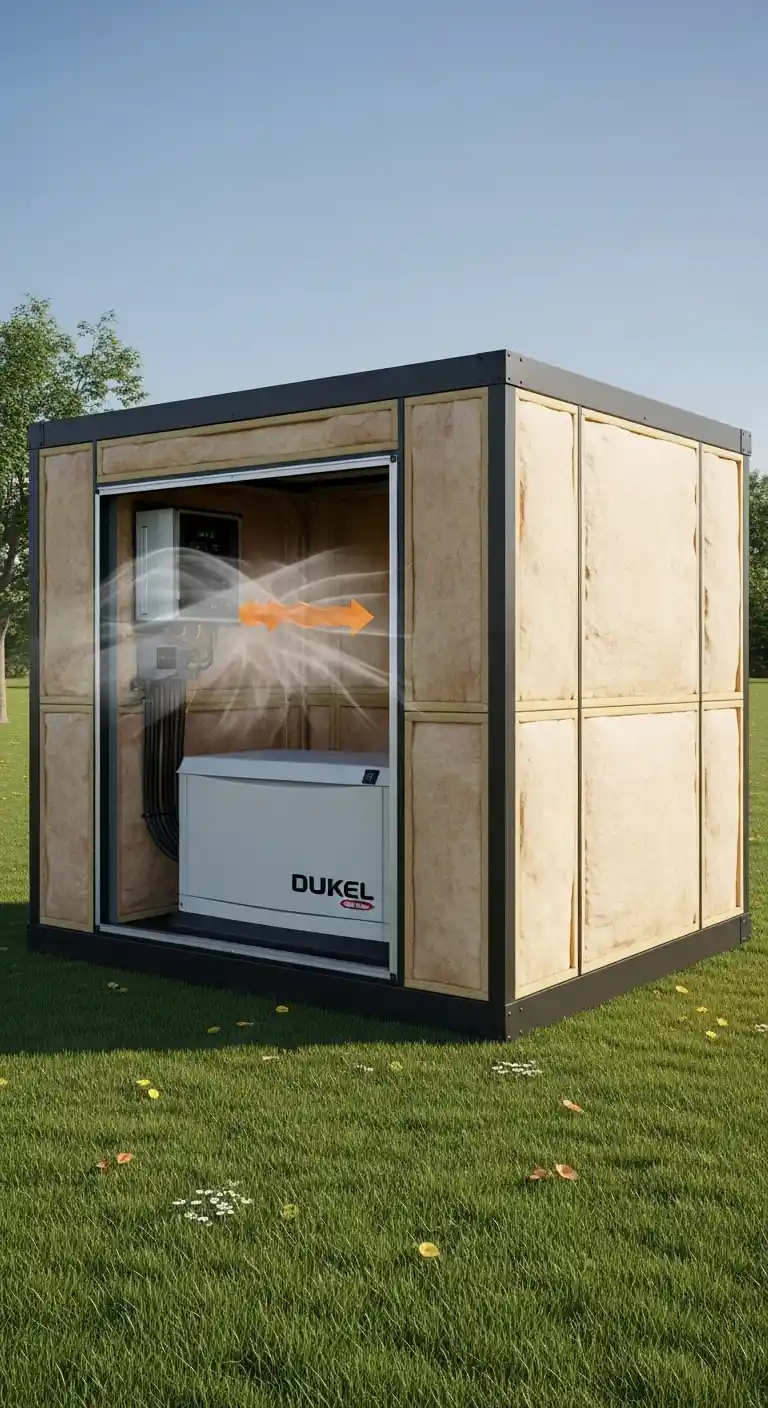
Noise reduction drives this comfort-focused Diy Generator Shed Idea. Insulated wall panels help limit sound travel without trapping excessive heat inside.
Ventilation channels allow hot air to escape while minimizing noise leakage. Careful insulation placement prevents airflow obstruction during operation.
This design benefits residential areas where sound management matters greatly. It supports frequent generator use while maintaining neighborhood comfort levels.
10. Minimalist Plywood Generator Shed for Fast Construction
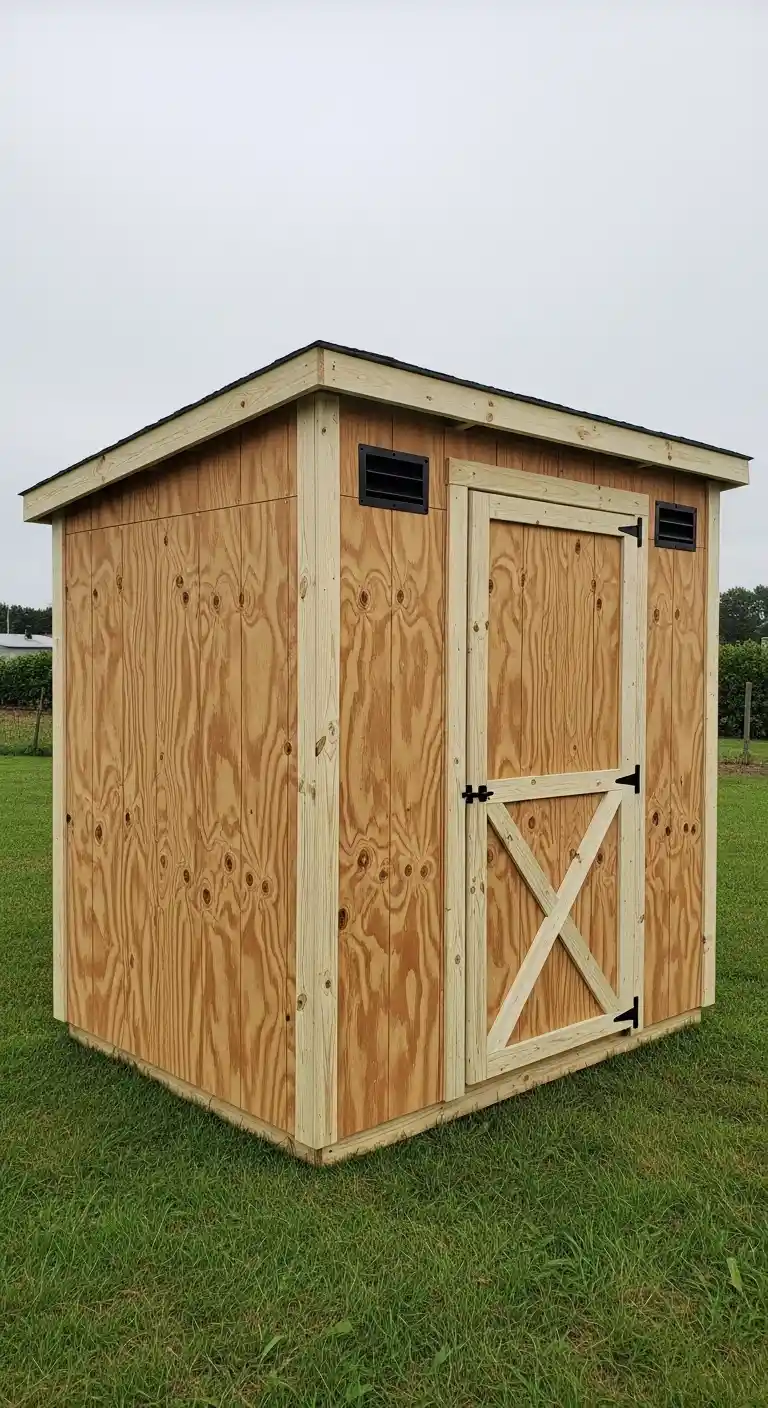
This Diy Generator Shed Idea emphasizes speed, simplicity, and functional efficiency for busy homeowners.
Plywood panels allow straightforward cuts and quick assembly without specialized tools. Weather-resistant coatings protect surfaces from moisture and sun exposure over time.
Vent openings placed near the roofline encourage heat release during operation. This design suits readers who prefer practical solutions over decorative complexity.
It delivers reliable protection while keeping construction time and costs manageable.
11. Raised Platform Generator Shed for Flood-Prone Areas
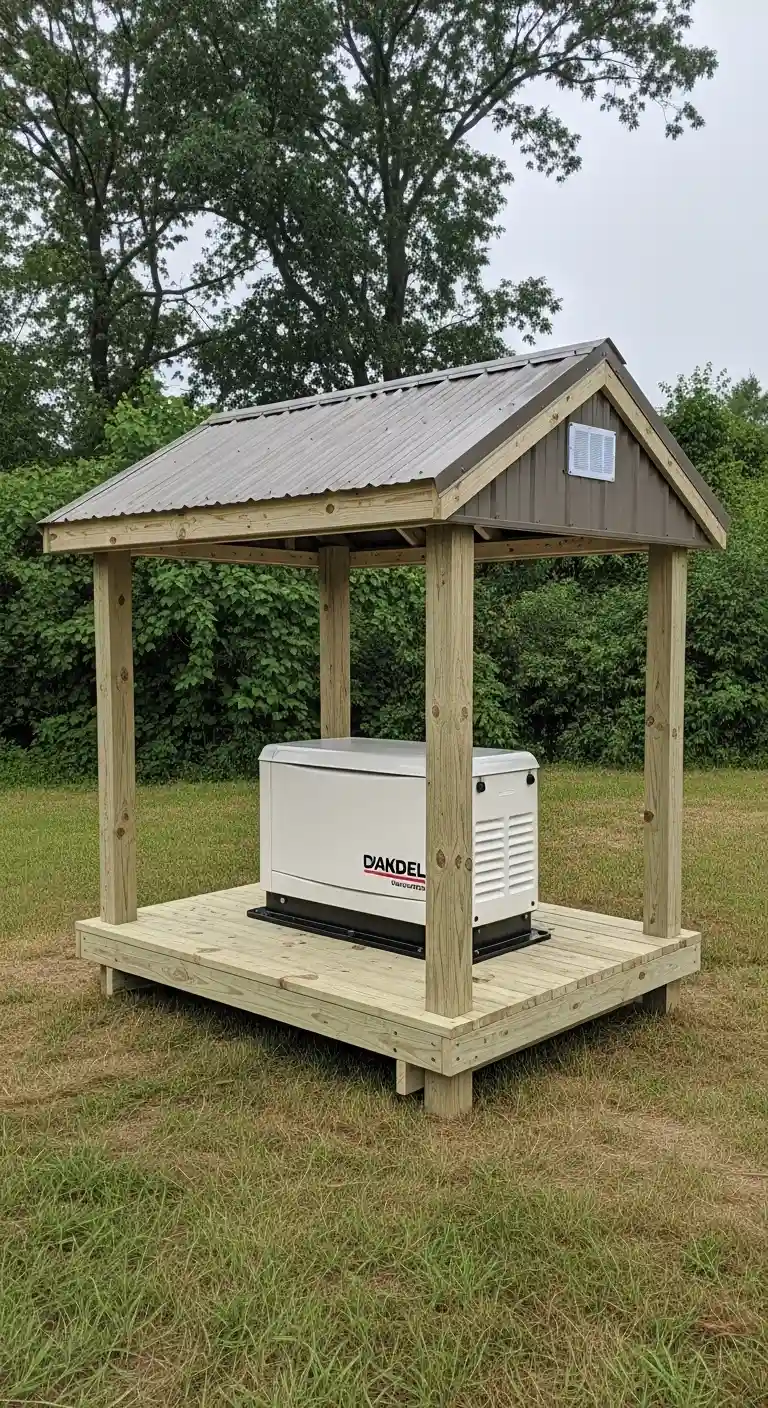
Elevation defines this protective Diy Generator Shed Idea, making it ideal for areas with drainage concerns.
A raised platform keeps generators safe from standing water during heavy rainfall. Sturdy framing ensures stability while maintaining easy access for maintenance tasks.
Ventilation remains essential despite the elevated base structure. This design reduces moisture-related damage risks significantly.
It supports preparedness where environmental conditions demand extra protection measures.
12. Modular Panel Generator Shed for Future Expansion
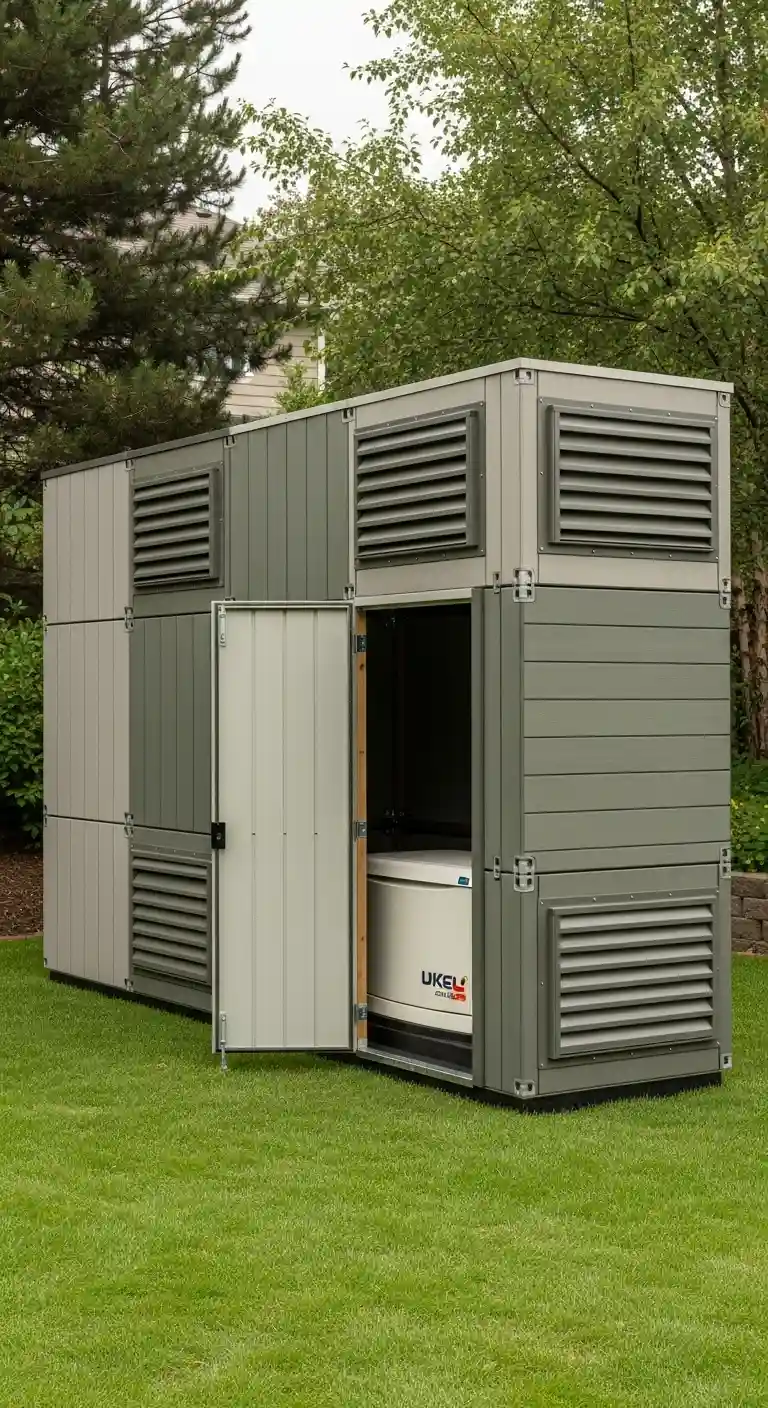
Modular construction offers flexibility within forward-thinking Diy Generator Shed Ideas. Panel sections allow homeowners to adjust shed size as generator needs change.
This approach avoids complete rebuilding when upgrading equipment. Integrated vent panels maintain airflow regardless of configuration changes.
Modular designs suit users planning long-term generator use. Adaptability remains the strongest advantage of this thoughtful solution.
13. Reclaimed Wood Generator Shed for Rustic Character
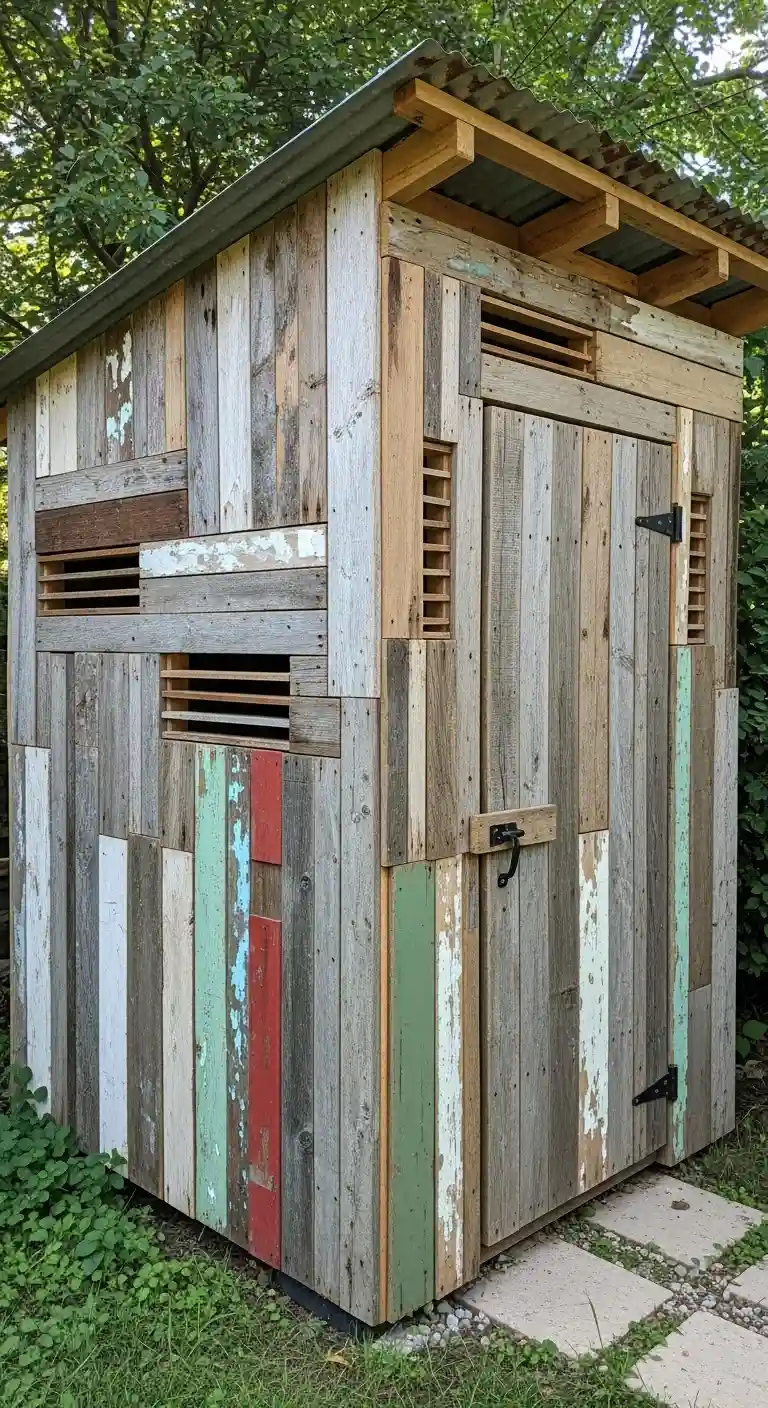
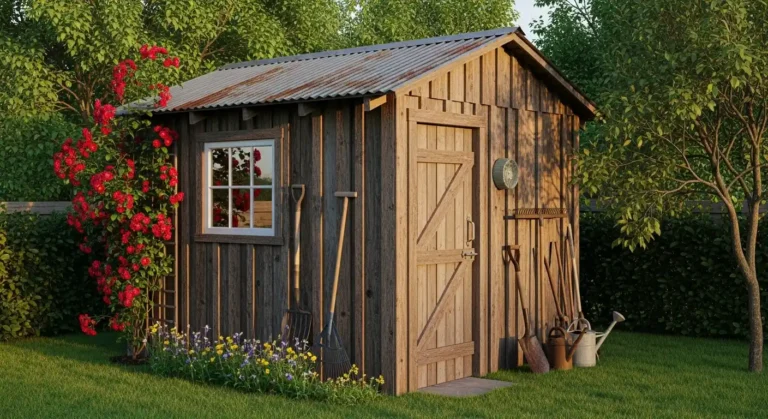
Reclaimed materials define this creative Diy Generator Shed Idea with strong visual personality. Using salvaged wood supports sustainability while reducing material costs.
Proper sealing protects aged wood from weather exposure and deterioration. Vent spacing preserves airflow while maintaining rustic charm.
This design appeals to homeowners valuing uniqueness and environmental responsibility. Function and character combine naturally in this approach.
Smarter Designs for Real-World Generator Use
Part two expands Diy Generator Shed Ideas beyond basic protection into functional enhancements. Mobility, airflow optimization, and noise control become central design priorities.
Each idea reinforces safety while improving everyday usability. The final section explores adaptability, elevation, and long-term maintenance strategies.
Balancing Comfort and Performance in Generator Shed Design
Comfort-oriented Diy Generator Shed Ideas should never compromise performance or safety standards.
Noise control, mobility, and airflow must work together rather than compete. This section highlights the importance of testing airflow and stability after construction.
Small adjustments often improve both comfort and operational efficiency. By focusing on balanced design, homeowners avoid common performance issues.
These concepts encourage thoughtful customization rather than overly complex builds.
Smart Maintenance Habits for Long-Lasting Generator Sheds
Regular maintenance preserves the effectiveness of all Diy Generator Shed Ideas discussed throughout this guide.
Inspecting vents, fasteners, and seals prevents gradual wear from weather exposure. Clearing debris ensures airflow remains unobstructed during generator operation.
Reapplying protective finishes extends material lifespan significantly. This section encourages proactive care rather than reactive repairs.
Consistent upkeep supports dependable performance during critical power needs.
Safety Checks That Support Reliable Generator Operation
Safety awareness strengthens every Diy Generator Shed Idea regardless of complexity or size. Clearances, ventilation paths, and stable foundations require periodic evaluation.
Testing airflow during operation confirms heat escapes efficiently. Small adjustments improve safety without requiring structural changes.
This guidance reinforces responsible generator ownership. Readers gain confidence in maintaining secure outdoor power setups.
Final Thoughts
Thoughtful planning transforms Diy Generator Shed Ideas into dependable long-term solutions. Each design presented balances protection, airflow, adaptability, and usability.
By aligning shed choices with environment and usage needs, homeowners achieve reliable outcomes. These ideas empower readers to build with confidence and purpose.
Strong preparation leads to safer, more organized outdoor spaces. Well-executed generator sheds support readiness when power matters most.