
Do Solar Panels Make a Noise?
If you’re considering solar power for your home, there’s a good chance this question has crossed your mind: Do solar panels make a noise?
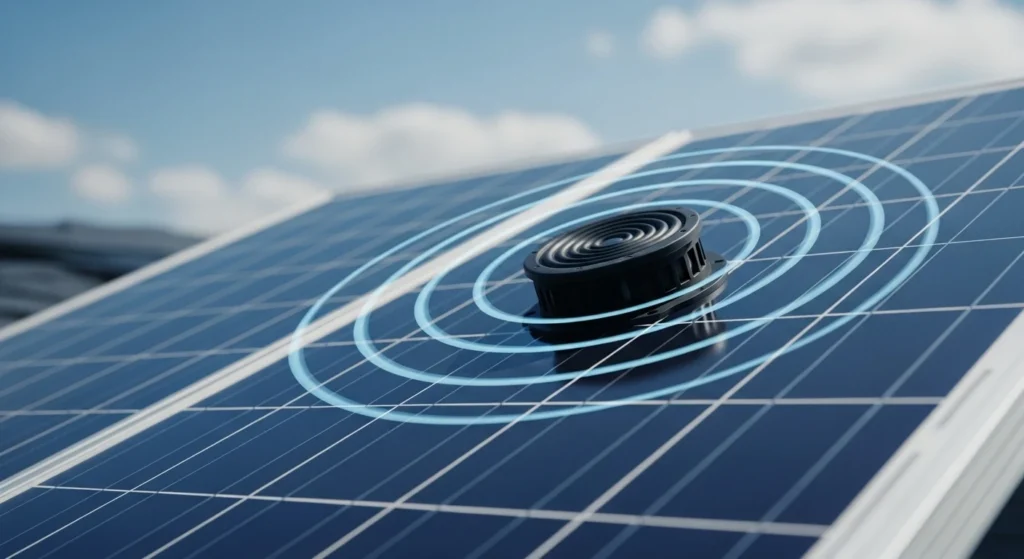
Maybe you value peace and quiet. Maybe your bedroom window faces the roof. Or maybe you’ve heard strange humming sounds from a neighbor’s solar setup and want to avoid surprises.
You’re not alone.
In this guide, I’ll walk you through exactly when solar panels are silent, when they can make noise, why it happens, and how to prevent or fix it. By the end, you’ll know what’s normal, what’s not, and how to make sure your solar system stays as quiet as it should be.
Contents
- What Is the Truth About: Do Solar Panels Make a Noise?
- Why Do Solar Panels Make a Noise? (And Why It Matters)
- When Solar Systems Can Make Noise (Real-World Scenarios)
- How to Deal With Solar Panel Noise (Step-by-Step)
- Common Mistakes to Avoid With Solar Panel Noise
- Tips to Get Better Results (From Real-World Experience)
- FAQs About Do Solar Panels Make a Noise?
- Final Thoughts: So, Do Solar Panels Make a Noise?
What Is the Truth About: Do Solar Panels Make a Noise?
Let’s start with the short, honest answer.
Solar panels themselves do not make noise.
They have no moving parts, no motors, and no fans. A standard solar panel sitting on your roof is completely silent.
However, a solar power system includes more than just panels. That’s where confusion often starts.
A typical system includes:
- Solar panels
- An inverter
- Mounting hardware
- Electrical wiring
While the panels are silent, other components—especially the inverter—can produce sound under certain conditions.
So when people ask, “Do solar panels make a noise?” what they’re usually hearing is not the panel, but something connected to it.
Why Do Solar Panels Make a Noise? (And Why It Matters)
Understanding why noise happens helps you decide whether it’s normal or something that needs attention.
1. Common Reasons People Hear Noise From Solar Systems
Here are the most common causes:
- Inverter humming or buzzing
- Electrical vibration under heavy load
- Wind interacting with mounting hardware
- Thermal expansion and contraction
- Loose brackets or wiring
Each of these sounds has a different meaning—and a different solution.
2. Why This Is Important for Homeowners
Noise issues matter more than most installers admit.
They can:
- Disrupt sleep or daily comfort
- Signal poor installation
- Indicate electrical stress or aging components
- Reduce confidence in your system
Knowing what’s normal helps you avoid unnecessary worry—and knowing what’s not normal helps you act early before small issues become expensive repairs.
When Solar Systems Can Make Noise (Real-World Scenarios)

Let’s break down the situations where people actually notice sound.
1. Inverter Noise (Most Common)
Inverters convert DC power from panels into AC power for your home.
Depending on the type:
- String inverters may hum or buzz during peak sunlight
- Microinverters are usually silent
- Hybrid inverters may make noise when charging batteries
The sound is typically:
- Low-frequency humming
- More noticeable at midday
- Louder under heavy electrical load
This is normal—up to a point.
2. Wind-Related Sounds
Strong wind can cause:
- Whistling around panel edges
- Rattling if mounts are loose
- Vibrations if panels aren’t properly secured
This is not a panel issue—it’s an installation quality issue.
3. Temperature Changes
Metal expands when hot and contracts when cool.
You might hear:
- Clicking or popping sounds
- Early morning or evening noises
These sounds are usually harmless, but excessive noise may suggest:
- Poor spacing
- Over-tightened mounts
How to Deal With Solar Panel Noise (Step-by-Step)
If you’re hearing something and wondering what to do, follow this practical process.
Step 1: Identify the Sound Source
Stand near:
- The inverter
- The electrical panel
- The roof or mounting area
Ask yourself:
- Is it a hum, rattle, buzz, or click?
- Does it happen only during sunlight?
- Does it stop at night?
Step 2: Check the Inverter Location
Best practices:
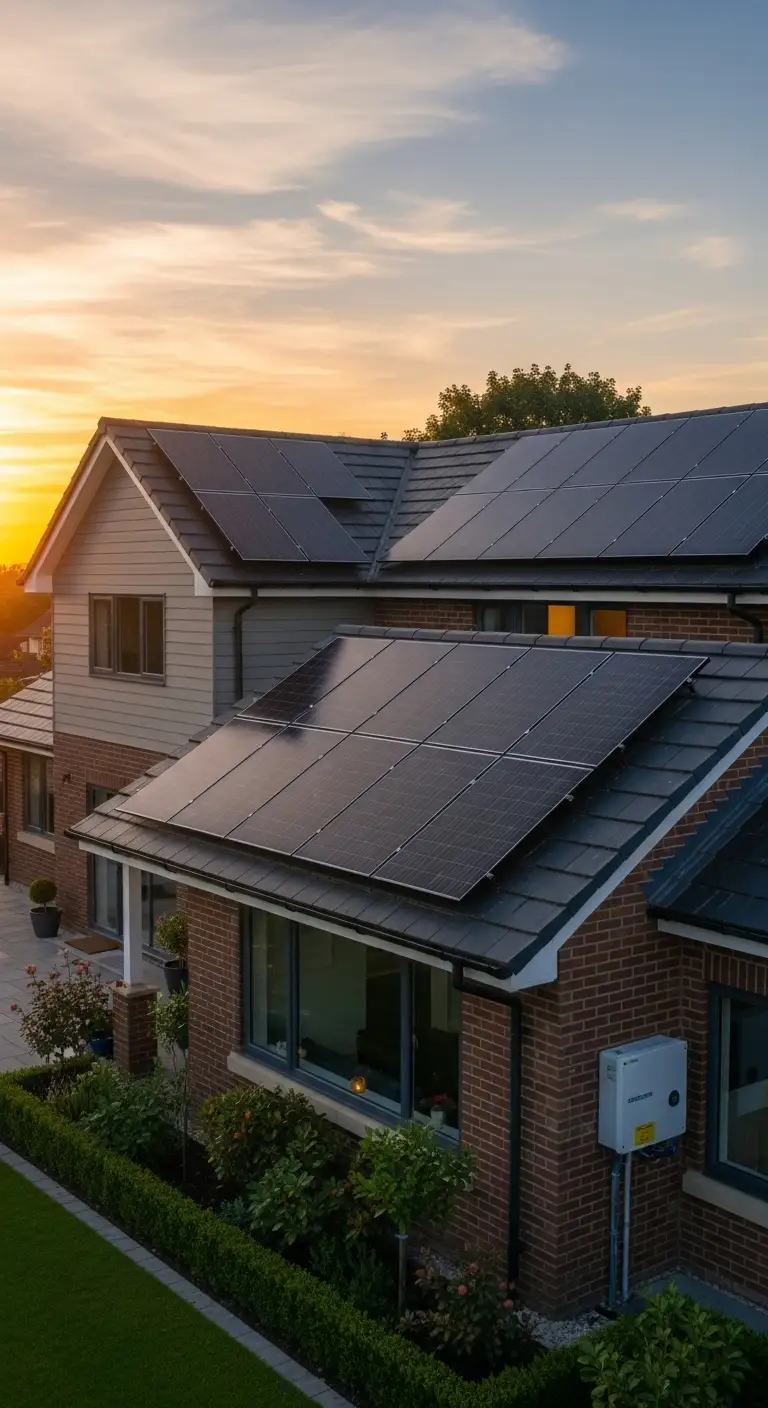
- Install inverters away from bedrooms
- Avoid thin walls that amplify vibration
- Use vibration-dampening mounts
If your inverter is on a shared wall with a living space, even a small hum can feel loud.
Step 3: Inspect Mounting Hardware
Look for:
- Loose bolts
- Gaps between panel and roof
- Bent rails
A professional installer should fix this quickly.
Step 4: Monitor Weather Patterns
If noise:
- Happens only on windy days → mounting issue
- Happens only in extreme heat → thermal expansion
- Happens only at peak solar hours → inverter load
Patterns tell you a lot.
Step 5: Call a Professional When Needed
Contact your installer if:
- Noise is loud or increasing
- You hear crackling or sharp buzzing
- The inverter shows error codes
Ignoring unusual sounds is never a good idea.
Common Mistakes to Avoid With Solar Panel Noise
Many homeowners accidentally make noise problems worse. Avoid these common errors.
1. Assuming All Noise Is “Normal”
A gentle hum is fine.
A loud buzz, rattle, or vibration is not.
If it disrupts daily life, it needs attention.
2. Poor Inverter Placement
Installing an inverter:
- Inside a bedroom
- On thin interior walls
- Near quiet living areas
3. Choosing Cheap Mounting Systems
Low-quality mounts:
- Vibrate more
- Loosen over time
- React poorly to wind
Always prioritize mounting quality.
4. Ignoring Early Warning Signs
Small sounds often grow louder as:
- Bolts loosen
- Components age
- Electrical loads increase
Early fixes are cheaper and easier.
Tips to Get Better Results (From Real-World Experience)
If silence matters to you, these tips make a real difference.
Choose the Right Inverter Type
- Microinverters: Virtually silent, higher cost
- String inverters: Affordable, mild hum
- Hybrid inverters: Can be noisy when charging batteries
Ask installers about decibel ratings, not just power output.
Insist on Proper Mounting Design
A good installer will:
- Use wind-rated rails
- Add vibration buffers
- Leave expansion gaps
This prevents long-term noise issues.
Schedule Annual Maintenance
During check-ups:
- Tighten mounts
- Inspect wiring
- Clean ventilation ports
Quiet systems stay quiet longer when maintained.
Consider Soundproofing for Inverters
Simple fixes include:
- Rubber isolation pads
- Ventilated inverter enclosures
- Relocating the inverter if needed
Small changes can dramatically reduce noise.
FAQs About Do Solar Panels Make a Noise?
Do solar panels make noise at night?
No. Solar panels are completely inactive at night. If you hear noise after dark, it’s not coming from the panels.
Why does my solar inverter hum during the day?
This happens when electricity flow is high. A soft hum is normal, but loud or sharp sounds are not.
Can solar panels make noise in the rain?
Rain itself can make noise on panels, just like on metal roofs. The panels are not generating sound electrically during rain.
Are noisy solar systems dangerous?
Not always—but sometimes. Buzzing, crackling, or burning smells should be checked immediately.
How quiet should a solar inverter be?
Most modern inverters operate between 20–40 decibels, similar to a quiet room or refrigerator.
Final Thoughts: So, Do Solar Panels Make a Noise?
Here’s the bottom line.
Solar panels themselves are silent.
Any noise you hear comes from supporting components or installation choices, not the panels.
With:
- Proper equipment
- Smart placement
- Quality installation
- Regular maintenance
Your solar system should fade into the background—quietly doing its job for decades.
If silence matters to you, plan for it from day one. A well-designed solar setup doesn’t just save energy—it keeps your home peaceful too.


