Modern Generator Enclosure Designs: 15 Ideas to Try
Looking for smart ways to protect your generator without sacrificing outdoor style? These generator enclosure designs ideas blend safety, ventilation, and visual appeal, helping you create a clean, well-organized setup that fits seamlessly into your yard or outdoor space.
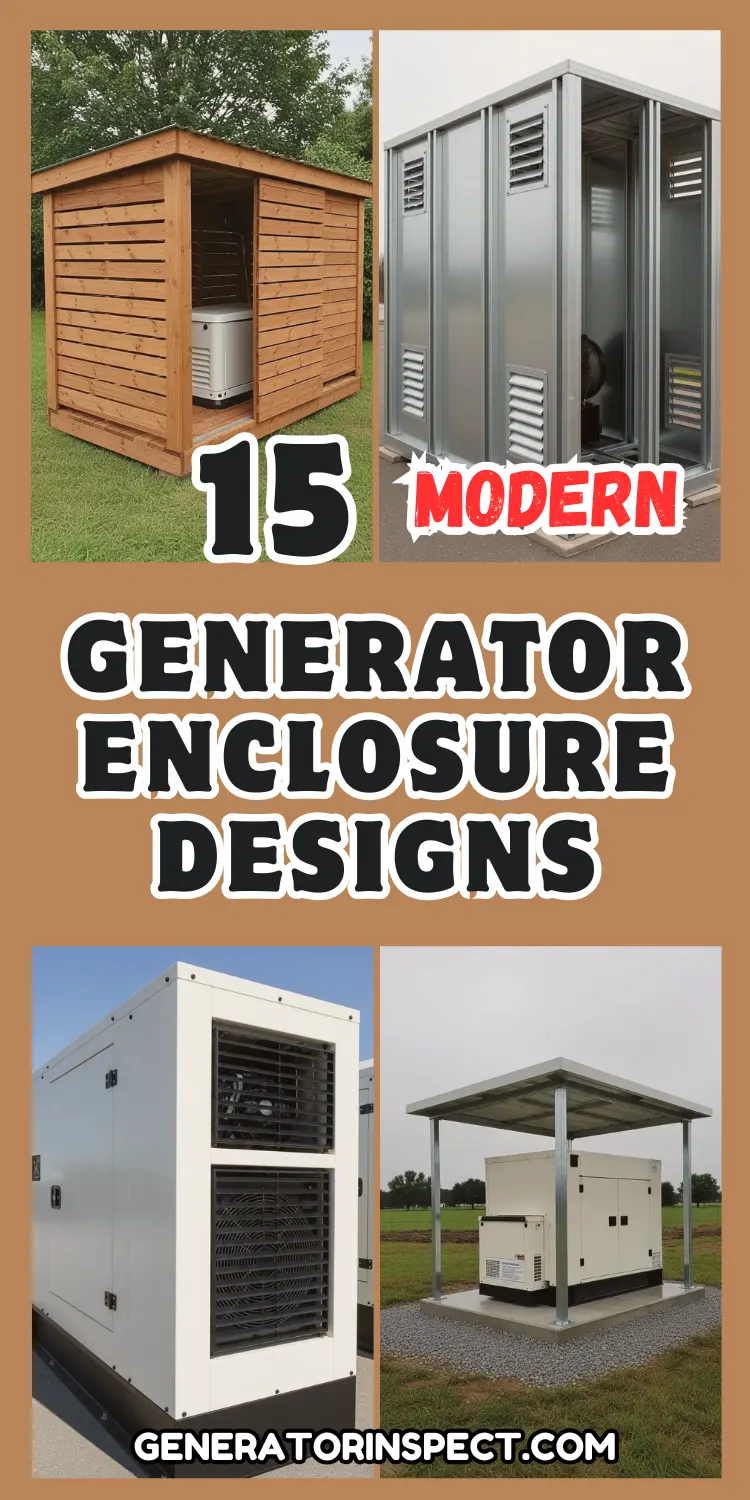
When we first brought a generator home, I thought the hard part was over. Power outages? Covered. Peace of mind? Absolutely. But then reality hit. The generator sat awkwardly in the yard, exposed to rain, dust, and curious eyes.
It worked, yes, but it looked out of place and honestly, a little unsafe. That’s when I realized the importance of thoughtful generator enclosure design.
At first, I assumed an enclosure was just a box to hide the machine. But after researching, planning, and learning from a few mistakes, I understood it’s much more than that.
A well-designed enclosure protects the generator from weather, reduces noise, improves airflow, and blends it naturally into your outdoor space. Just like a good kitchen layout, function and design need to work together.
I also learned that poor ventilation, cheap materials, or rushed decisions can cause overheating and shorten the generator’s life. That was a wake-up call. Taking time to plan the right enclosure made everything easier, safer, and more visually pleasing.
In this guide, I’ll walk you through smart, practical generator enclosure design ideas that balance safety, durability, and style.
Contents
- Building Smarter Generator Enclosure Design Solutions
- How Generator Enclosure Design Impacts Performance and Longevity
- Planning for Airflow, Safety, and Accessibility from the Start
- 15 Generator Enclosure Design Ideas
- Maintaining Generator Enclosure Design for Long-Term Performance
- Choosing the Right Generator Enclosure Design for Your Setup
- Final Wrap-Up
Building Smarter Generator Enclosure Design Solutions
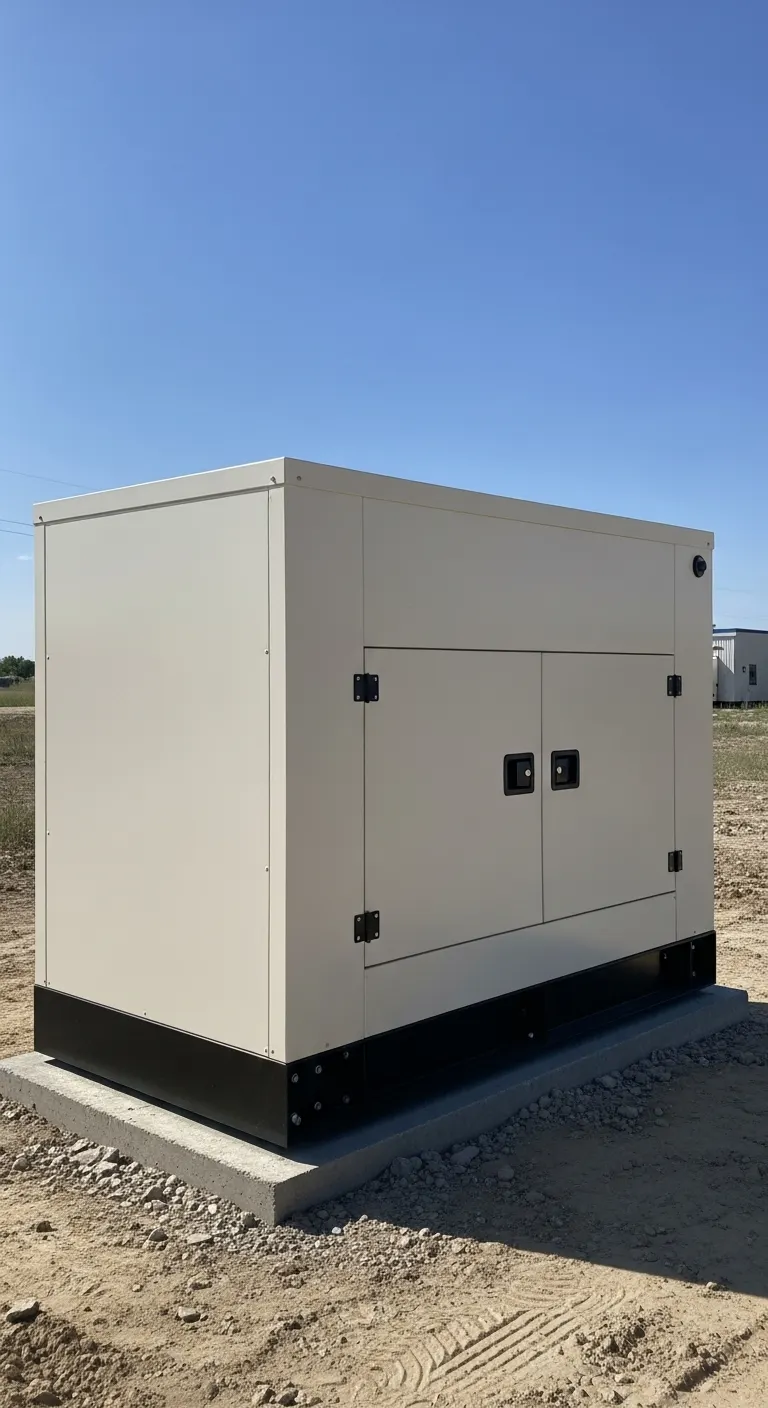
Reliable backup power has become a necessity for homeowners and small facilities seeking stability during outages and demanding usage conditions.
A thoughtfully planned Generator Enclosure Design protects equipment, improves safety, manages noise, and extends generator lifespan through controlled environmental exposure.
Modern enclosure approaches now combine durability, airflow efficiency, and visual balance, making them suitable for residential, commercial, and remote outdoor environments.
This guide targets readers who want practical, scalable, and well-structured enclosure solutions that align with performance needs and long-term planning goals.
Related concepts such as outdoor generator housing, sound-reducing enclosures, and weatherproof generator shelters appear naturally throughout this article for broader clarity.
How Generator Enclosure Design Impacts Performance and Longevity
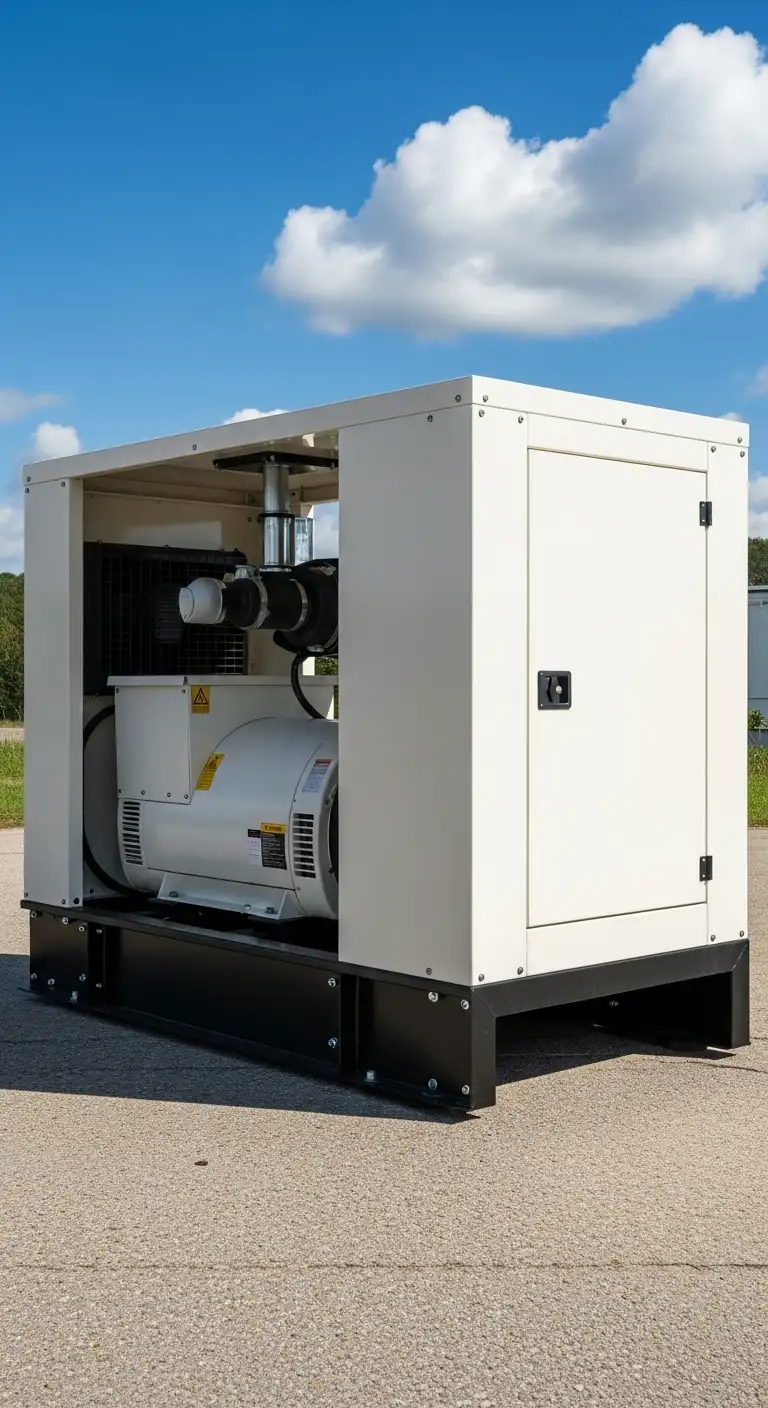
A well-executed Generator Enclosure Design directly influences how efficiently a generator operates under varying environmental and load conditions.
Proper ventilation prevents heat buildup, while structural stability reduces vibration-related wear on internal components over extended usage periods.
Enclosures also shield generators from dust, moisture, and debris, which commonly cause premature mechanical failures and electrical inefficiencies.
By understanding this relationship, readers can evaluate enclosure ideas based on performance benefits rather than appearance alone.
This foundation ensures each design choice supports reliable power delivery and minimizes long-term maintenance demands.
Planning for Airflow, Safety, and Accessibility from the Start
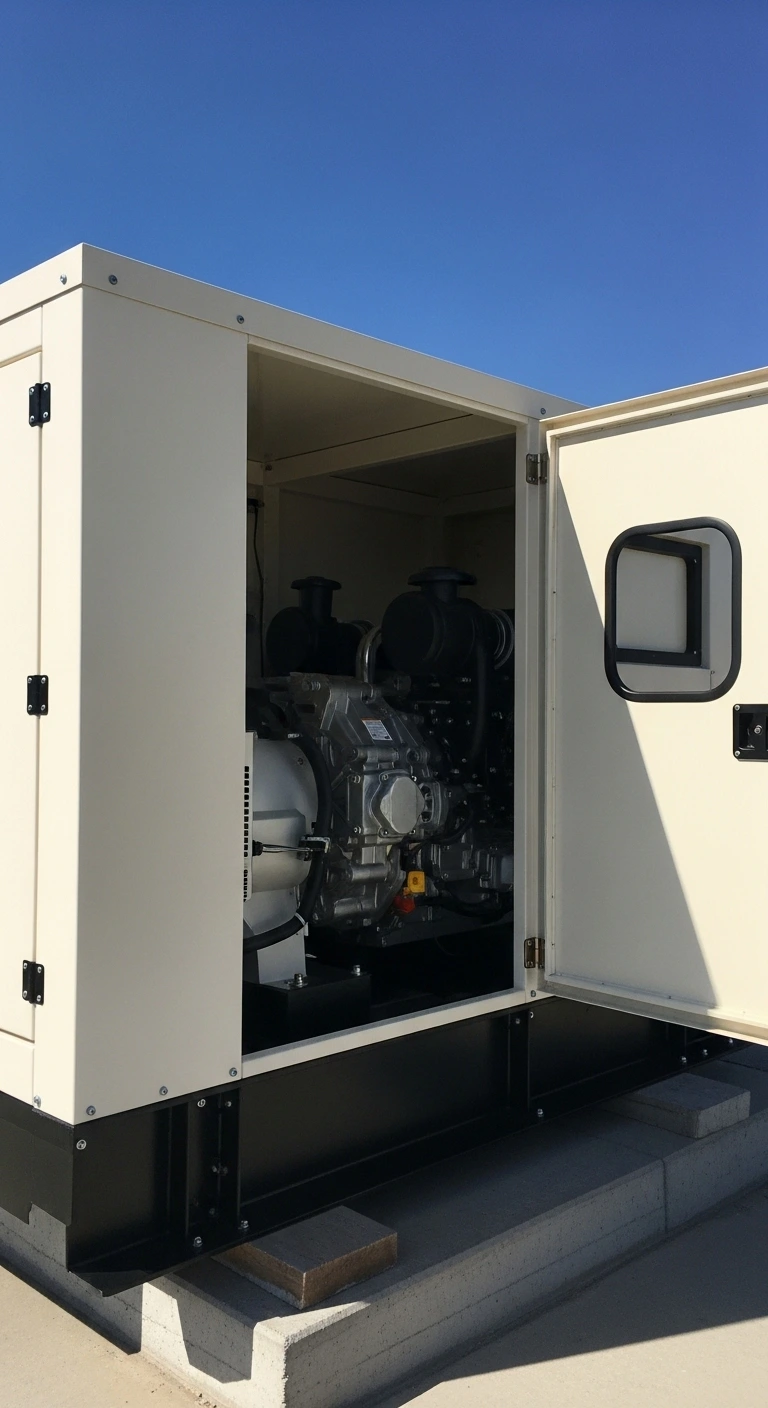
Successful Generator Enclosure Design begins with deliberate planning focused on airflow paths, safe clearances, and routine service access.
Generators require consistent oxygen intake and heat exhaust routes to maintain optimal combustion and cooling efficiency.
Designs that restrict access often complicate inspections, oil changes, and repairs, increasing downtime and operational frustration.
Thoughtful planning integrates removable panels, hinged doors, and clearly defined vent placements.
This section prepares readers to assess enclosure ideas with practical usability in mind rather than purely aesthetic considerations.
15 Generator Enclosure Design Ideas
1. Ventilated Wooden Generator Enclosure Design for Natural Environments
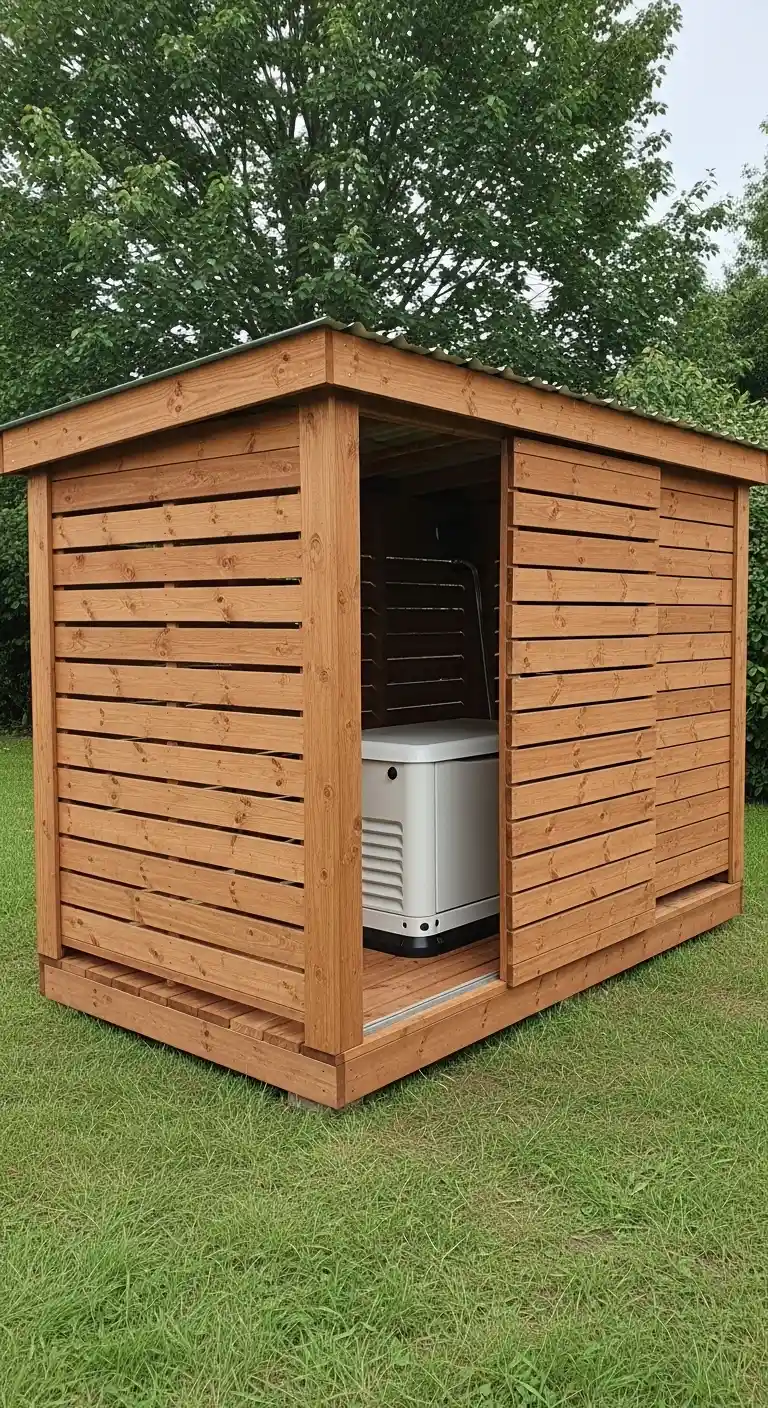
A ventilated wooden Generator Enclosure Design offers a warm, natural appearance while delivering dependable protection against weather exposure.
Exterior-grade wood panels combined with spaced slats promote airflow, helping regulate internal temperatures during extended generator operation.
This design suits residential landscapes where visual harmony matters as much as functional performance.
Raised flooring minimizes ground moisture contact, reducing the risk of corrosion and electrical complications over time.
Removable panels simplify maintenance access while preserving the enclosure’s structural integrity and consistent airflow balance.
2. Metal Panel Generator Enclosure Design for Long-Term Durability
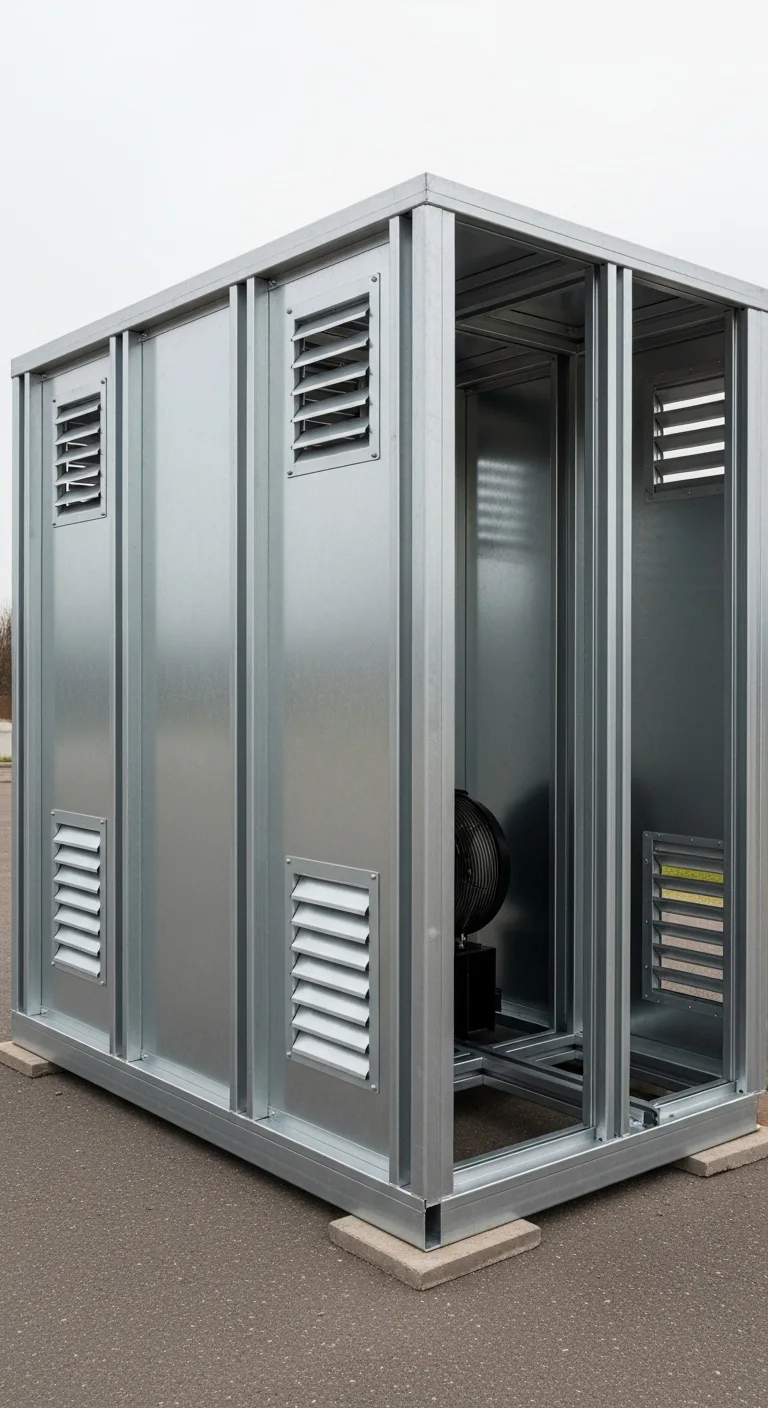
Metal panel structures provide a rugged Generator Enclosure Design solution suited for demanding environments and frequent generator usage.
Galvanized steel or aluminum resists corrosion while maintaining structural strength across seasonal weather changes.
Integrated ventilation grilles support cooling without weakening enclosure rigidity or safety features.
This design appeals to users prioritizing security, durability, and minimal long-term maintenance requirements.
Internal sound-absorbing layers can further enhance comfort without compromising airflow efficiency or operational reliability.
3. Sound-Reducing Generator Enclosure Design for Noise-Sensitive Areas
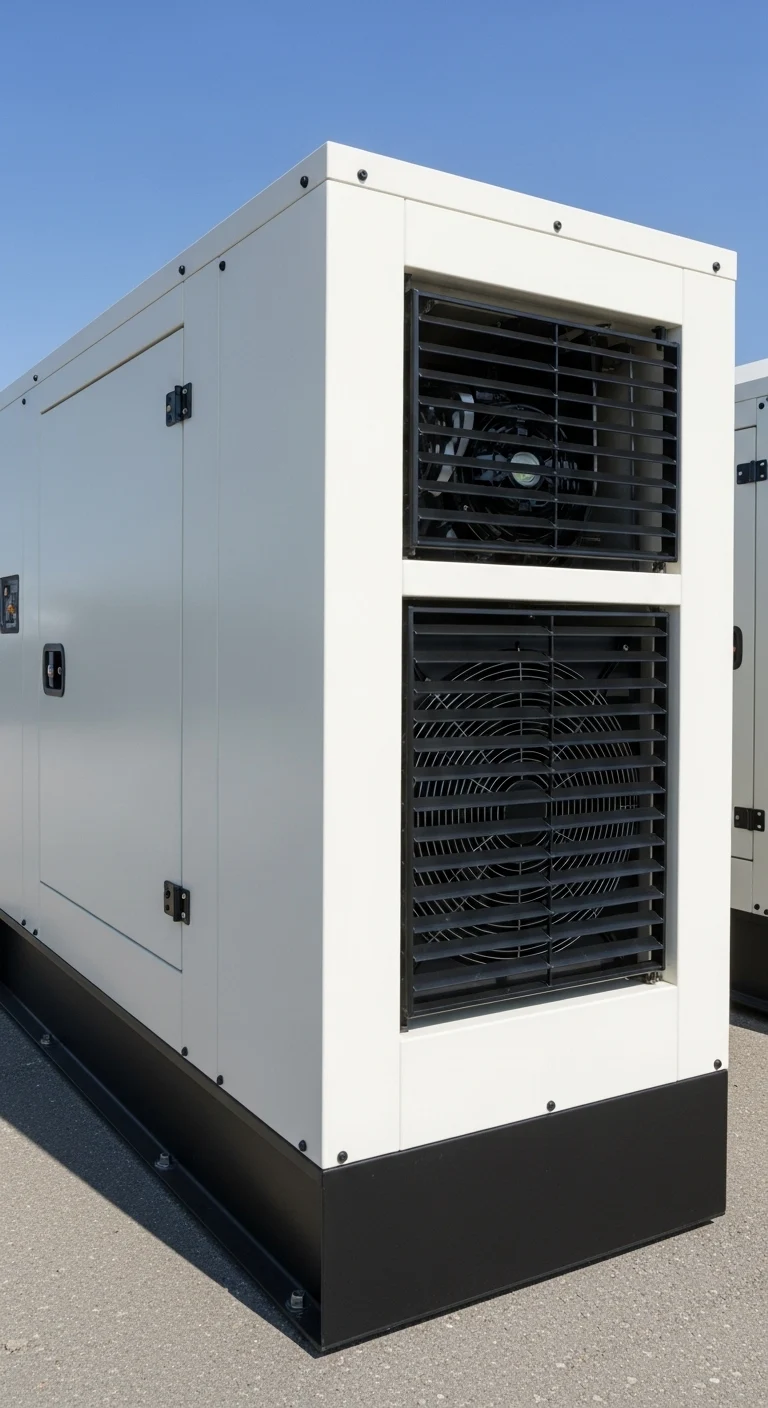
Noise-focused Generator Enclosure Design solutions aim to reduce sound output while maintaining safe operational conditions.
Acoustic insulation panels absorb vibrations and engine noise, making generators more suitable for residential or shared environments.
Strategically placed vents ensure cooling performance remains consistent despite added sound-dampening materials.
This approach supports compliance with local noise expectations while enhancing everyday comfort.
It demonstrates how Generator Enclosure Design can balance acoustic control with essential performance requirements.
4. Weatherproof Generator Enclosure Design for Year-Round Reliability
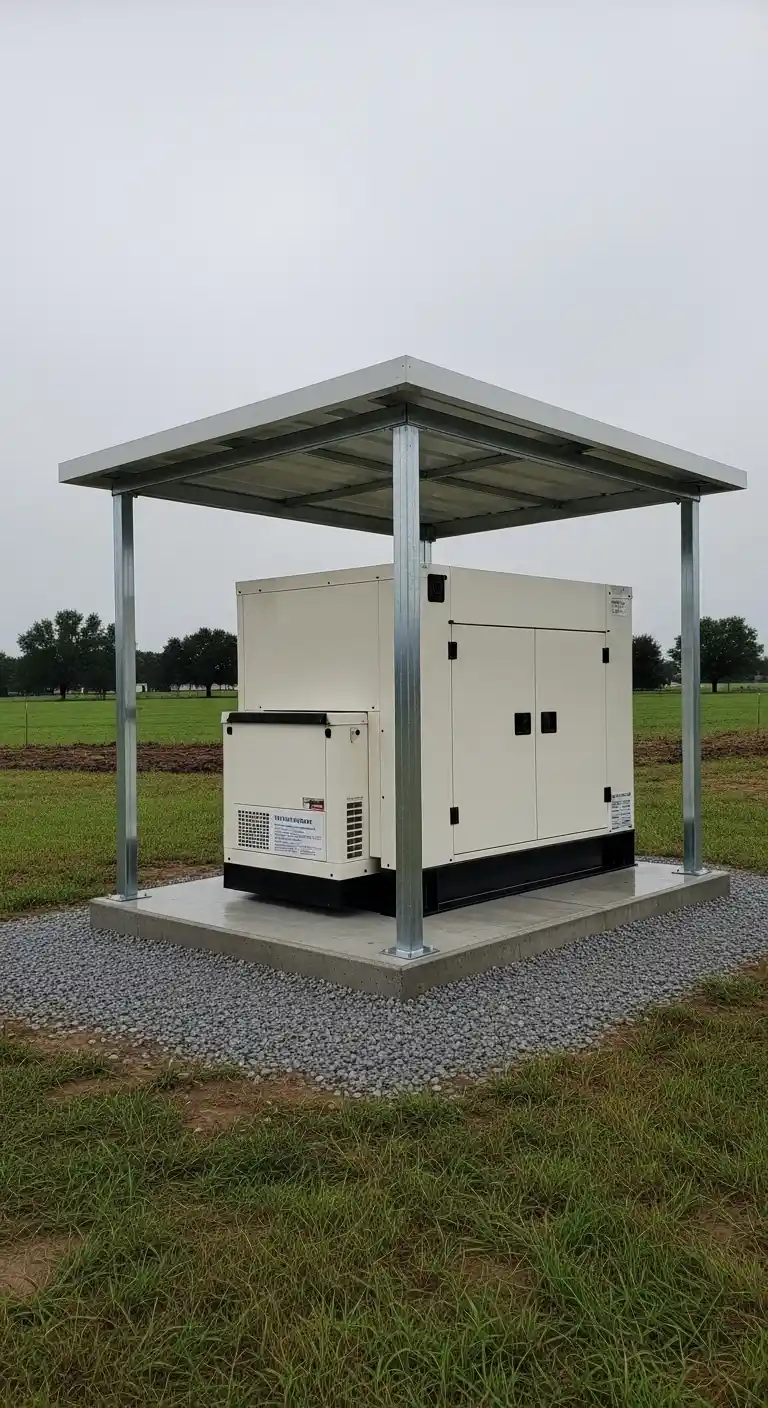
A weatherproof Generator Enclosure Design protects equipment from rain, wind, debris, and temperature fluctuations throughout the year.
Sealed joints, sloped roofs, and water-resistant coatings prevent moisture intrusion and structural deterioration.
This design ensures generators remain ready during storms or unexpected power interruptions.
Elevated bases and drainage considerations further reduce exposure to standing water or saturated ground conditions.
Weather-focused enclosures highlight preparedness as a core Generator Enclosure Design objective.
5. Compact Generator Enclosure Design for Limited Outdoor Spaces
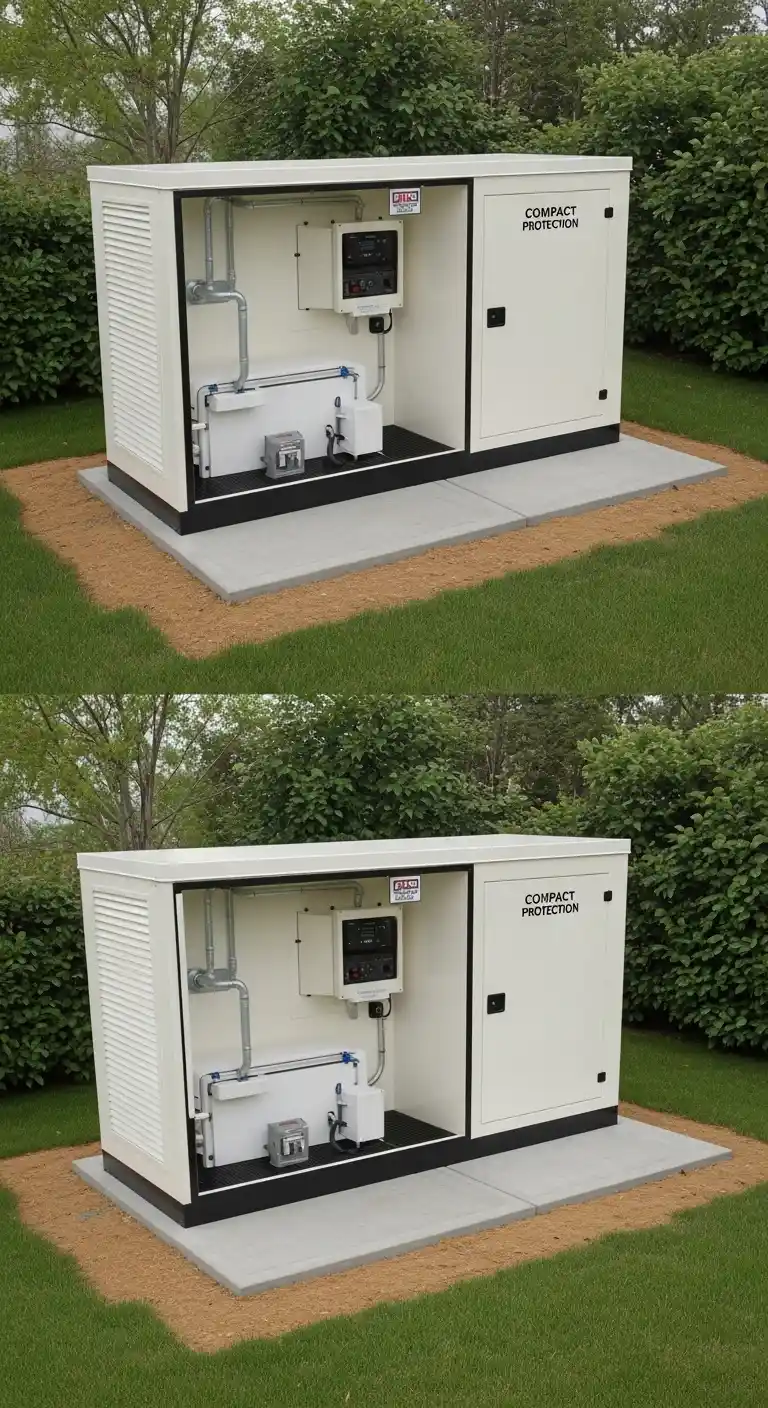
Compact Generator Enclosure Design options address space constraints without sacrificing essential protection and airflow requirements.
Slim profiles and efficient layouts allow installation in small yards, side spaces, or utility corners. Despite reduced size, proper vent placement and service access remain non-negotiable design priorities.
This approach proves that effective generator protection does not require large footprints or complex construction.
Compact enclosures reinforce smart planning as a key principle within Generator Enclosure Design.
6. Portable Generator Enclosure Design for Flexible Power Needs
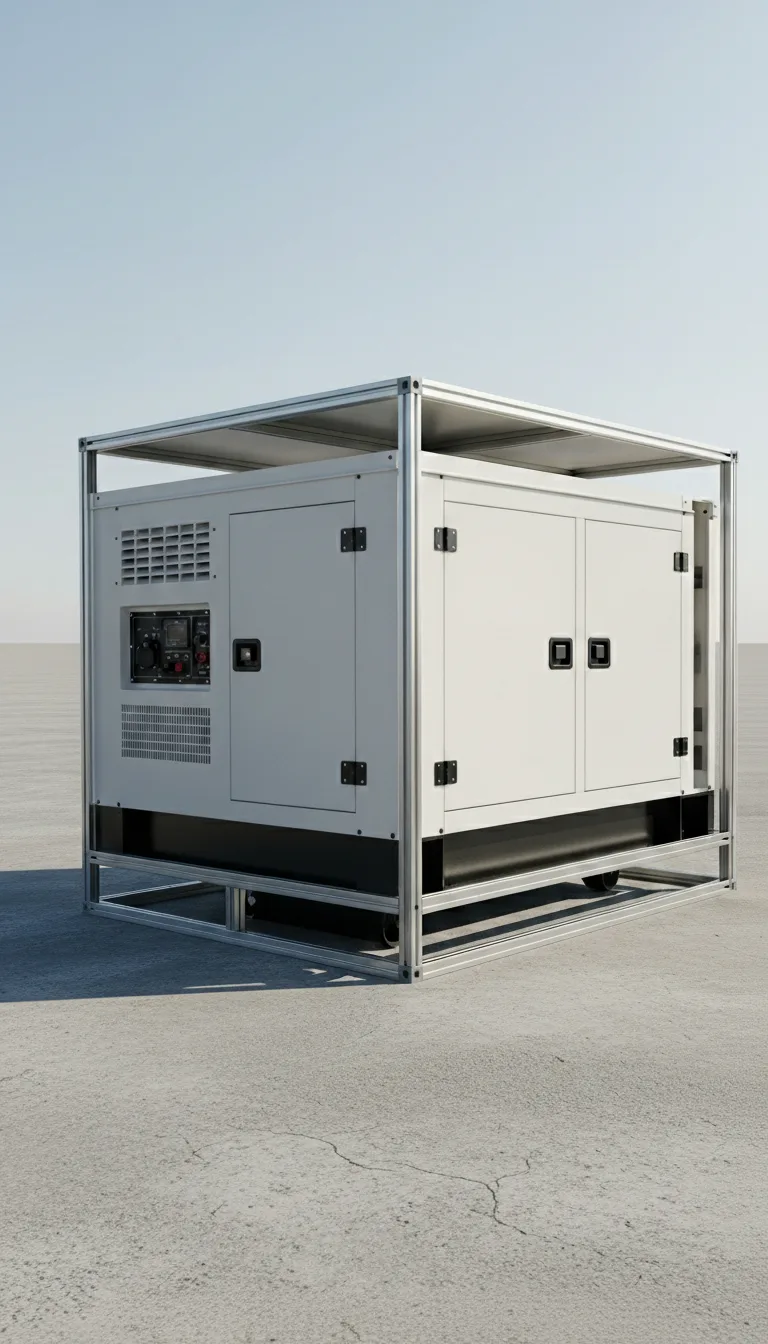
A portable Generator Enclosure Design supports users who require mobility without sacrificing equipment protection or safety considerations.
Lightweight frames paired with weather-resistant panels allow the enclosure to move alongside the generator when power demands shift locations.
This design benefits temporary installations, outdoor projects, and backup solutions requiring rapid deployment.
Despite portability, proper ventilation remains essential to prevent overheating during continuous operation.
Quick-assembly components and secure fastening systems ensure stability while allowing efficient transport and storage between uses.
7. Shed-Style Generator Enclosure Design with Integrated Storage
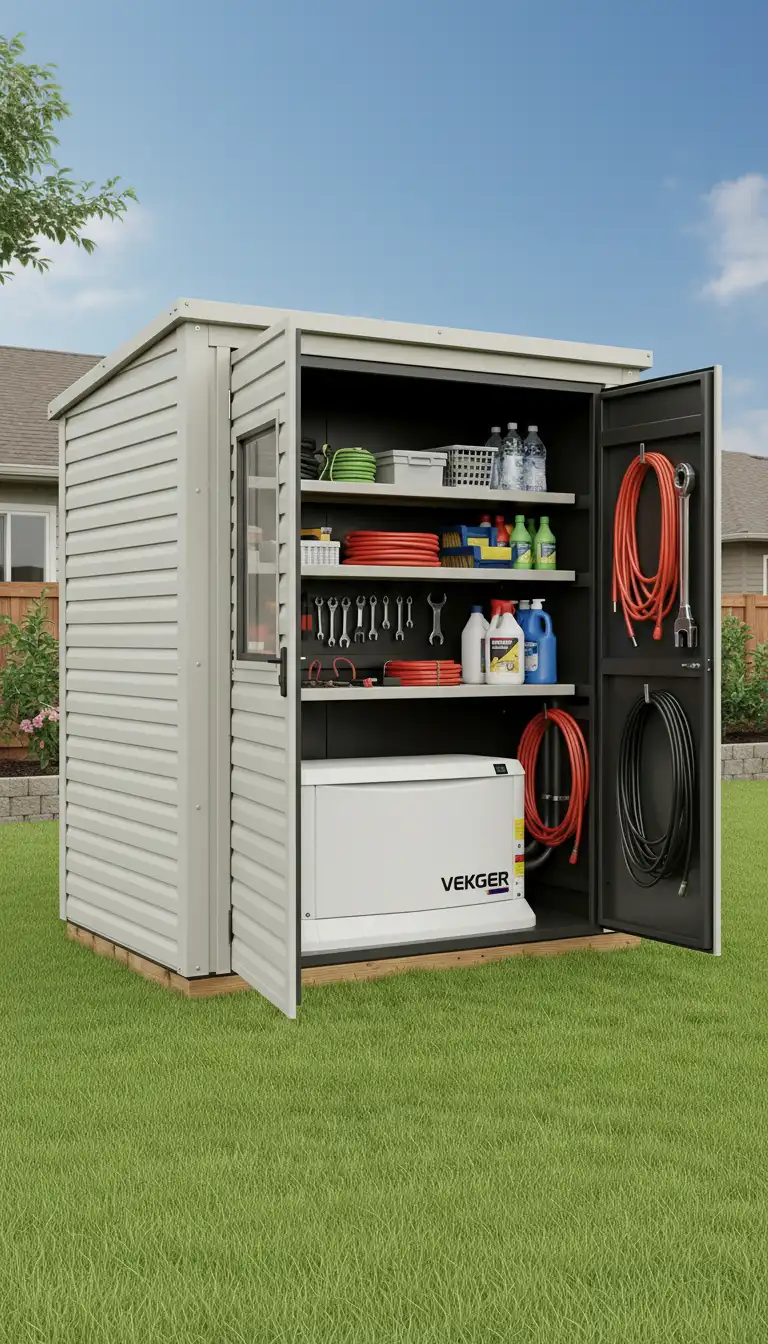
A shed-style Generator Enclosure Design combines generator housing with organized storage for tools, cables, and maintenance supplies.
This dual-purpose structure improves efficiency by keeping essential accessories within close reach during inspections or repairs.
Separate compartments enhance safety by isolating storage areas from active generator components.
This design works well for homeowners seeking a clean, organized outdoor utility solution.
It demonstrates how Generator Enclosure Design can support broader property management goals beyond simple equipment protection.
8. Concrete-Based Generator Enclosure Design for Maximum Stability
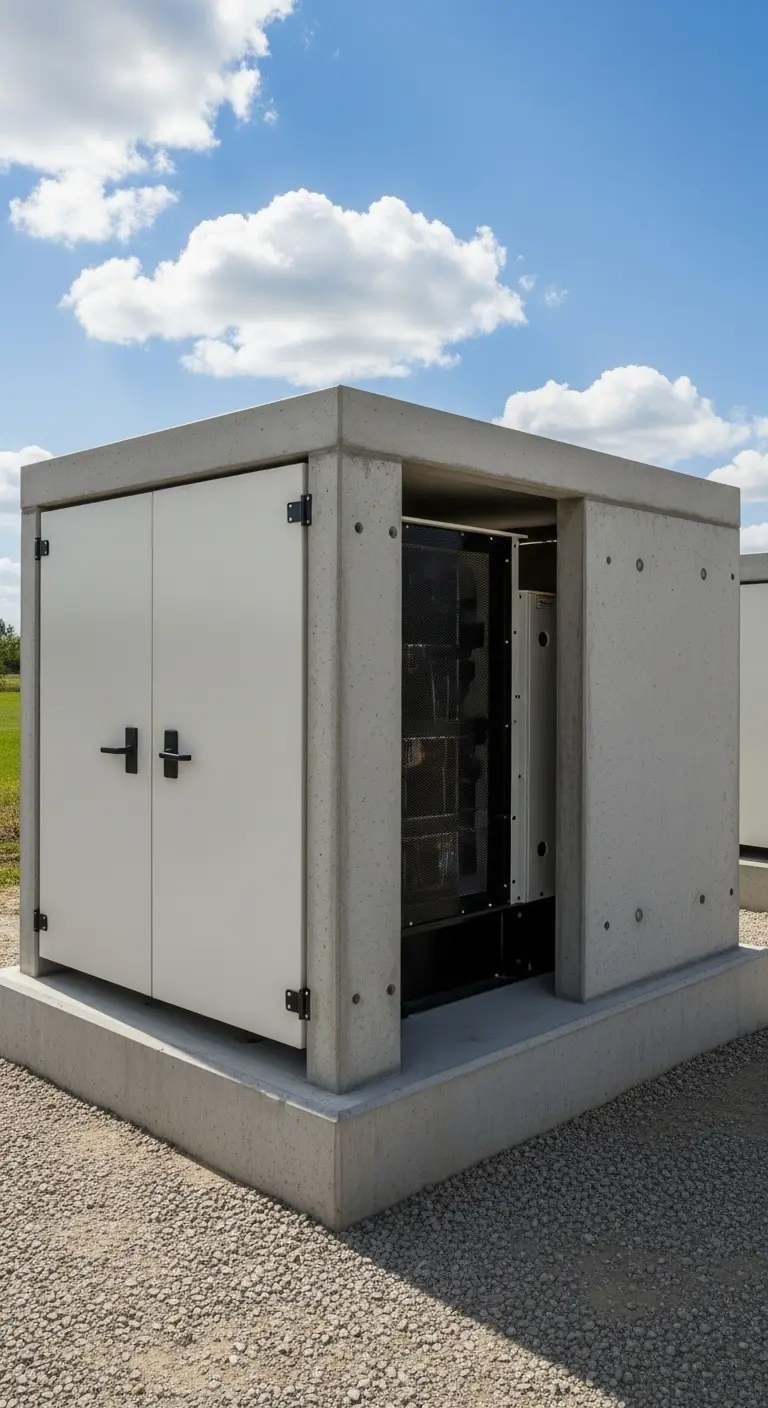
Concrete-based Generator Enclosure Design solutions prioritize stability, vibration control, and long-term structural reliability.
Solid walls and foundations reduce movement, minimizing stress on generator components during extended operation.
This design suits permanent installations where durability and security outweigh portability concerns.
Vent openings must be carefully engineered to maintain airflow without compromising structural integrity.
Concrete enclosures highlight a heavy-duty approach to Generator Enclosure Design focused on performance consistency.
9. Louvered Generator Enclosure Design for Enhanced Airflow Control
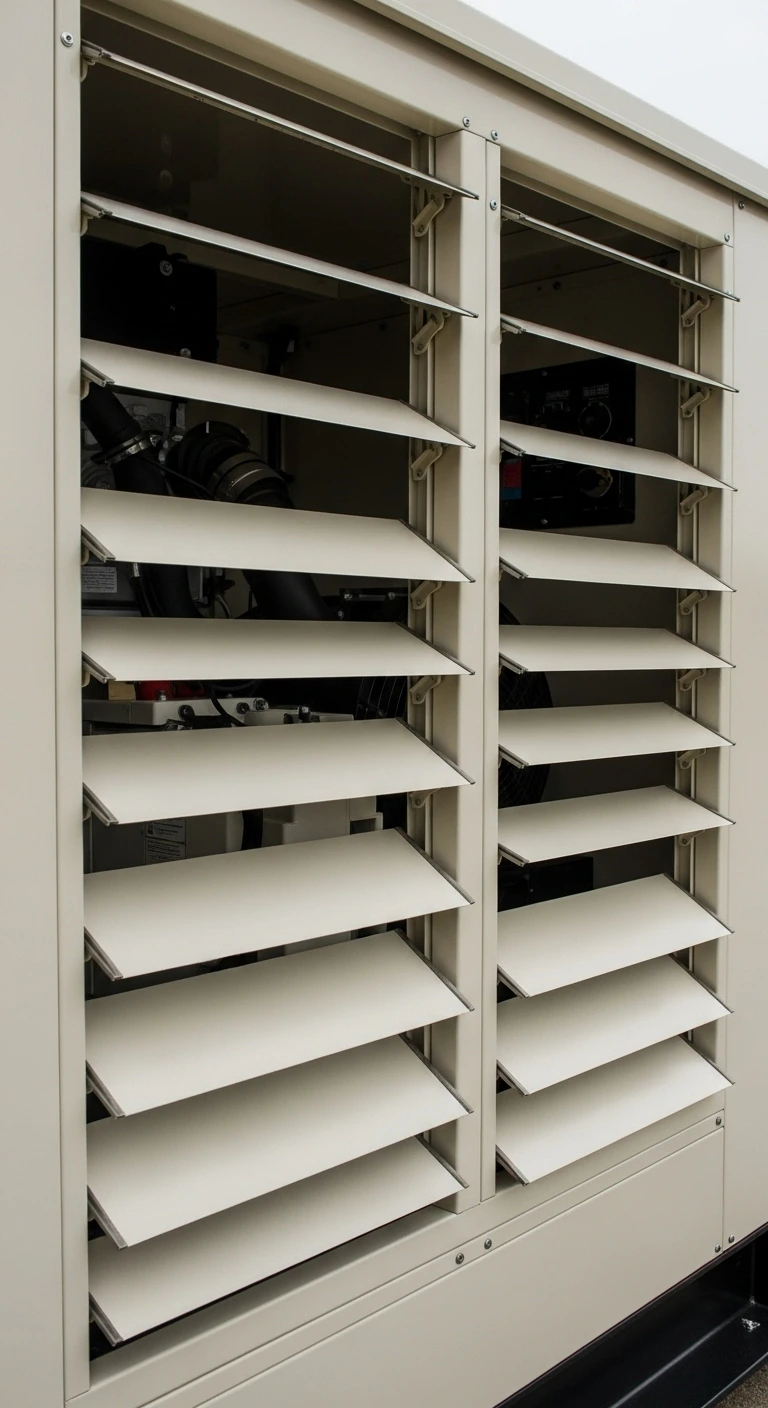
Louvered panels enhance Generator Enclosure Design by directing airflow while shielding internal components from external elements.
Angled slats allow heat to escape efficiently without exposing the generator to rain or debris.
This design works particularly well in warmer climates where cooling efficiency directly impacts generator lifespan.
Adjustable louvers provide flexibility based on seasonal conditions and usage intensity.
Louvered enclosures emphasize airflow management as a central Generator Enclosure Design principle.
10. Hybrid Material Generator Enclosure Design for Balanced Performance
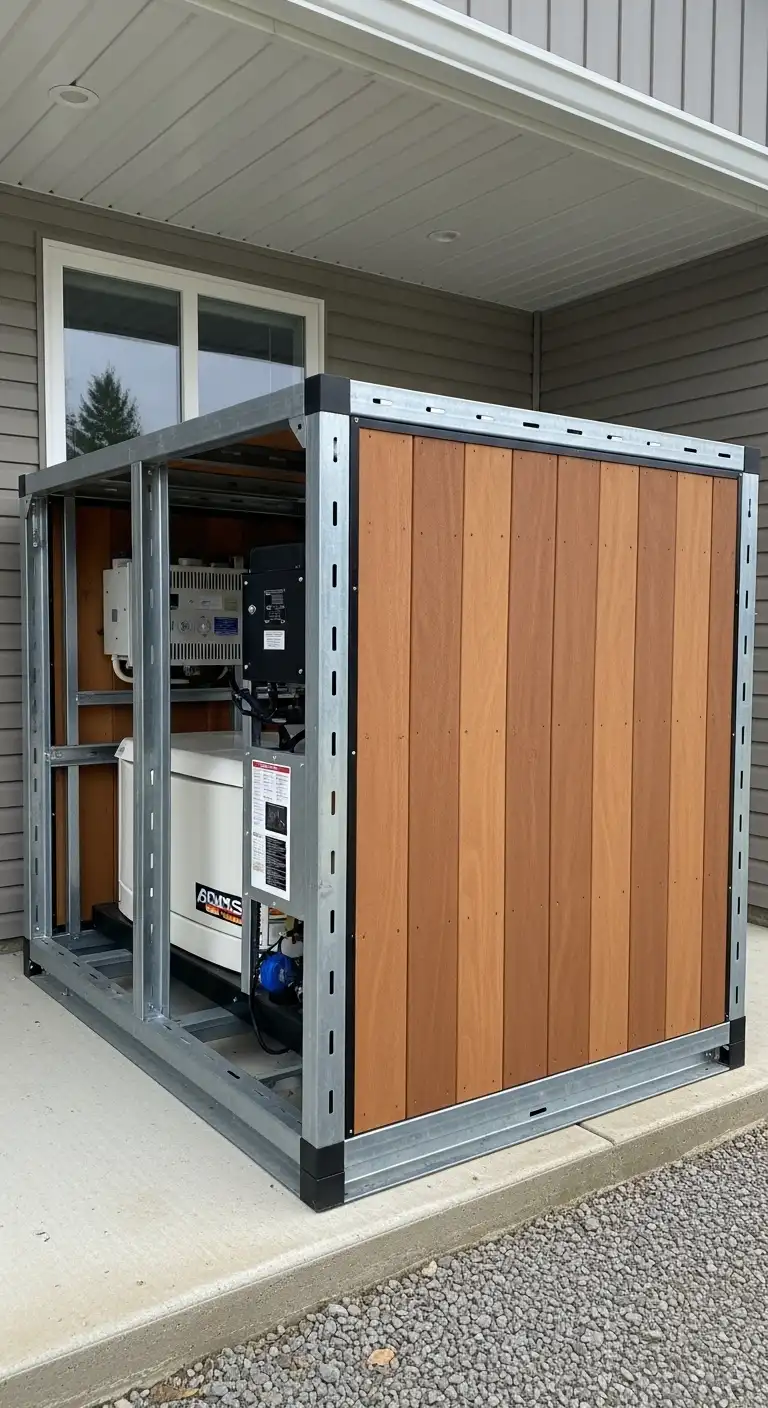
Hybrid Generator Enclosure Design combines materials such as metal, wood, and composites to balance strength, insulation, and visual appeal.
Metal frames provide durability, while wooden or composite panels soften appearance and improve sound absorption.
This approach allows customization based on environmental demands and aesthetic preferences.
Hybrid designs adapt easily to residential and semi-commercial settings.
They demonstrate how thoughtful material selection enhances overall Generator Enclosure Design effectiveness.
11. Raised Platform Generator Enclosure Design for Moisture Protection
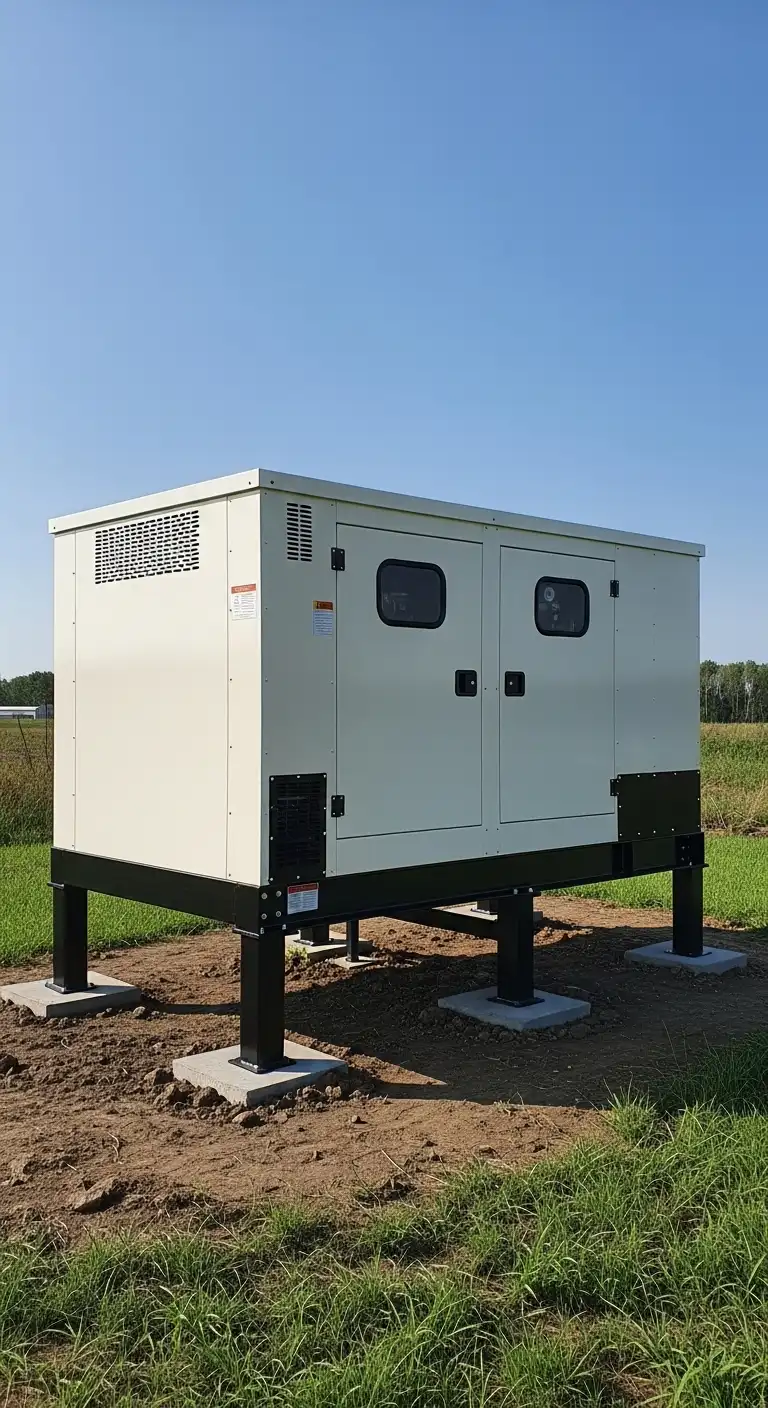
A raised platform Generator Enclosure Design protects equipment from ground moisture and water accumulation in vulnerable areas.
Elevating the enclosure improves airflow beneath the generator while reducing exposure to damp soil or pooling water.
This design supports reliable operation during heavy rainfall or seasonal ground saturation.
Secure anchoring prevents movement while maintaining structural stability under load and vibration.
Raised platforms demonstrate how Generator Enclosure Design can proactively address environmental risks.
12. Modular Generator Enclosure Design for Future Expansion
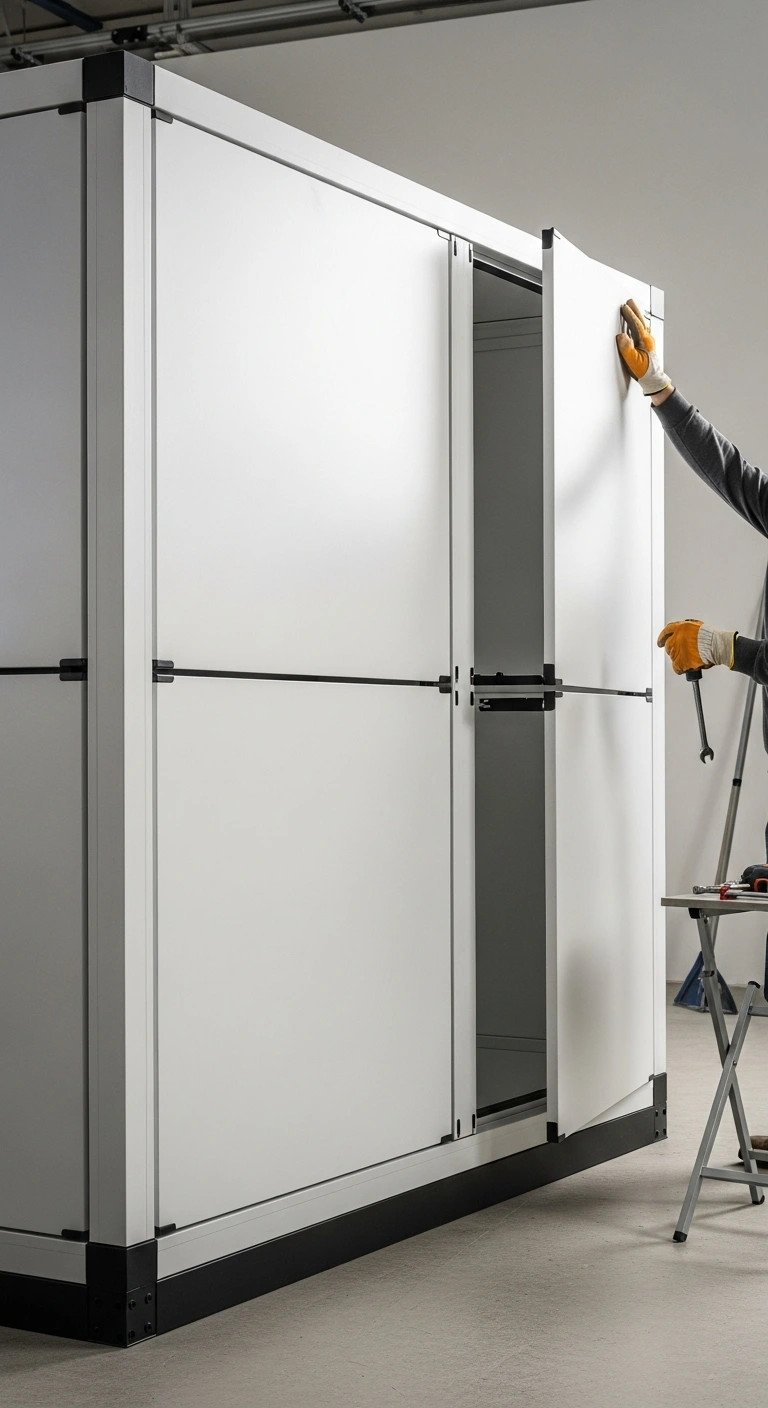
A modular Generator Enclosure Design allows users to expand or reconfigure structures as power requirements increase.
Interchangeable panels and standardized dimensions simplify upgrades without full reconstruction.
This design suits growing households or facilities anticipating additional equipment or higher output generators.
Ease of modification reduces long-term costs and construction disruptions. Modular enclosures highlight forward-thinking planning within Generator Enclosure Design strategies.
13. Fence-Style Generator Enclosure Design for Visual Discretion
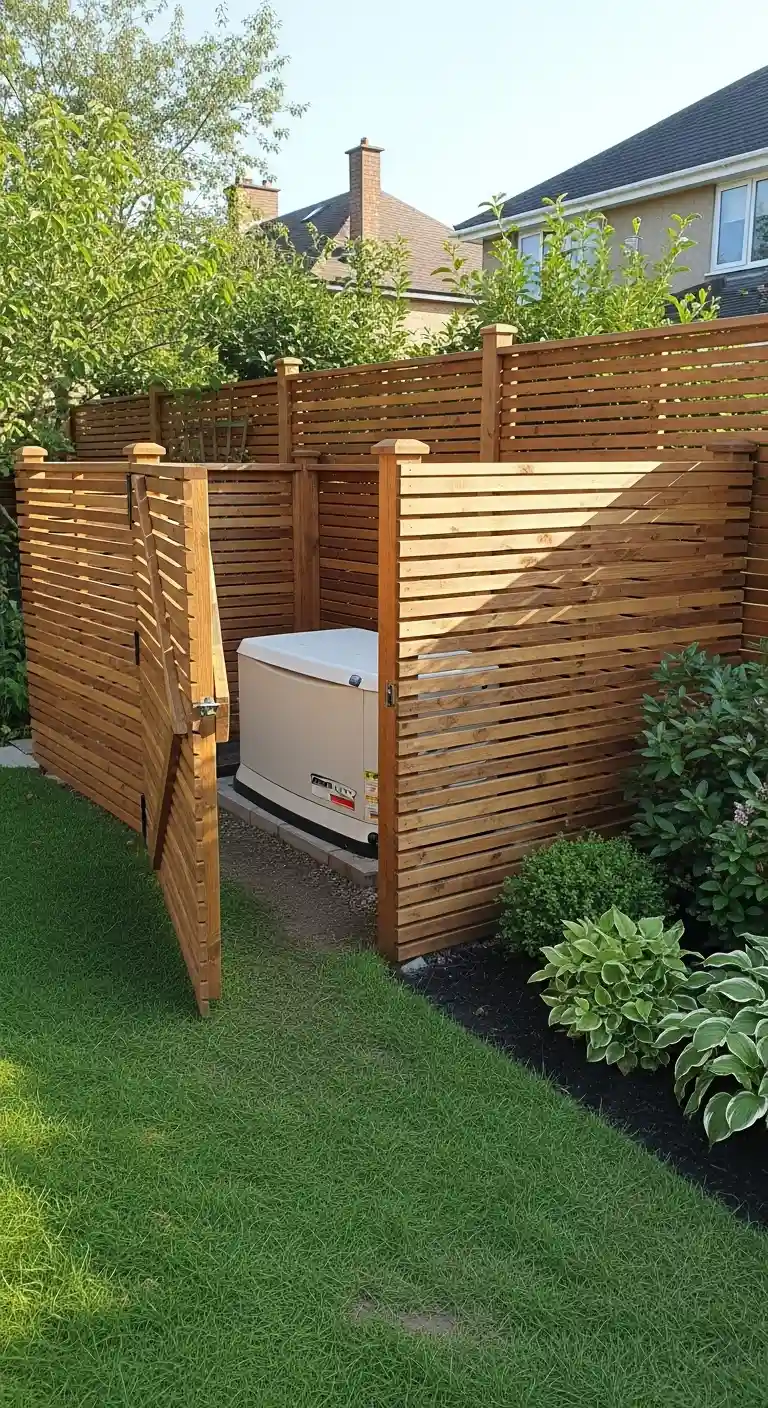
Fence-style Generator Enclosure Design solutions provide protection while blending seamlessly into existing property boundaries.
Slatted fencing maintains airflow while concealing the generator from direct view. This approach works well for residential settings where appearance and neighborhood harmony matter.
Hinged sections ensure maintenance access remains convenient and safe. Fence-style designs emphasize subtle integration as a valuable Generator Enclosure Design benefit.
14. Insulated Generator Enclosure Design for Temperature Regulation
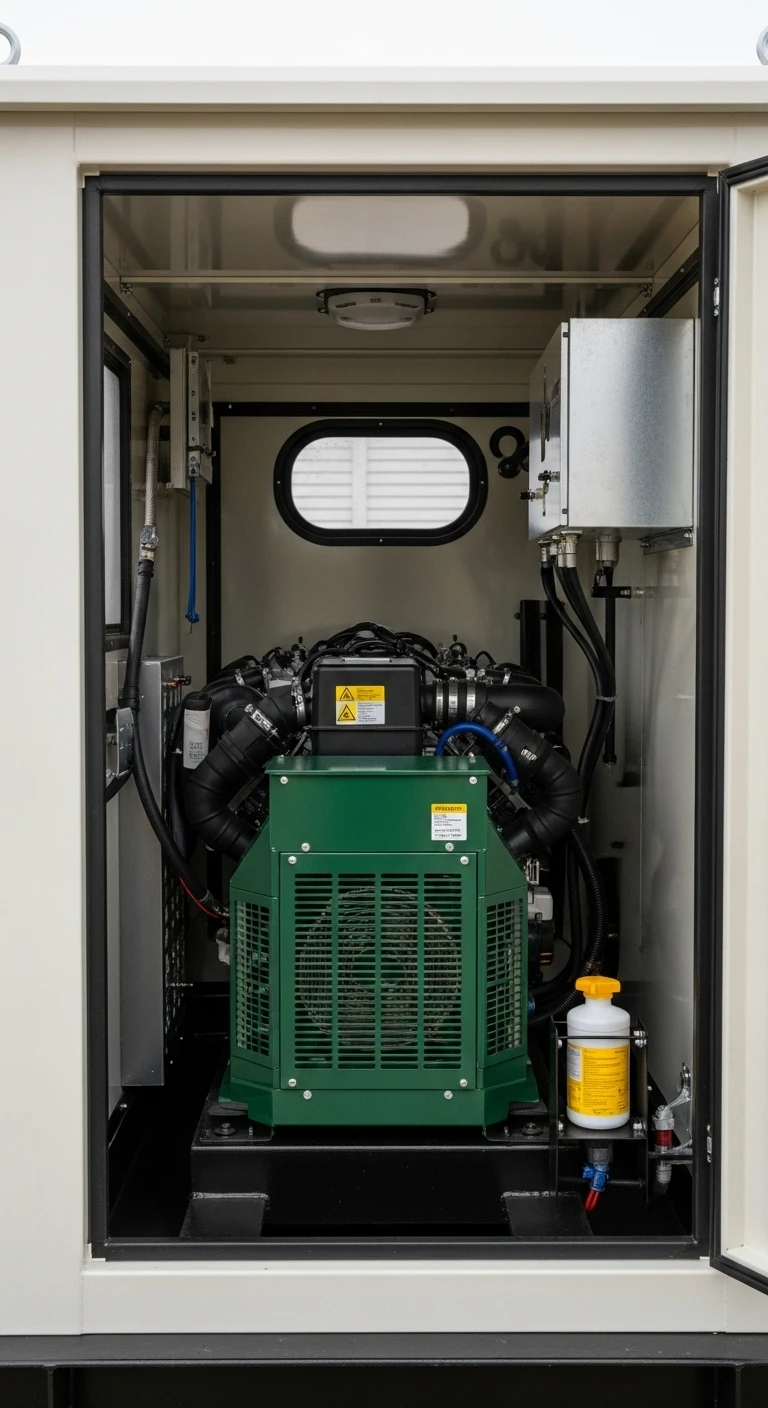
An insulated Generator Enclosure Design helps regulate internal temperatures across seasonal climate variations.
Thermal insulation reduces heat loss during cooler periods while limiting excessive heat buildup during warmer conditions.
Balanced ventilation ensures insulation does not trap heat or restrict airflow. This design supports consistent engine performance and reduced condensation risks.
Insulated enclosures showcase climate-aware thinking within Generator Enclosure Design planning.
15. Custom-Built Generator Enclosure Design for Specialized Needs
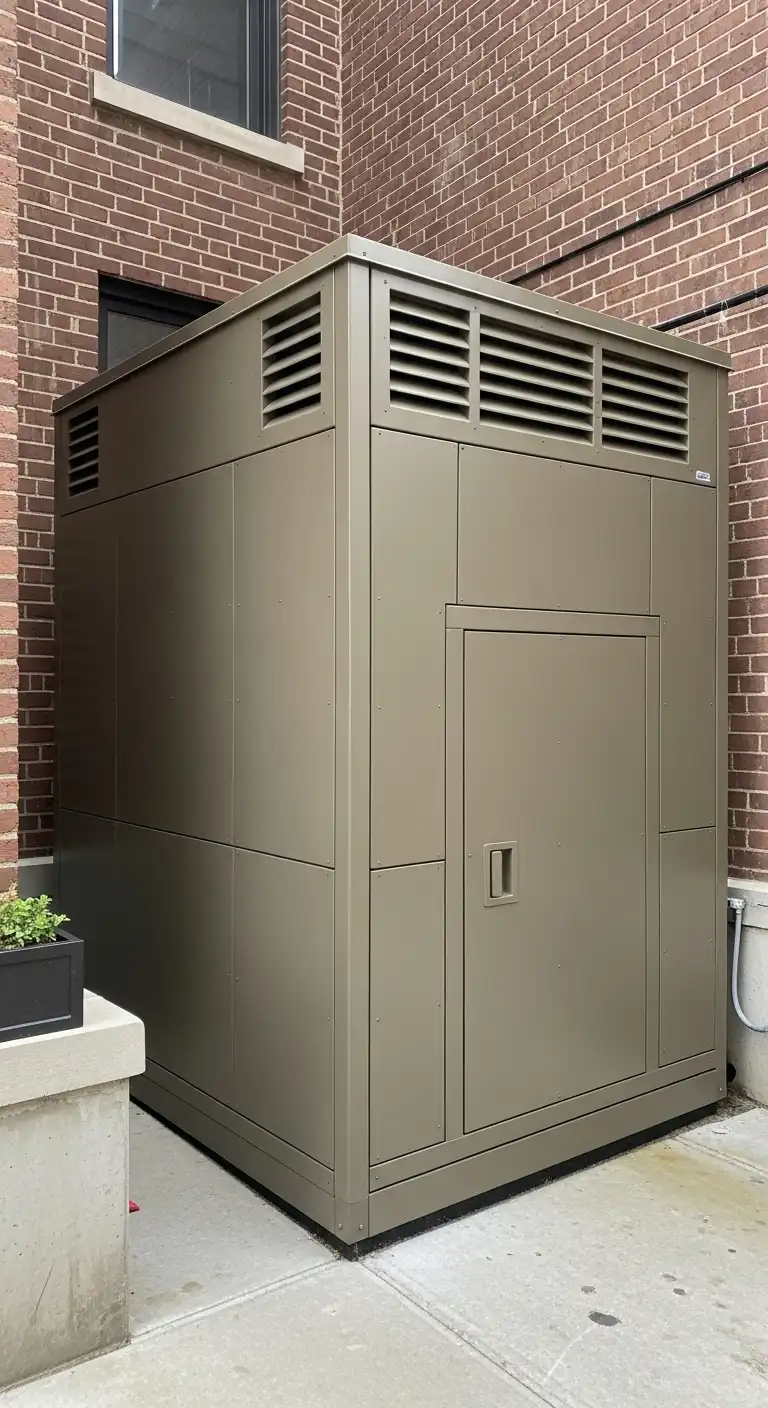
Custom-built Generator Enclosure Design solutions address unique space limitations, noise concerns, and environmental demands.
Tailored layouts optimize ventilation, access points, and material selection for specific installations. This approach suits users seeking long-term, personalized generator protection.
Custom designs allow precise alignment with property layout and usage expectations. They represent the most adaptable and comprehensive form of Generator Enclosure Design.
Maintaining Generator Enclosure Design for Long-Term Performance
Effective Generator Enclosure Design requires routine inspection and proactive maintenance to remain reliable over time.
Clearing vents, checking seals, and monitoring structural integrity prevent gradual performance decline. Scheduled upkeep ensures enclosures continue supporting safe generator operation.
This section reinforces maintenance as an extension of good design rather than a separate responsibility.
Choosing the Right Generator Enclosure Design for Your Setup
Selecting the best Generator Enclosure Design depends on environment, generator size, usage frequency, and future plans.
Evaluating these factors together helps avoid overbuilding or underprotecting valuable equipment.
This guidance helps readers connect design ideas with practical decision-making. Informed choices lead to safer operation and longer-lasting installations.
Final Wrap-Up
A carefully planned Generator Enclosure Design improves safety, durability, and overall generator performance. Each idea in this guide demonstrates how design choices directly influence reliability and usability.
By focusing on airflow, protection, and adaptability, readers can create enclosures that serve evolving needs.
Generator Enclosure Design ultimately supports dependable power and confident long-term preparedness.