13 Generator Enclosures for Portable Generators That Work & Look Great
Never let your generator sit unprotected! The right enclosure shields it from weather, cuts noise, and adds style to any space.
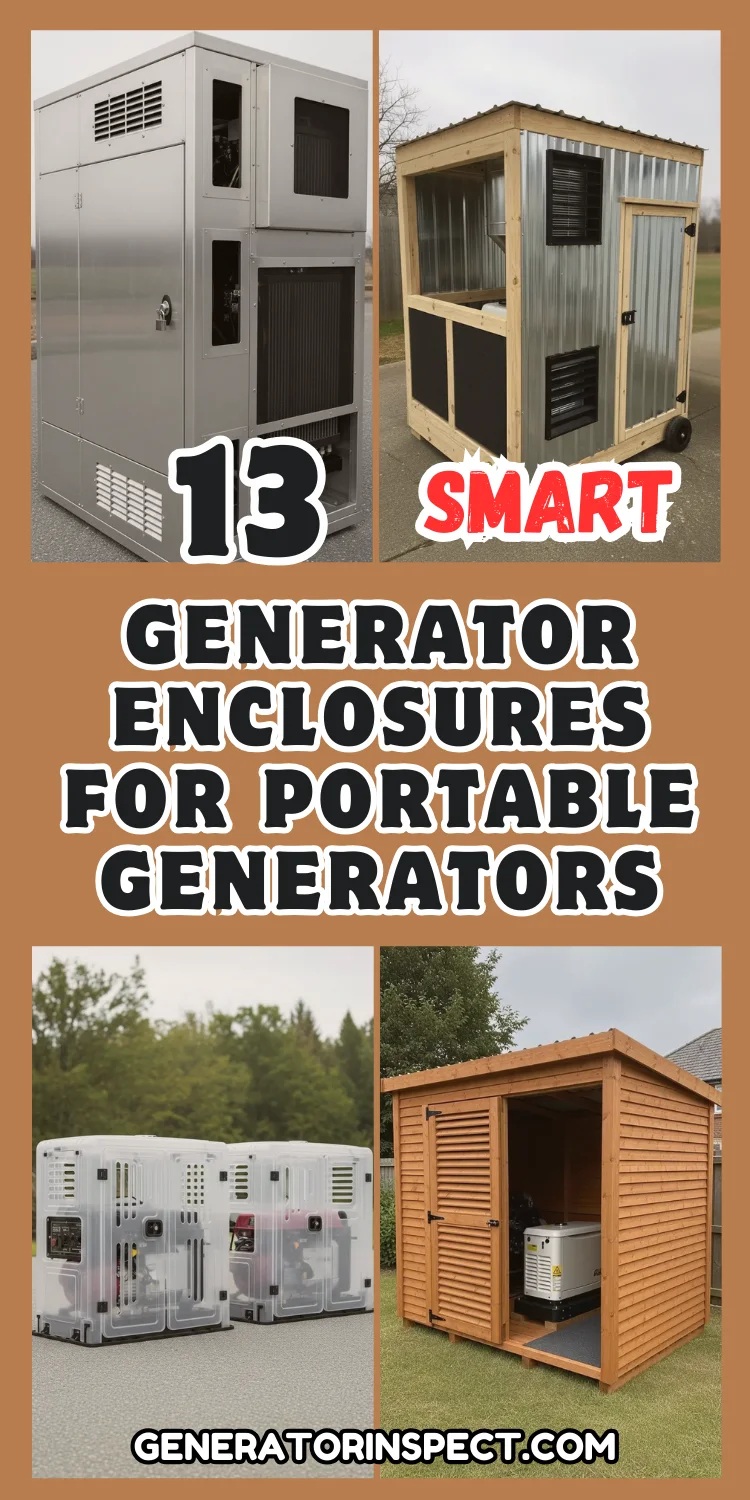
I remember staring at my portable generator last winter, shivering and frustrated. I had it running for emergency heat during a blackout, but the wind kept knocking snow over the top, and the engine sputtered with every gust. That’s when it hit me: I needed a proper generator enclosure.
At first, I underestimated the difference a good enclosure could make. I thought, “It’s just a box, right?” Wrong. A proper enclosure balances protection, ventilation, and noise reduction—everything I didn’t know I needed.
I designed one that fit my generator perfectly, added a few custom vents, and even included a small shelf for cords and fuel cans.
The result was instant peace of mind. The generator ran smoother, quieter, and stayed dry even during blizzards. I realized then that a portable generator enclosure isn’t just a “nice-to-have”; it’s a crucial investment in safety, performance, and longevity.
If you’ve been wondering how to protect your portable generator without compromising access or airflow, you’re in the right place.
In this guide, I’ll walk you through everything from DIY options to commercial enclosures, including tips to make your setup both functional and stylish.
Contents
Why You Need a Generator Enclosure for Your Portable Generator
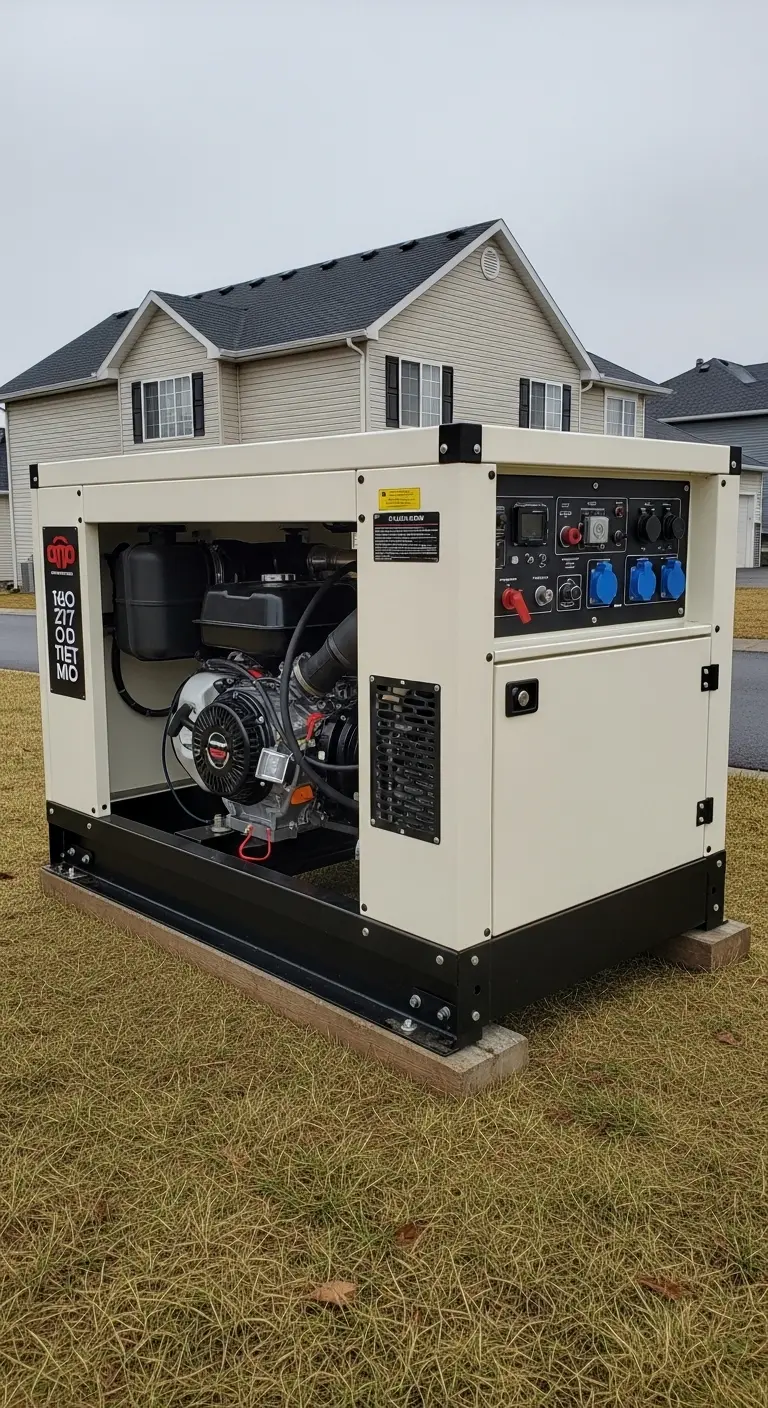
Generators left uncovered face exposure to rain, snow, dust, and extreme heat, which can reduce their lifespan significantly.
A well-designed enclosure shields the generator, preventing moisture-related damage, corrosion, and debris accumulation, while ensuring consistent operation in various weather conditions.
Noise reduction is another key benefit, especially in residential areas or quiet neighborhoods. Enclosures equipped with insulation materials can reduce operational sound by several decibels.
Additionally, enclosures improve safety by keeping curious children, pets, or passersby away from hot engine surfaces or spinning components, minimizing the risk of accidents.
Investing in a quality enclosure ensures the generator performs reliably when you need it most, providing both peace of mind and protection.
Factors to Consider Before Buying a Generator Enclosure
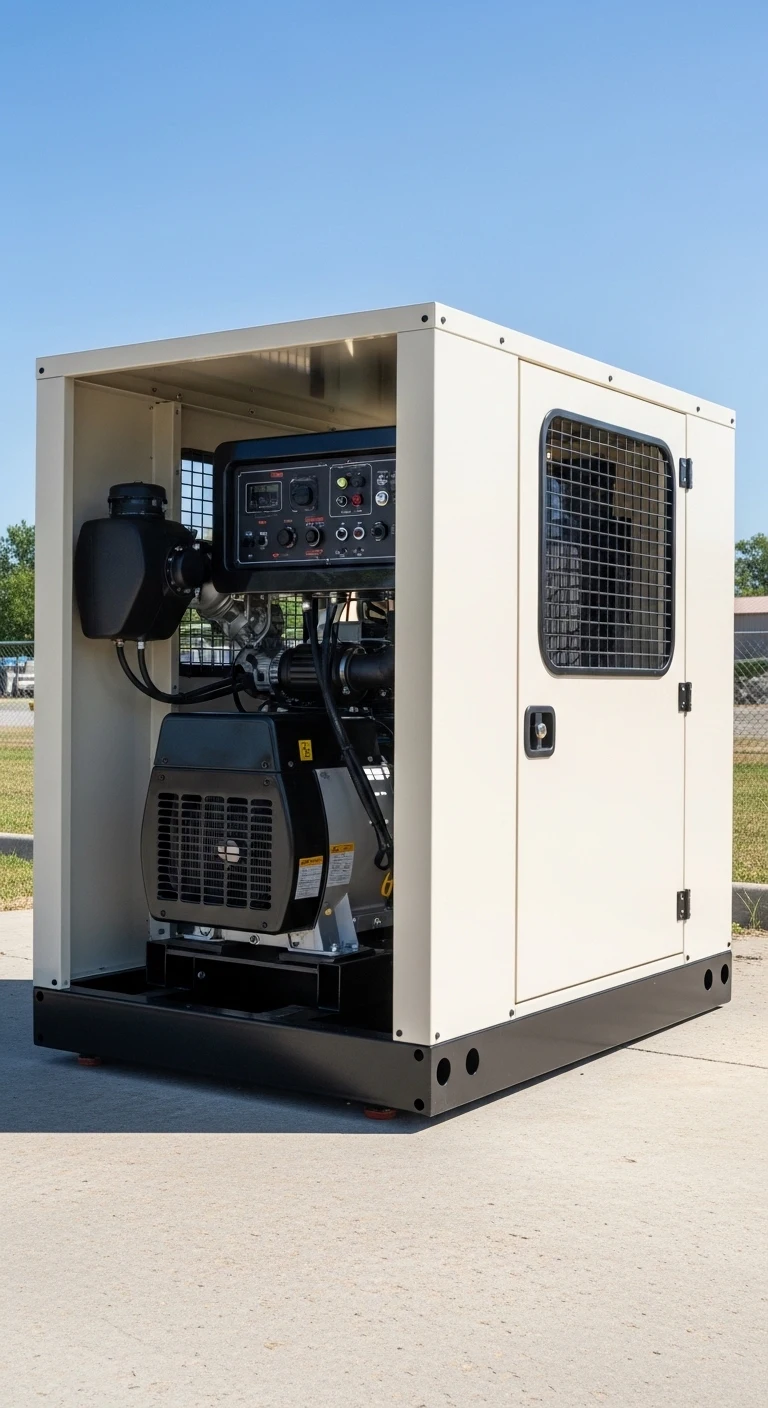
Choosing the right enclosure depends on multiple factors, including size, material, ventilation, portability, and ease of access for maintenance.
Size is critical: a small enclosure may restrict airflow and cause overheating, while an oversized unit could be difficult to move or store efficiently.
Materials vary from metal, wood, plastic, or composites, each offering different levels of protection, durability, and noise reduction capabilities.
Ventilation ensures the engine does not overheat, and properly designed vents allow airflow without exposing the unit to rain or debris.
Portability may be necessary if you plan to relocate the generator often, while permanent enclosures require a stable installation area and secure foundation.
13 Generator Enclosures for Portable Generators
Weatherproof Metal Enclosures
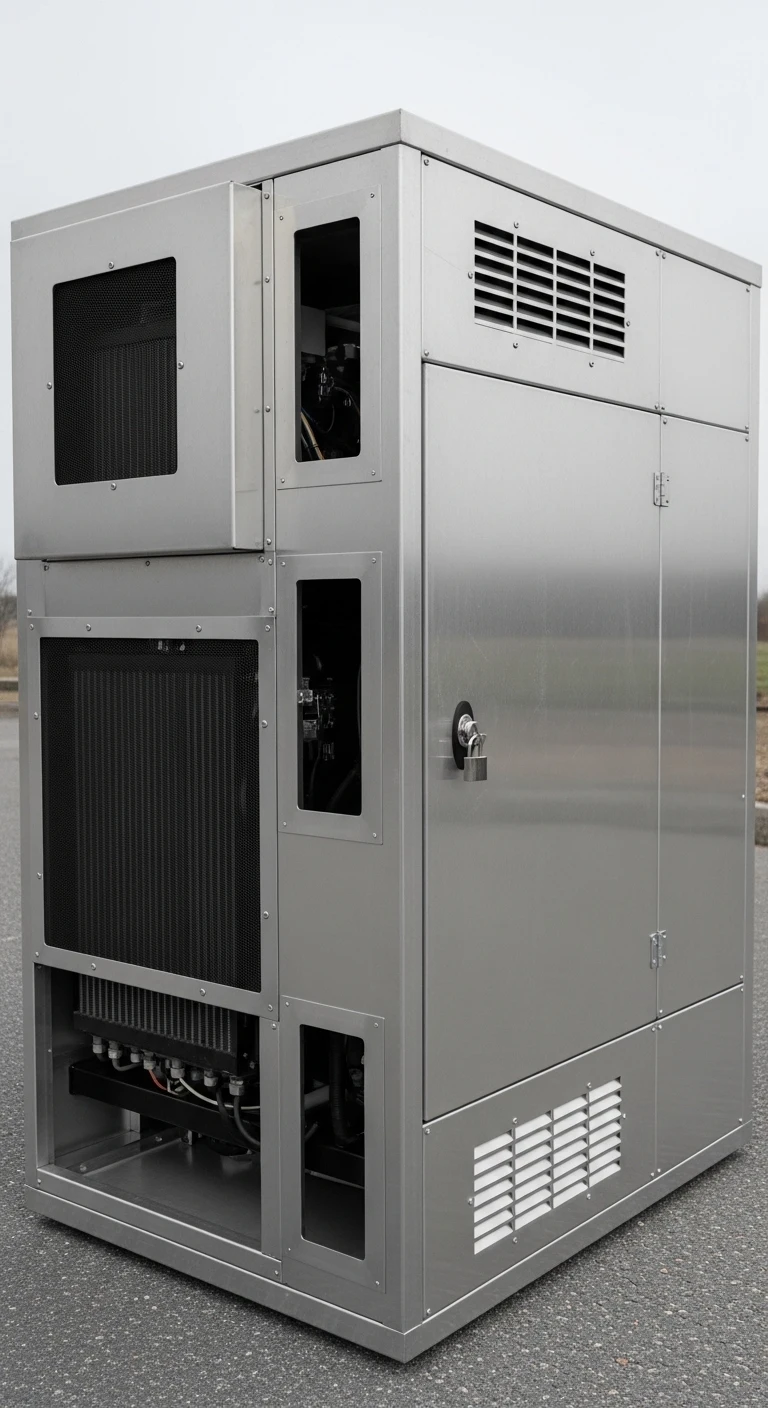
Metal enclosures are known for their strength and durability, offering excellent protection against rain, snow, and UV exposure.
High-quality steel or aluminum units often include ventilation grilles to maintain proper airflow and prevent engine overheating during operation.
These enclosures are particularly beneficial in areas with harsh weather conditions, providing long-term reliability and safeguarding expensive equipment from corrosion or accidental impacts.
Additionally, many metal enclosures incorporate locks or reinforced panels, which can prevent unauthorized access while maintaining easy operation for routine maintenance.
For users seeking maximum protection combined with moderate noise reduction, weatherproof metal enclosures remain a highly practical and long-lasting choice.
Wooden Generator Sheds
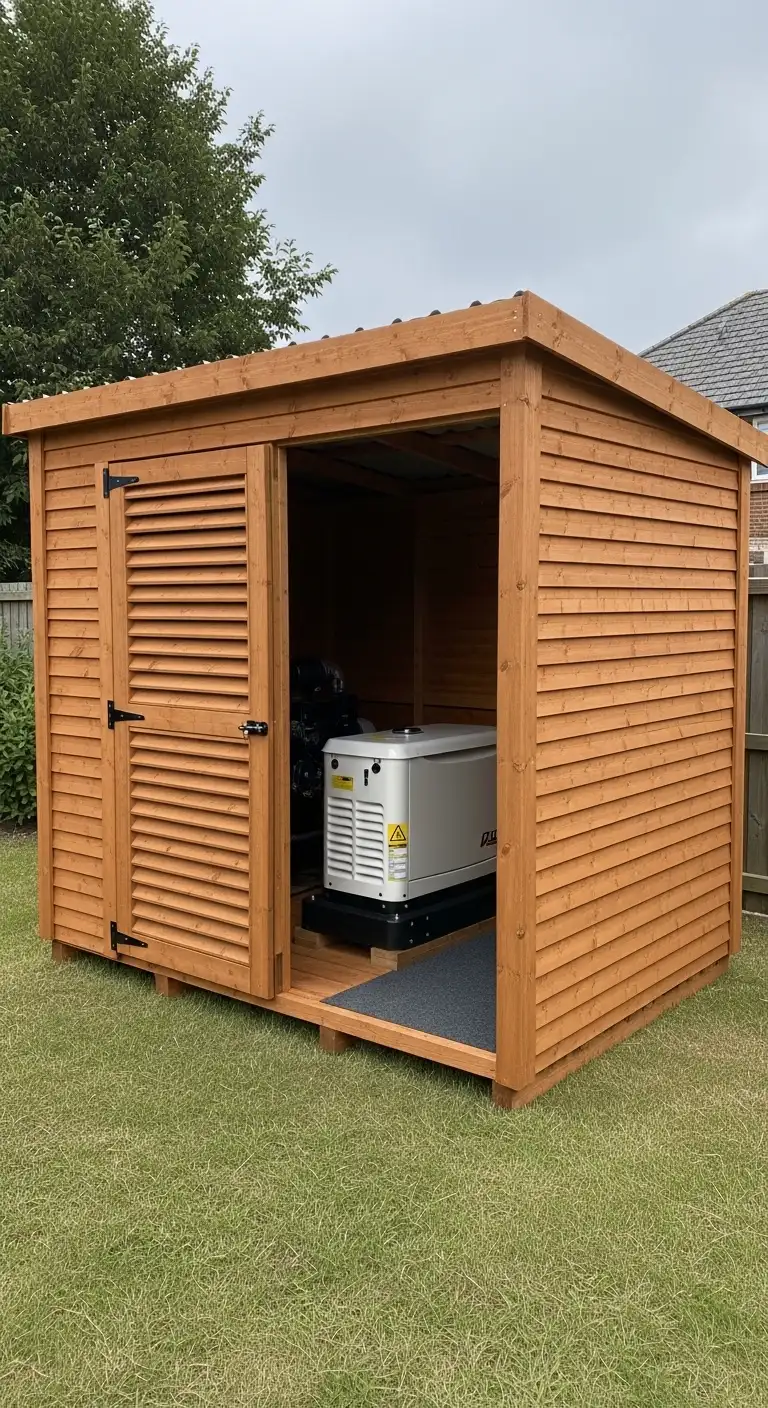
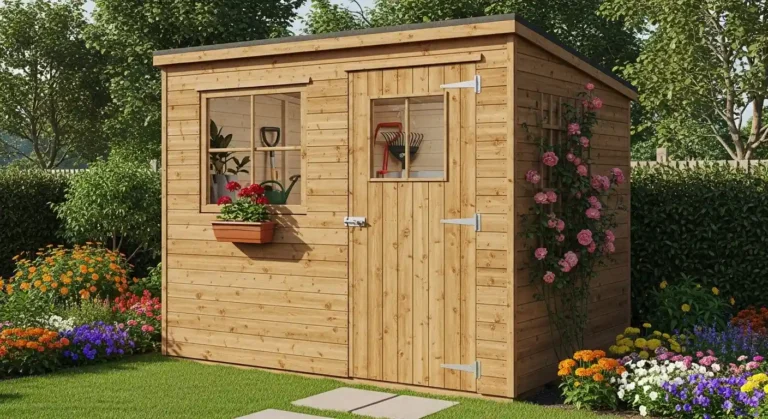
Wooden sheds combine functionality with aesthetic appeal, allowing generators to blend into backyard landscapes or outdoor workspaces.
Constructed from treated timber, these enclosures can withstand moderate weather while offering ample ventilation through louvered panels to avoid engine overheating.
Wood is easier to customize than metal, enabling users to add shelving, side doors, or extra soundproofing insulation as needed.
Although wooden enclosures may require occasional maintenance, such as sealing and painting, they provide a visually pleasing option that doesn’t sacrifice practicality or protection.
For homeowners seeking a durable, stylish, and customizable generator shelter, wooden sheds represent a versatile and effective solution.
Plastic or Resin Covers
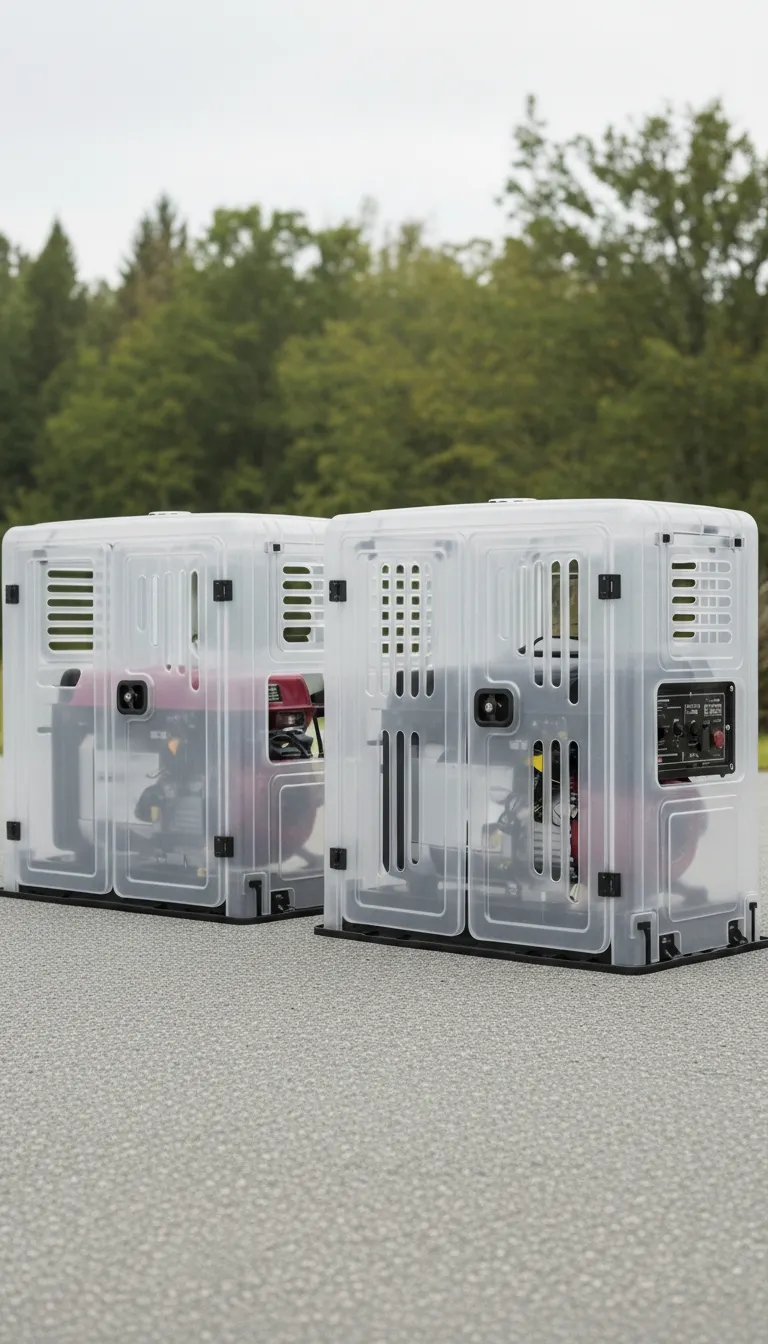
Plastic or resin enclosures are lightweight, portable, and often more affordable than metal or wooden units, making them a convenient option for small or mid-sized generators.
They resist corrosion and can withstand rain, snow, and UV damage, although extreme weather conditions may shorten their lifespan compared to heavier materials.
Many designs include ventilation slots or removable panels, providing airflow and reducing overheating risks during extended operation.
These enclosures are ideal for users needing quick setup and mobility while still maintaining basic weather protection and functional usability.
For temporary or seasonal use, plastic or resin generator enclosures provide convenience and cost efficiency without compromising essential safety features.
DIY Generator Enclosures
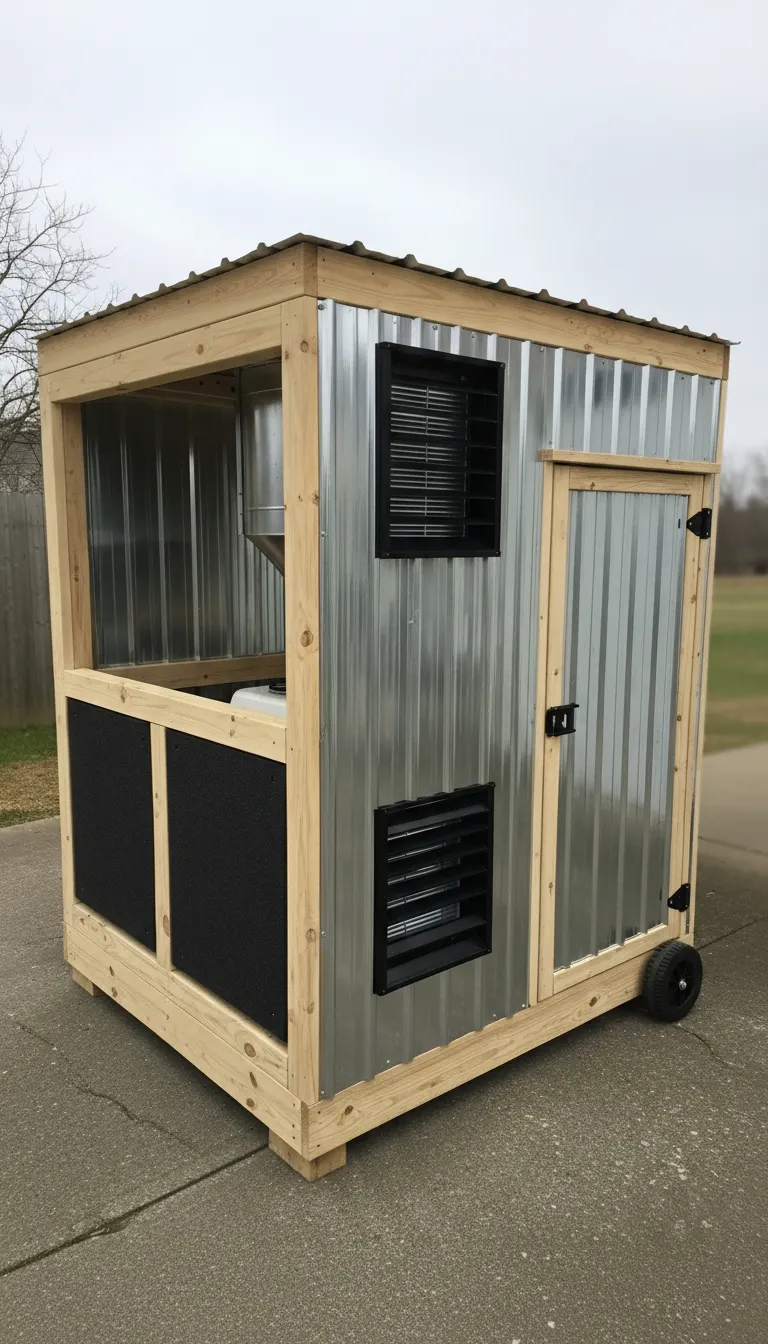
Building a DIY generator enclosure allows users to customize size, materials, and design according to specific needs and available space.
Common materials include wood, metal sheets, or weather-resistant plastics, combined with ventilation systems to prevent overheating while providing full coverage from elements.
DIY enclosures can incorporate noise-dampening panels, lockable doors, or wheels for portability, offering flexibility that prebuilt units may not provide.
However, careful planning is necessary to maintain safety, proper airflow, and accessibility for maintenance and fuel refilling.
For hobbyists or budget-conscious users, a DIY enclosure can offer both functional and creative solutions tailored to their unique generator setup.
Soundproof Generator Boxes
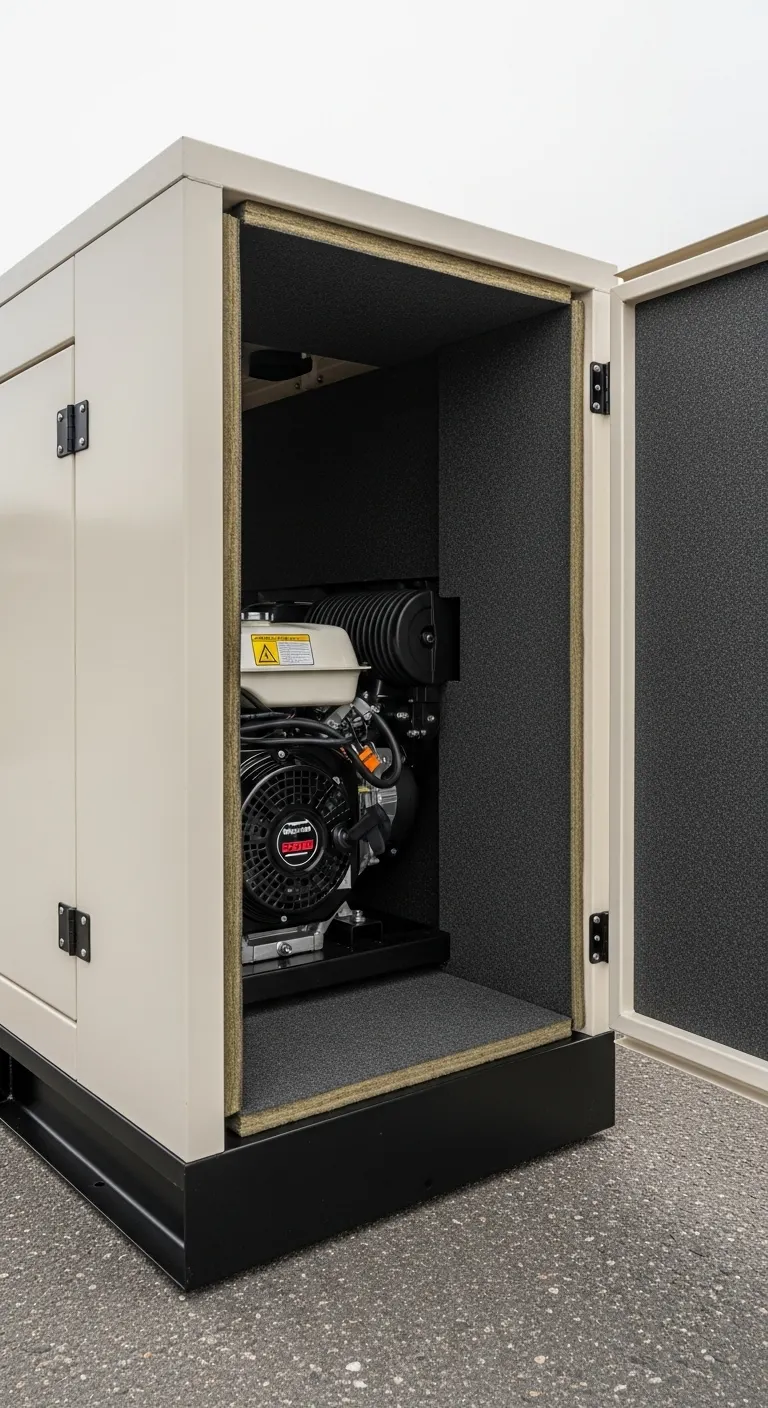
Soundproof enclosures are designed to reduce operational noise, making them ideal for residential areas, camping sites, or any location where quiet operation is important.
These units use dense insulation materials and specially designed airflow channels to balance cooling needs with noise reduction, preventing the engine from overheating.
Soundproof boxes come in various materials, including metal, wood, or composite panels, often combined with internal acoustic foam or rubber padding for extra noise dampening.
Although slightly heavier than traditional enclosures, these units provide a comfortable environment for neighbors and workers while maintaining generator efficiency.
For users prioritizing noise control without sacrificing protection, soundproof generator boxes are an effective and reliable solution.
Portable Tent-Style Covers
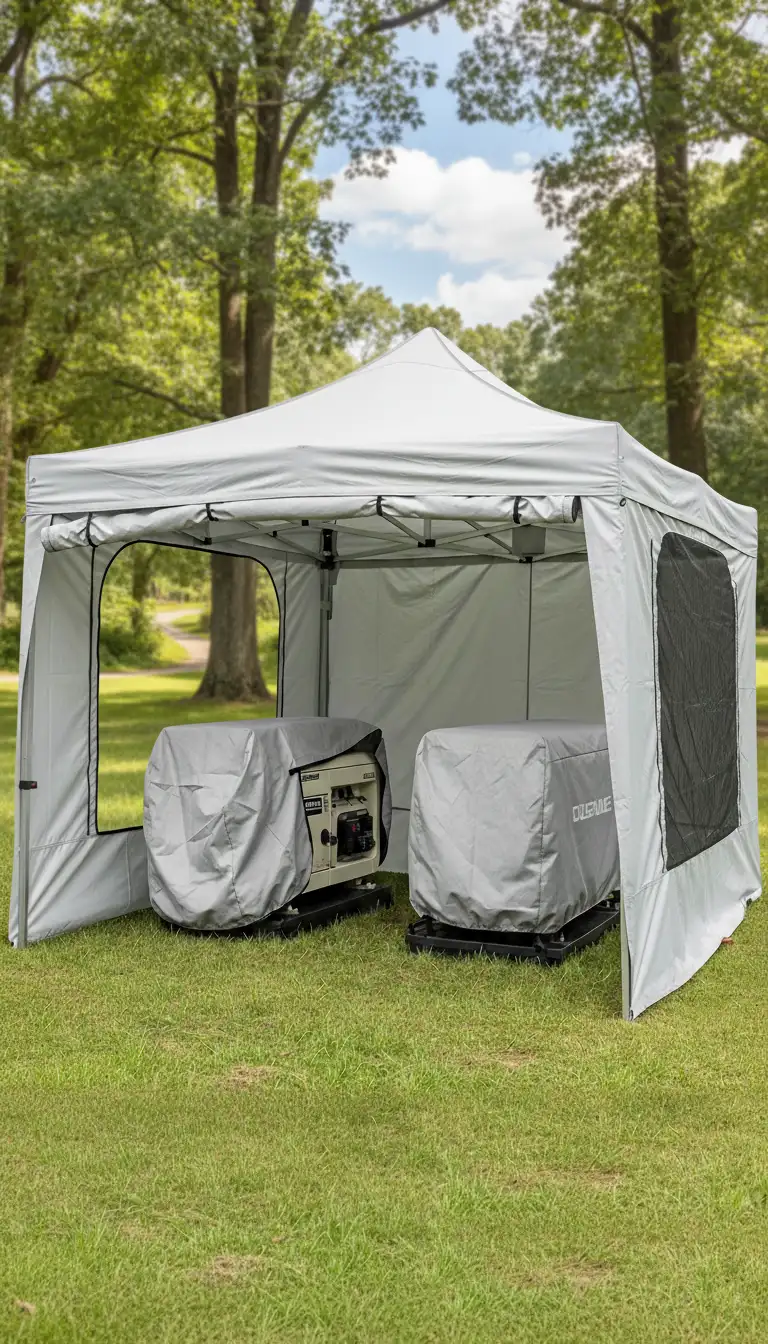
Tent-style generator covers provide a lightweight, temporary solution for outdoor protection, making them ideal for short-term projects or camping setups.
These enclosures usually consist of waterproof fabric stretched over a metal or plastic frame, offering quick assembly and removal for portability and convenience.
While they protect generators from rain and direct sunlight, they provide limited insulation and noise reduction, so their primary benefit is weather shielding rather than soundproofing.
Ventilation is crucial, as these covers can trap heat if airflow is inadequate, so leaving open panels or mesh sections ensures the generator operates safely.
Portable tent-style covers are perfect for users who need temporary weather protection without the commitment of a permanent or heavy enclosure.
Lockable Security Enclosures
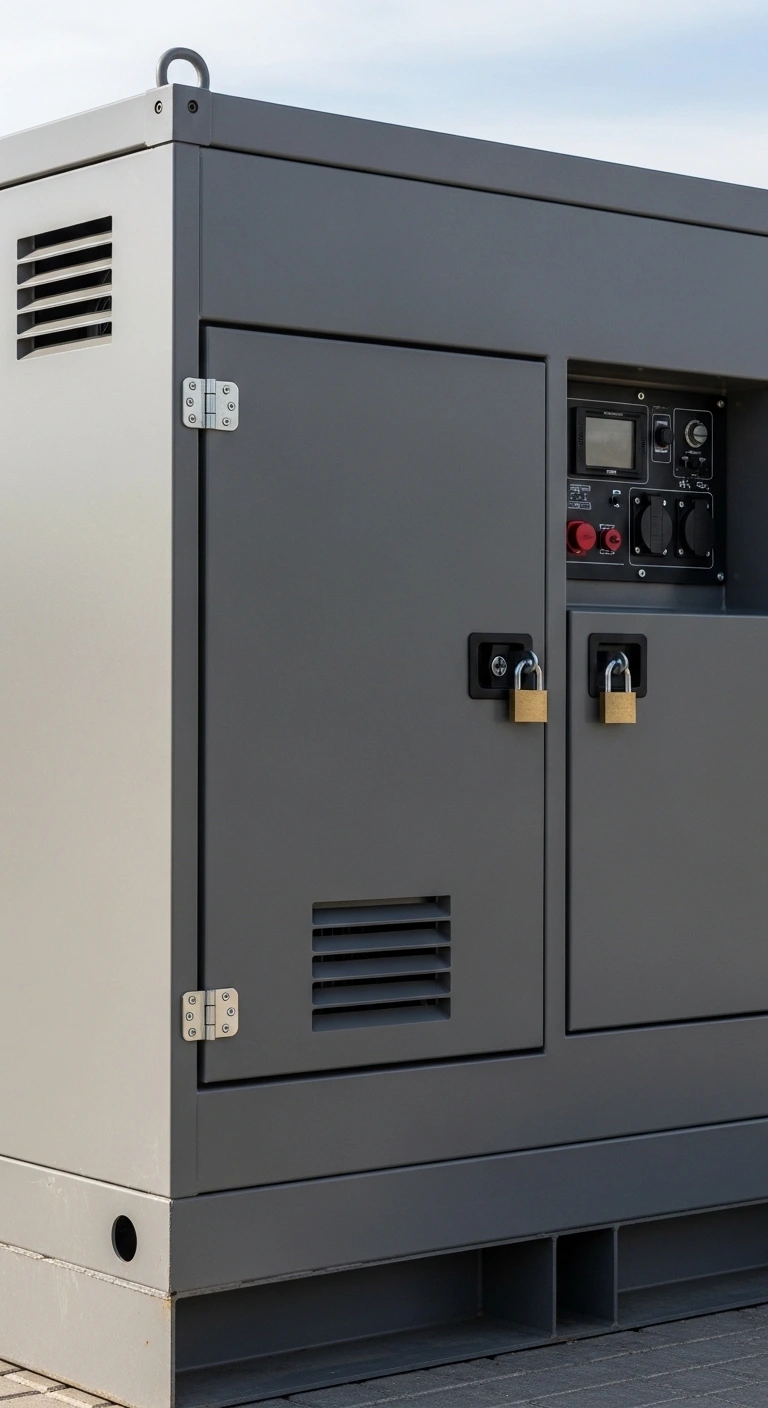
Lockable enclosures are designed to protect your generator from theft, vandalism, or unauthorized access, which is particularly useful for construction sites or public areas.
These enclosures are usually made from reinforced metal or composite materials, equipped with padlocks or integrated locking mechanisms for maximum security.
In addition to theft prevention, these units often include ventilation panels or adjustable openings to maintain safe airflow during operation.
Some models allow easy access for refueling and maintenance while still keeping the generator fully secured when unattended.
For anyone concerned about safety or asset protection, lockable security enclosures provide peace of mind without compromising generator performance or usability.
Rolling Carts with Enclosures
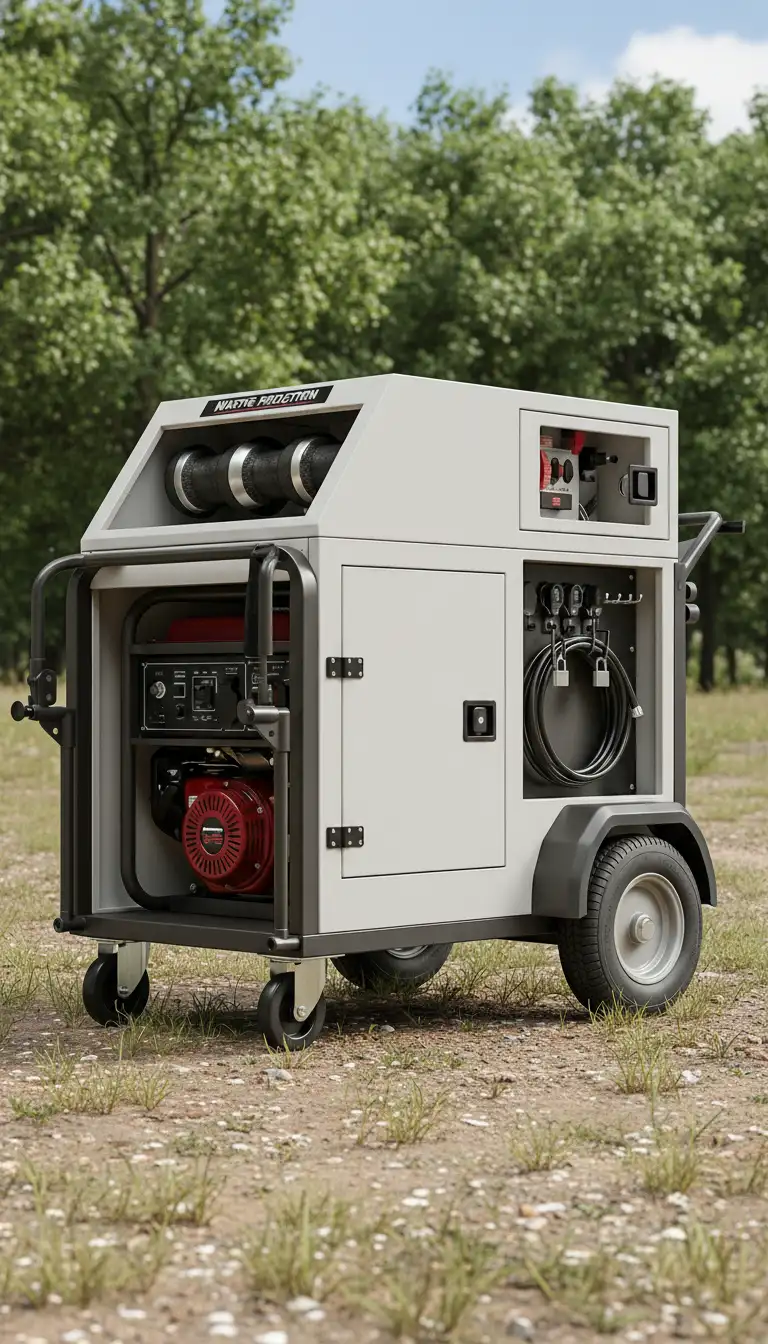
Rolling cart enclosures combine mobility and protection, allowing generators to be easily moved across construction sites, workshops, or large outdoor spaces.
These units usually feature a sturdy frame with wheels and a protective enclosure built around the generator, providing weather protection and moderate noise reduction.
The design enables users to reposition the generator without lifting heavy equipment while maintaining proper airflow and ventilation to prevent overheating.
Some rolling cart enclosures also include lockable panels or compartments for storing cables and tools, adding convenience and organization to the setup.
For users needing mobility without sacrificing protection, rolling cart generator enclosures offer a practical and versatile solution.
Garage-Style Sheds
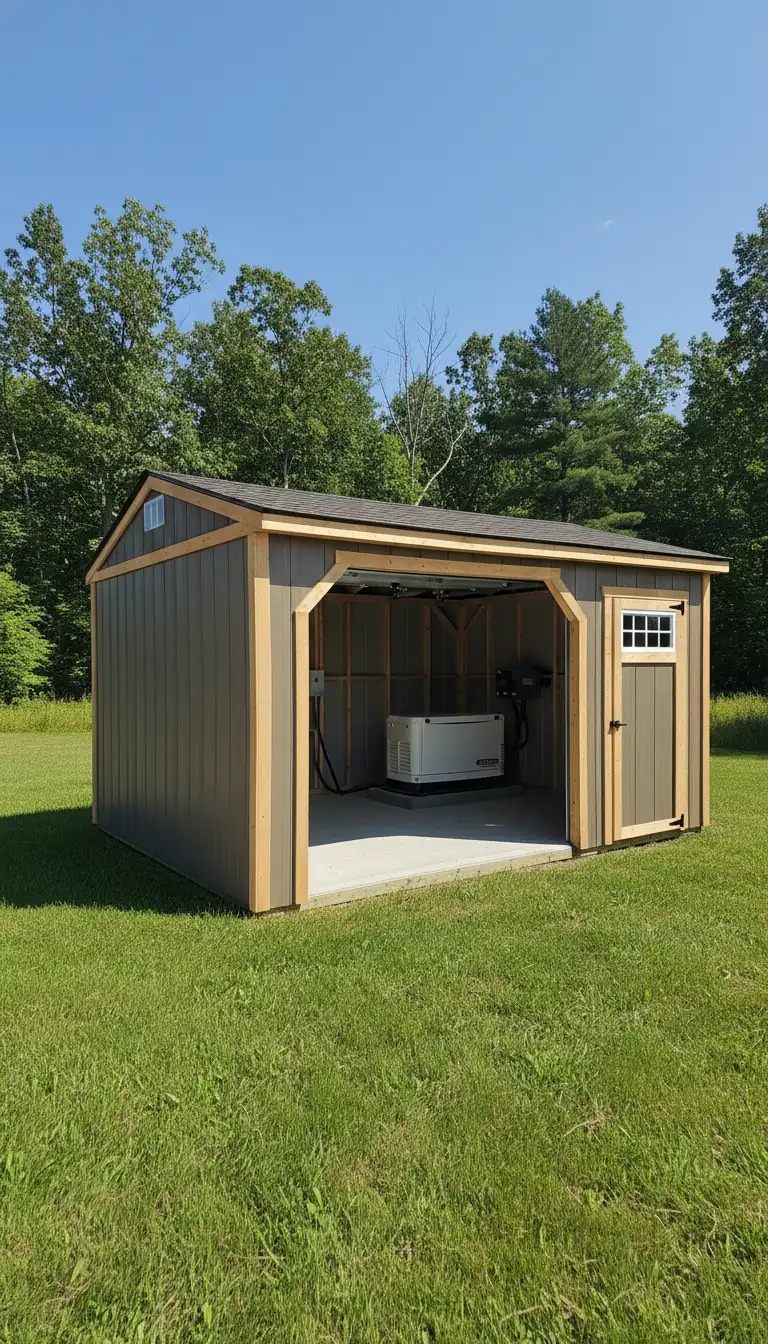
Garage-style generator sheds are permanent, large enclosures that resemble miniature garages, designed for heavy-duty or long-term generator installations.
They provide ample space for ventilation, noise reduction, and easy access for maintenance or fuel refilling, making them ideal for backup power systems.
Construction materials can include wood, metal, or composite panels, with insulated walls to enhance soundproofing and protect the generator from extreme weather conditions.
These enclosures may require a dedicated foundation or concrete pad to ensure stability and prevent moisture or pest intrusion.
For households or businesses relying on reliable backup power, garage-style sheds offer a secure, spacious, and durable solution for generator protection.
Outdoor Cabinets with Ventilation
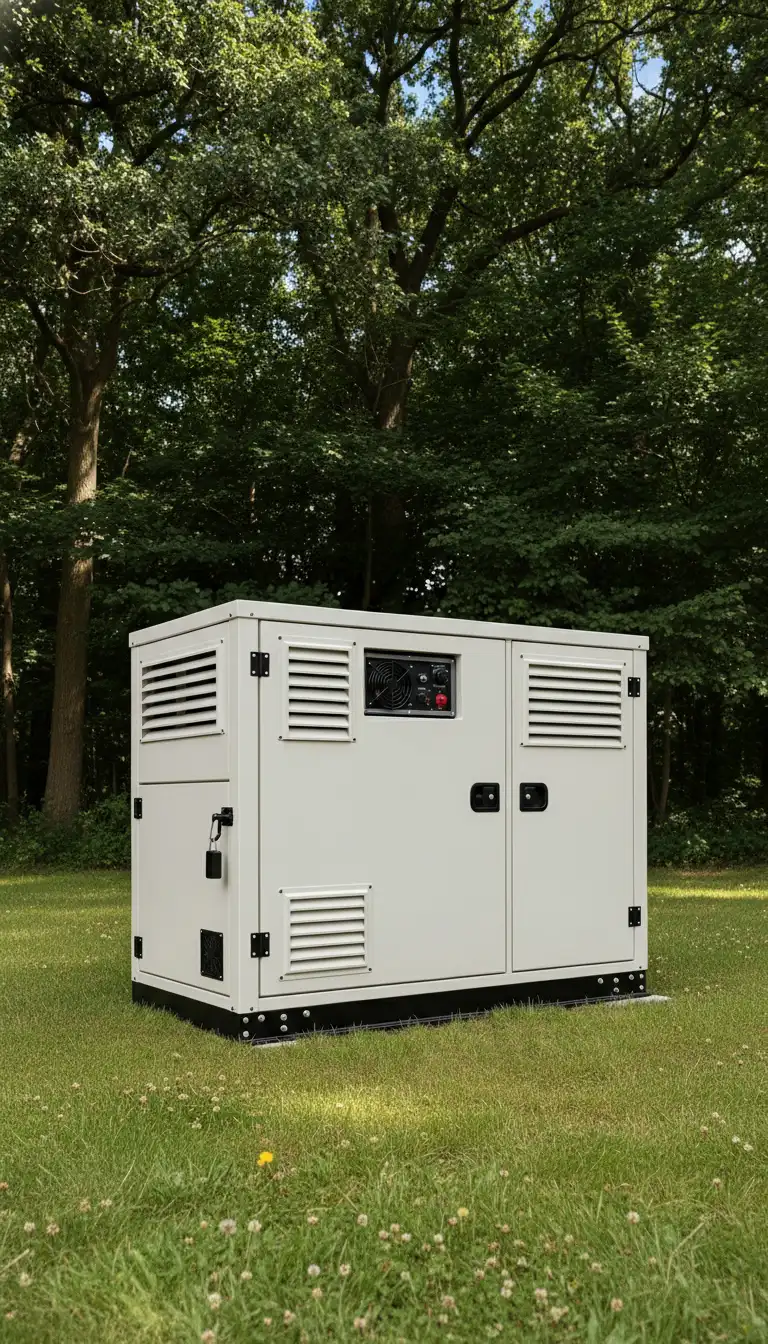
Outdoor generator cabinets are compact, weatherproof enclosures designed for residential or commercial use where both protection and airflow are essential.
They often feature built-in vents or louvered panels that balance cooling with shielding from rain, debris, or sunlight, ensuring the generator operates efficiently.
Some models include lockable doors, soundproof panels, and reinforced materials for security while maintaining accessibility for routine maintenance and inspections.
These cabinets are particularly useful for smaller generators where a permanent garage or large shed is not practical, offering a convenient balance of protection, ventilation, and noise control.
Outdoor cabinets provide a professional, functional solution for users who require a weatherproof enclosure with proper airflow and easy accessibility.
Sound-Dampening Enclosures for Night Use
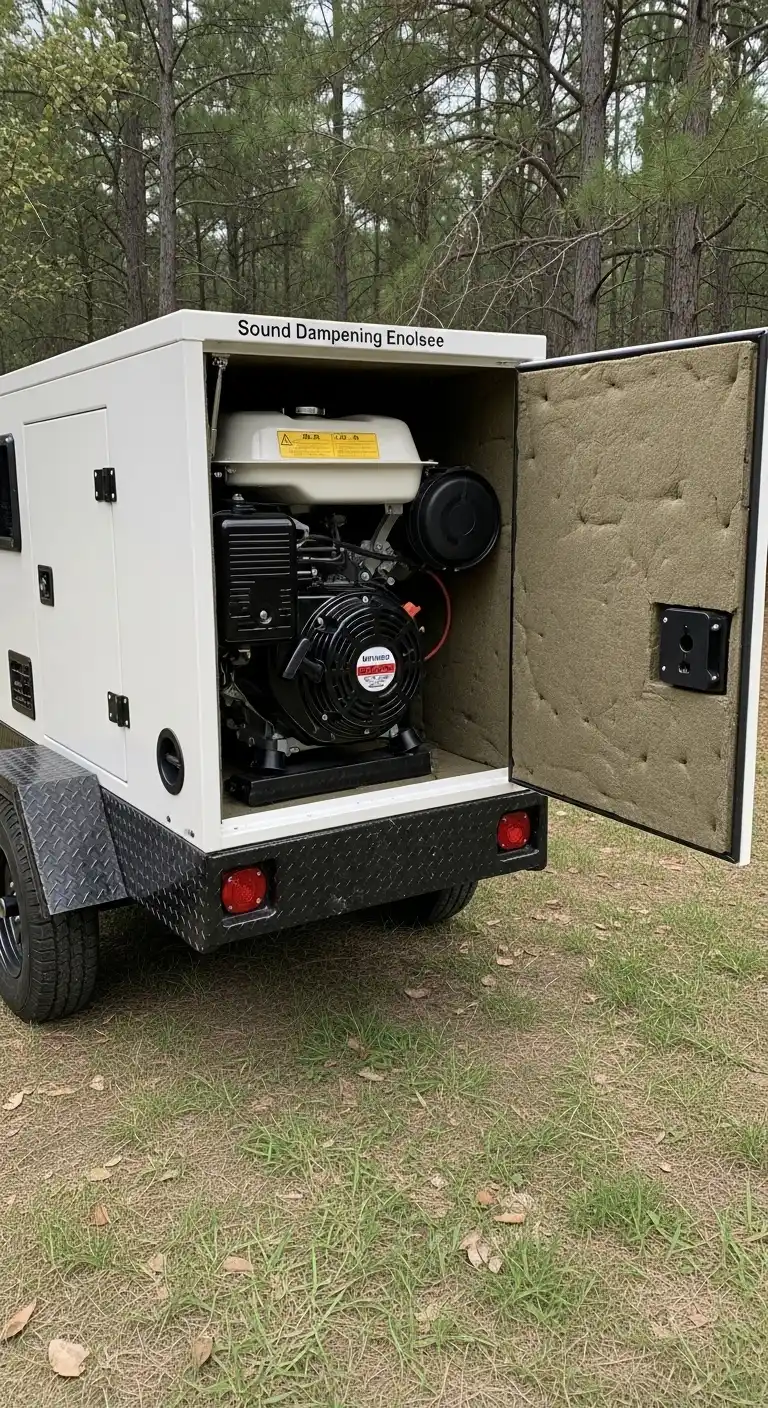
Sound-dampening enclosures are specifically designed to minimize generator noise during night-time operation, which is crucial in residential or camping areas.
These enclosures use dense insulation materials, such as acoustic foam or rubberized panels, to absorb sound waves and reduce operational decibels without restricting airflow.
Proper ventilation channels prevent engine overheating while ensuring that noise reduction does not compromise generator performance or safety.
Many sound-dampening units also include doors or removable panels, allowing easy access for refueling, maintenance, and quick inspection during operation.
For anyone who values quiet operation without sacrificing protection, sound-dampening enclosures provide a reliable solution for nighttime or noise-sensitive environments.
Modular Enclosure Systems
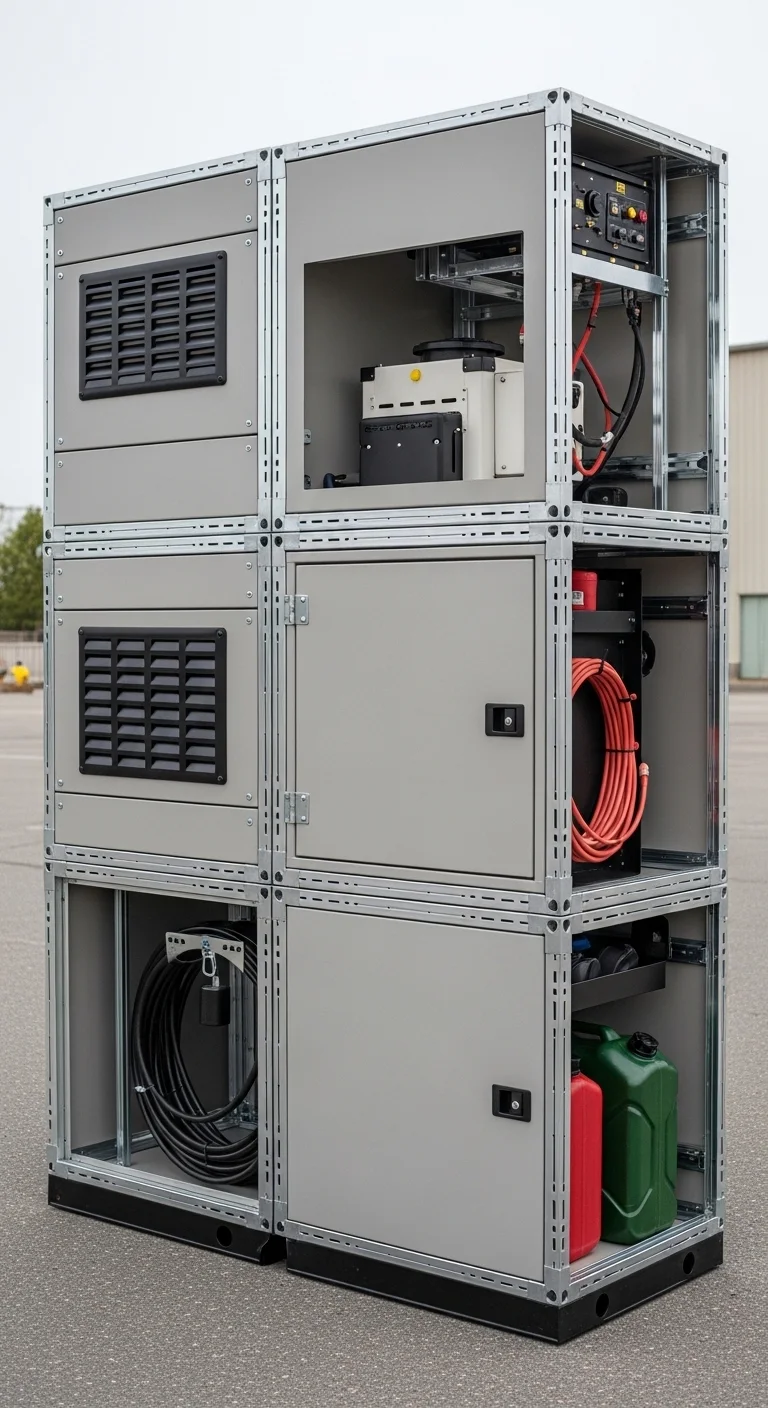
Modular enclosures allow users to expand or customize their generator housing according to size, storage needs, or specific operational requirements.
These systems often feature interlocking panels or stackable components that make installation and upgrades simple while maintaining durability and proper airflow.
Modular designs can incorporate ventilation, noise reduction, security locks, and even storage compartments for cables, fuel cans, or tools, depending on the user’s setup.
This flexibility makes modular enclosures ideal for construction projects, seasonal use, or locations where generator requirements may change over time.
By combining customization, protection, and accessibility, modular enclosures offer a versatile and practical solution for a wide range of generator applications.
Eco-Friendly Enclosures
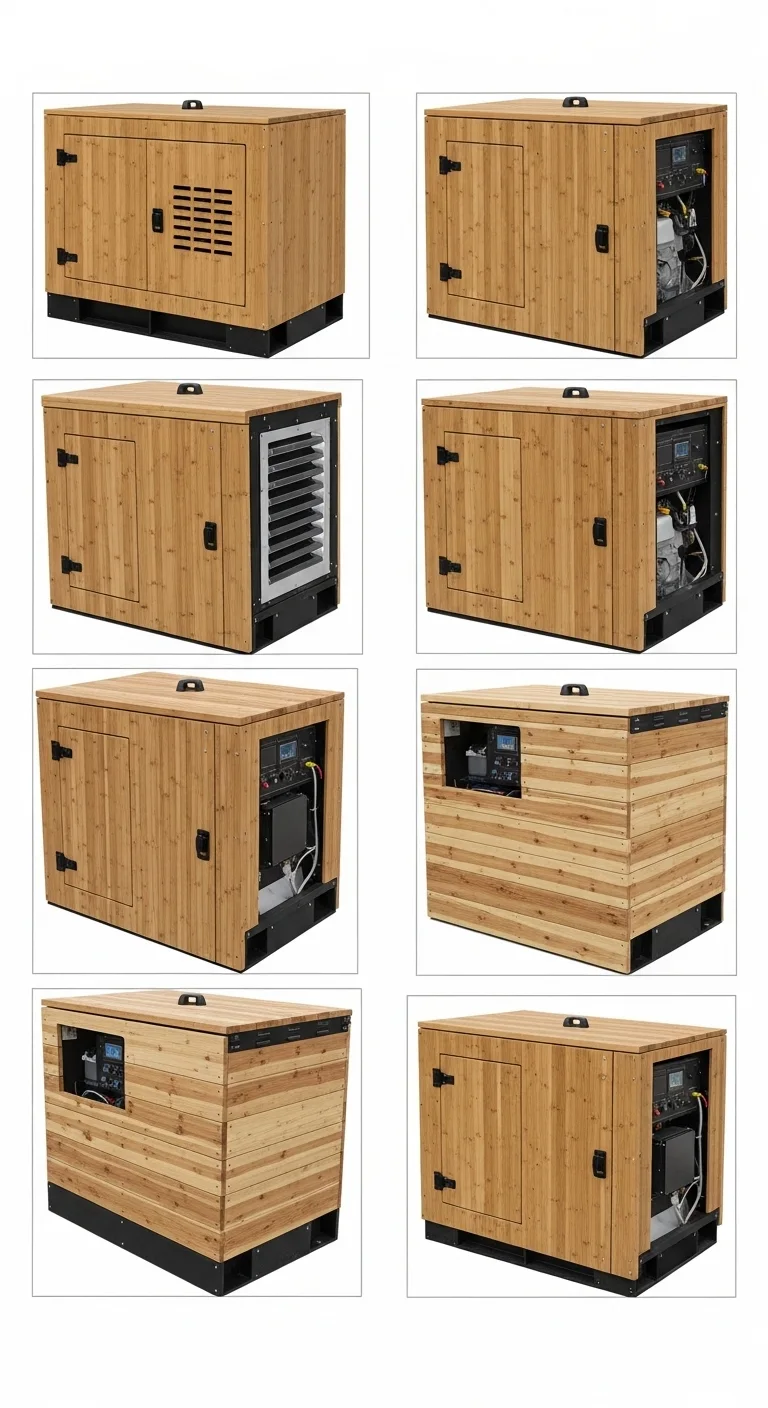
Eco-friendly enclosures focus on sustainability by using recycled, renewable, or environmentally conscious materials without compromising generator safety or durability.
Materials may include recycled plastics, bamboo composites, or sustainably sourced wood, providing protection from weather, debris, and operational hazards.
Many designs incorporate energy-efficient features such as passive ventilation, solar-powered cooling, or lightweight construction that reduces the environmental footprint.
These enclosures are ideal for users who prioritize sustainability while maintaining generator efficiency, safety, and ease of maintenance.
Eco-friendly solutions demonstrate that reliable generator protection can align with environmentally responsible practices, combining performance with conscious design choices.
Maintenance Tips for Generator Enclosures
Regular maintenance ensures your generator enclosure continues to protect the unit effectively while extending its lifespan.
Check vents and openings periodically to remove dust, debris, or cobwebs that could restrict airflow and cause overheating.
Clean exterior surfaces to prevent corrosion, mold, or weather-related damage, especially for metal or wooden enclosures exposed to outdoor conditions.
Inspect structural components, locks, and seals to confirm they remain secure, functional, and weather-tight, reducing the risk of damage or theft.
Seasonal maintenance, such as applying weatherproofing treatments or lubricating moving parts, helps your enclosure remain reliable throughout the year.
Innovative Trends in Generator Enclosures
Modern generator enclosures are incorporating advanced technologies, such as remote monitoring, smart ventilation, and improved soundproofing designs.
Some units include solar-powered fans to enhance airflow without using extra fuel, while others integrate acoustic panels for maximum noise reduction in residential areas.
Modular, lightweight, and eco-friendly materials are becoming more common, allowing users to combine sustainability, portability, and functionality in one package.
These innovations demonstrate how generator enclosures are evolving to meet safety, environmental, and convenience needs while maintaining performance and protection.
Staying informed about new trends helps users choose enclosures that combine durability, efficiency, and innovative features effectively.
Final Wrap-Up
Choosing the right generator enclosure for portable generators ensures safety, protection, noise reduction, and long-term reliability, regardless of your setup.
From heavy-duty metal sheds to portable tents and eco-friendly designs, there are options to match every need, space, and budget.
Regular maintenance and careful selection based on ventilation, size, and material further enhance the generator’s performance and lifespan.
By exploring 13 different enclosures, users can make informed decisions that balance functionality, security, and convenience while protecting their investment.
Ultimately, investing in a well-designed generator enclosure guarantees reliable operation, peace of mind, and optimized generator performance for years to come.