15 Smart Generator Shelter Ideas for Any Backyard
A generator is a lifesaver during power outages—but only if stored safely. These generator shelter ideas show how to protect, organize, and access your equipment easily, whether with a small DIY setup or a full backyard shelter.
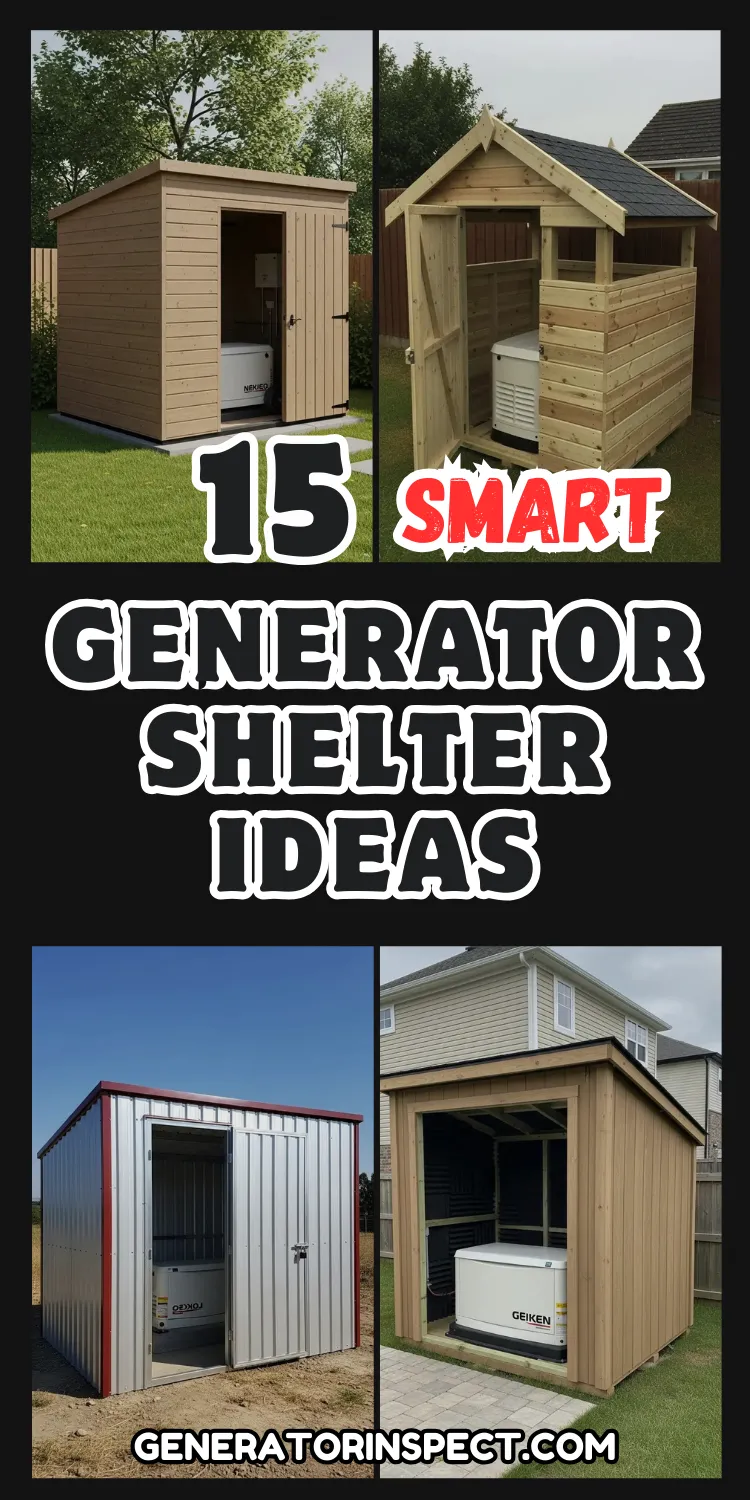
When I first bought a standby generator, I was excited about never losing power again—but quickly realized I had no idea where to put it.
Leaving it out in the open felt risky. Rain, snow, curious neighbors, and even the occasional squirrel made me nervous. That’s when I started exploring generator shelters.
I learned that a well-planned shelter does more than protect your equipment—it reduces noise, keeps neighbors happy, and even extends your generator’s lifespan.
From my own experience, a simple wooden or metal structure can make a huge difference. With the right setup, your generator can sit quietly, ready to power your home when you need it most.
By the end of my project, I realized that building a generator shelter isn’t just practical—it’s a small DIY win that gives peace of mind and adds a touch of organization to your outdoor space. Below, I’ll share practical ideas and tips for creating your own generator haven.
Contents
Why You Need a Proper Generator Shelter
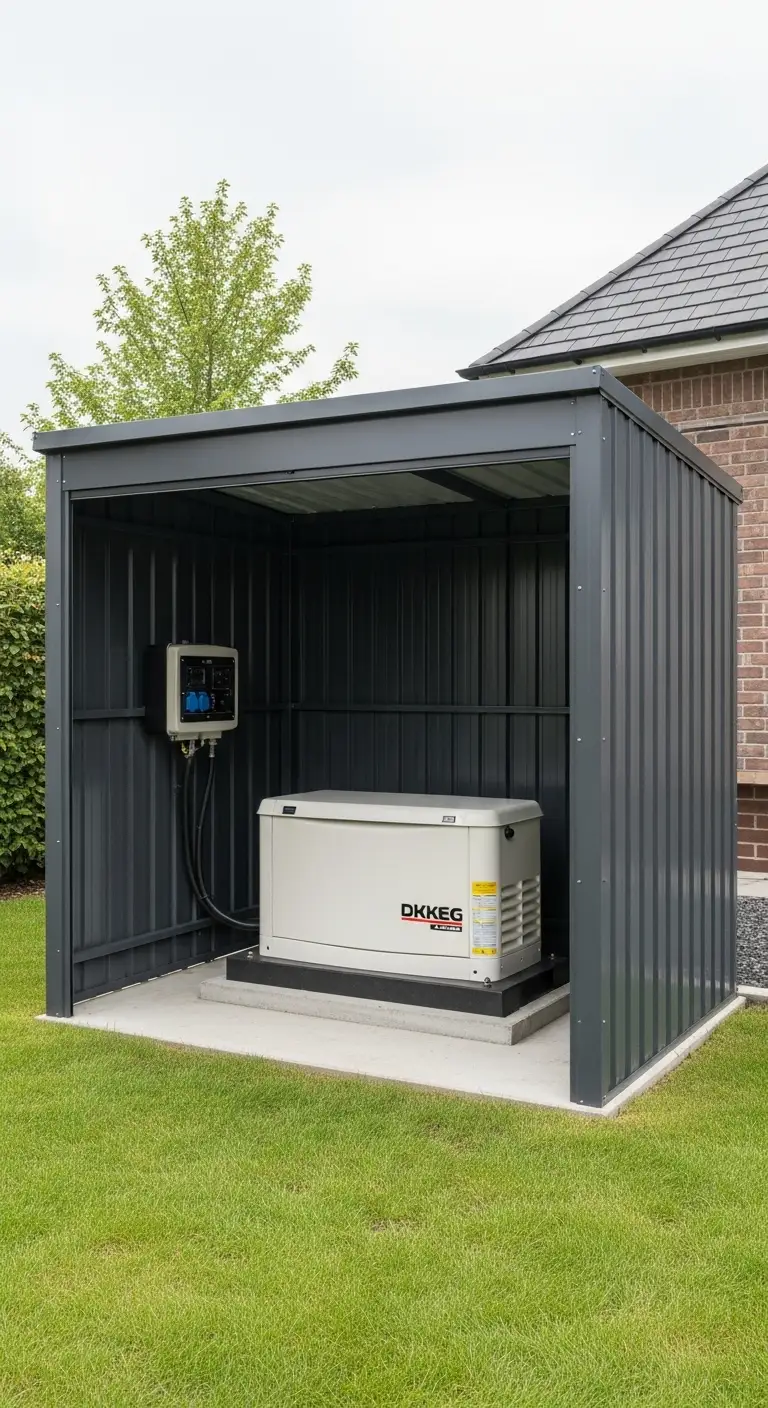
Leaving a generator exposed to outdoor elements can significantly shorten its lifespan. Rain, snow, and extreme temperatures can damage internal components, leading to frequent repairs and higher maintenance costs.
Additionally, generators produce noise that can disturb your household or neighbors if not properly enclosed.
A dedicated generator shelter provides a controlled environment, keeps your generator secure, and reduces noise levels without compromising accessibility for maintenance or refueling.
Beyond functionality, well-designed shelters add aesthetic value to your outdoor space, blending seamlessly with gardens, patios, or garages while maintaining full protection for your equipment.
15 Generator Shelter Ideas
1. Compact Backyard Generator Shed
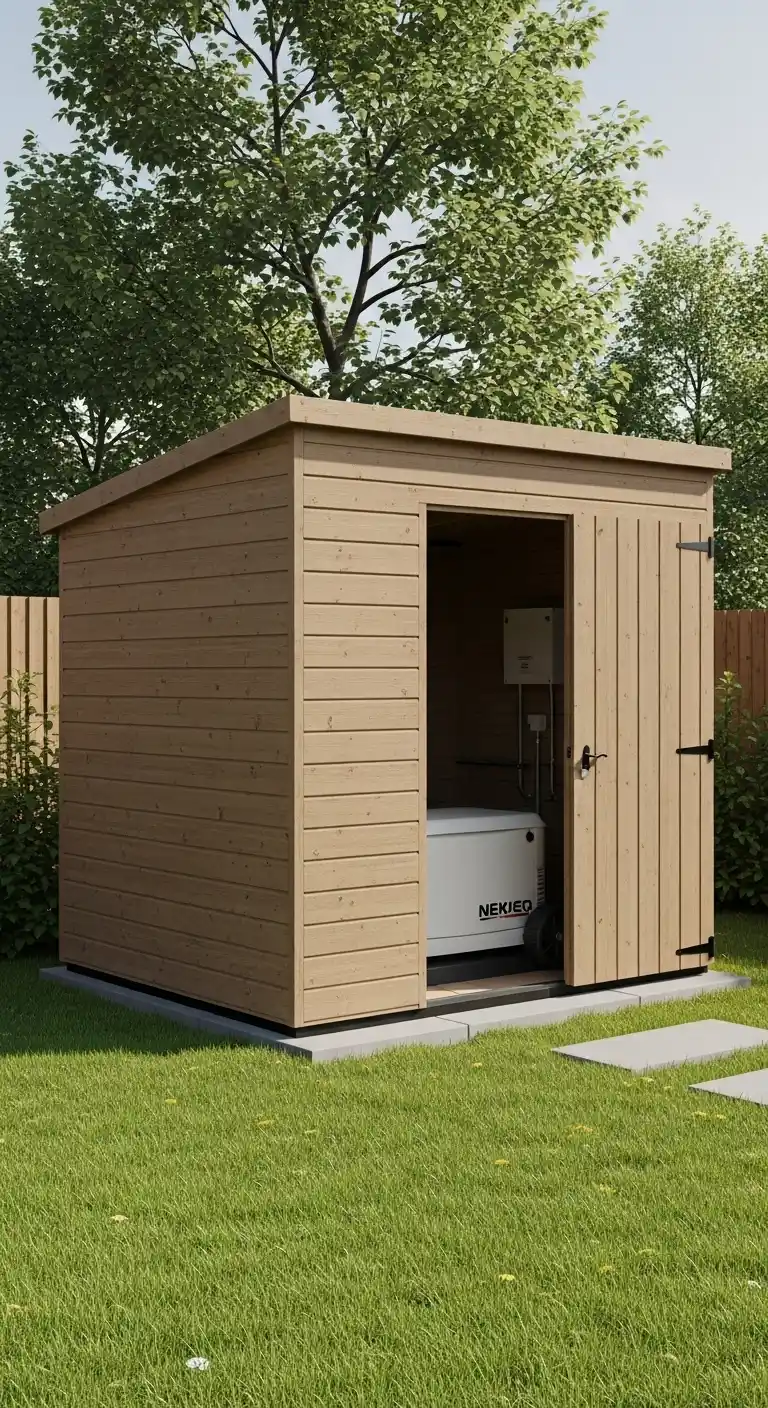
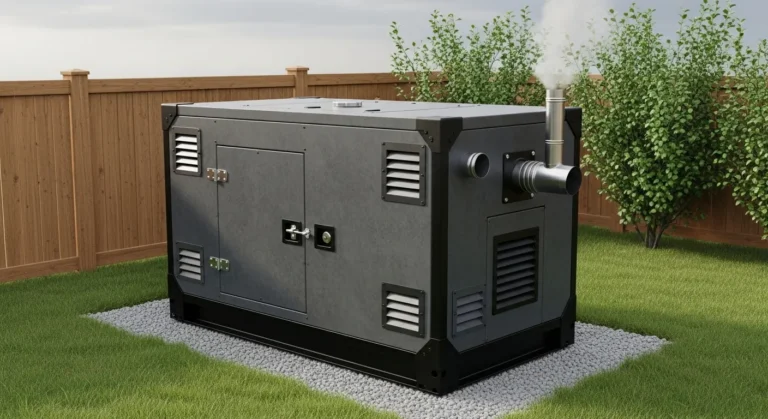
A compact backyard shed is a perfect solution for housing a generator while keeping it discreetly tucked away.
These sheds are designed to blend seamlessly with your garden, patio, or lawn without drawing unnecessary attention.
Despite their small size, they provide sufficient space for ventilation, maintenance access, and secure locking mechanisms.
Opting for weather-resistant materials, such as treated wood or composite panels, ensures your generator remains safe from rain, wind, and sunlight.
Additionally, small sheds can be equipped with noise-dampening features, making them ideal for residential areas where sound reduction is important.
With a compact backyard shed, homeowners can balance both functionality and aesthetics while keeping their generator accessible when needed.
2. DIY Wooden Enclosure
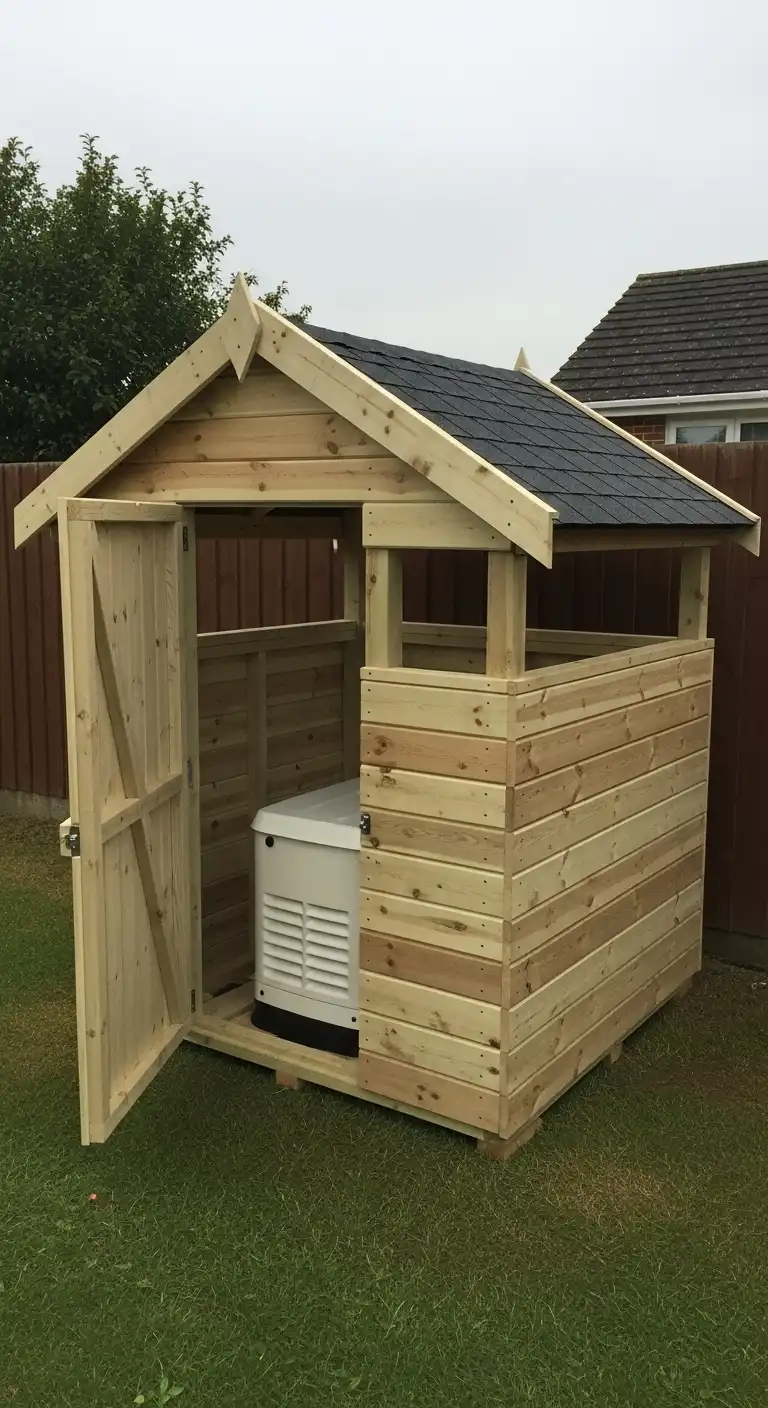
Building a DIY wooden enclosure allows you to customize the size, style, and functionality of your generator shelter.
Using treated or weather-resistant wood ensures durability against moisture, pests, and environmental wear over time.
You can design the enclosure with proper airflow to prevent overheating, while including doors or panels that make generator maintenance easy and safe.
Adding waterproof coatings, roofing shingles, or angled tops protects the generator from rain and snow while maintaining a visually appealing design.
DIY projects also allow flexibility in aesthetics, enabling the shelter to match other garden structures, fences, or outdoor décor.
This approach combines practicality, cost-efficiency, and creativity, giving you complete control over your generator’s protection and presentation.
3. Prefabricated Metal Shelter
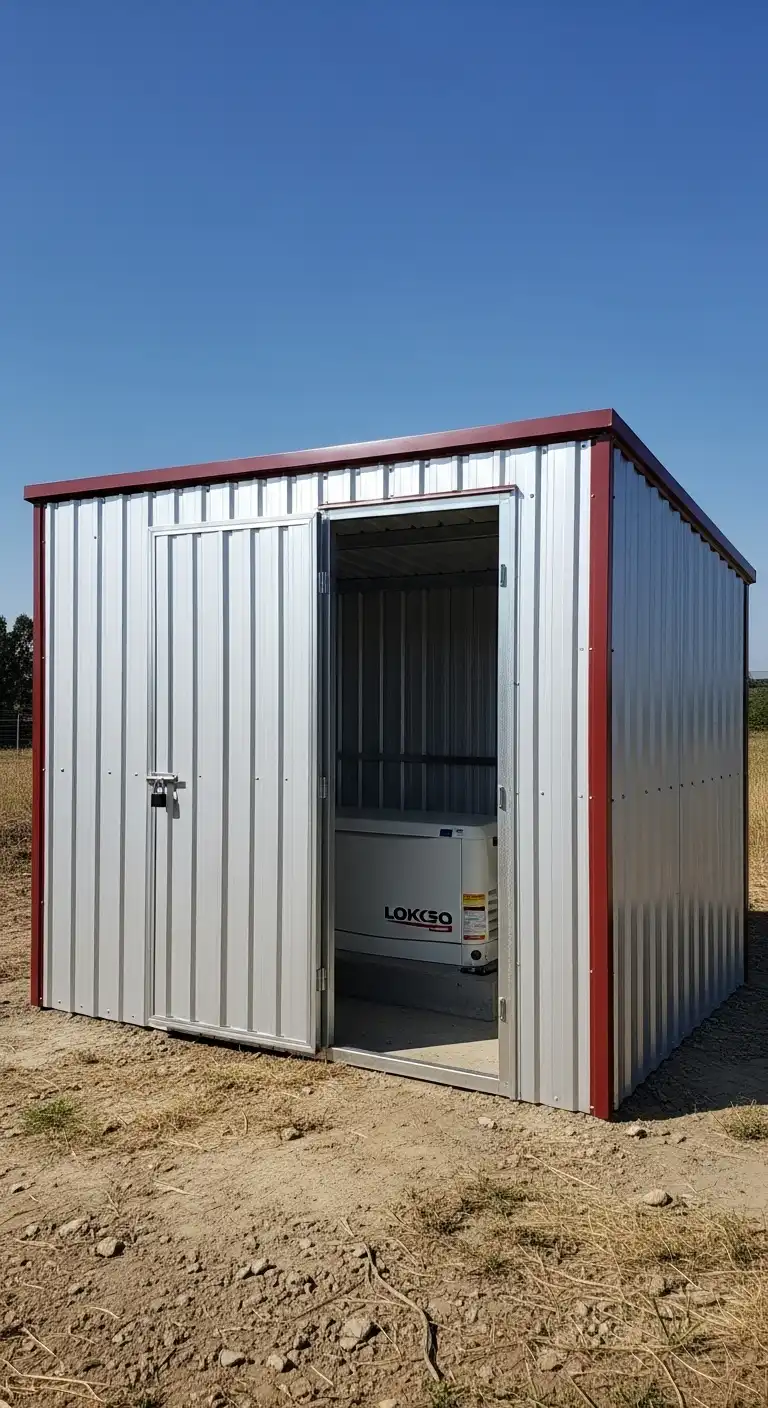
Prefabricated metal shelters offer a quick, durable, and low-maintenance solution for generator protection.
These shelters are typically made from steel or aluminum with rust-resistant coatings that withstand extreme weather conditions.
They come in various sizes and designs, allowing homeowners to choose the perfect fit for their generator without custom fabrication.
Lockable doors add a security layer, keeping the generator safe from theft or unauthorized access.
Metal shelters are also resistant to pests and fire hazards, offering long-term protection with minimal upkeep.
Choosing a prefabricated option saves construction time while providing reliable safety and ventilation for your equipment.
4. Soundproof Generator Shed
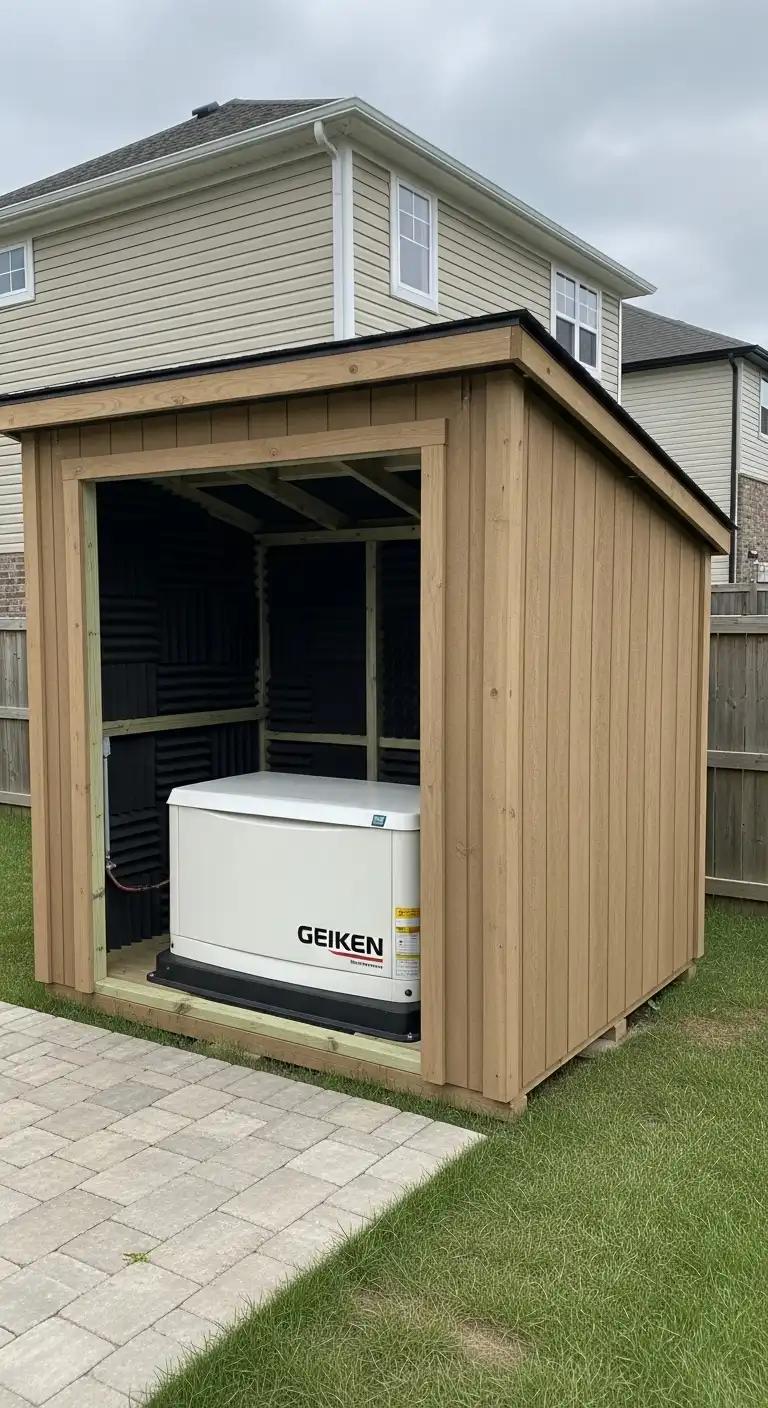
A soundproof generator shed is designed to minimize operational noise while maintaining proper ventilation and safety standards.
Specialized insulation panels can absorb the loud engine sounds, reducing noise pollution for nearby living spaces and neighbors.
Using materials such as acoustic foam, mass-loaded vinyl, or dense wooden panels ensures that sound is contained effectively without overheating the generator.
The design must include strategically placed vents to maintain airflow, preventing the generator from overheating while running for extended periods.
Additionally, soundproof sheds can be combined with stylish exterior finishes to blend seamlessly into backyard or patio environments.
This approach is ideal for residential areas where maintaining a quiet atmosphere is as important as protecting the generator itself.
5. Elevated Platform Shelter
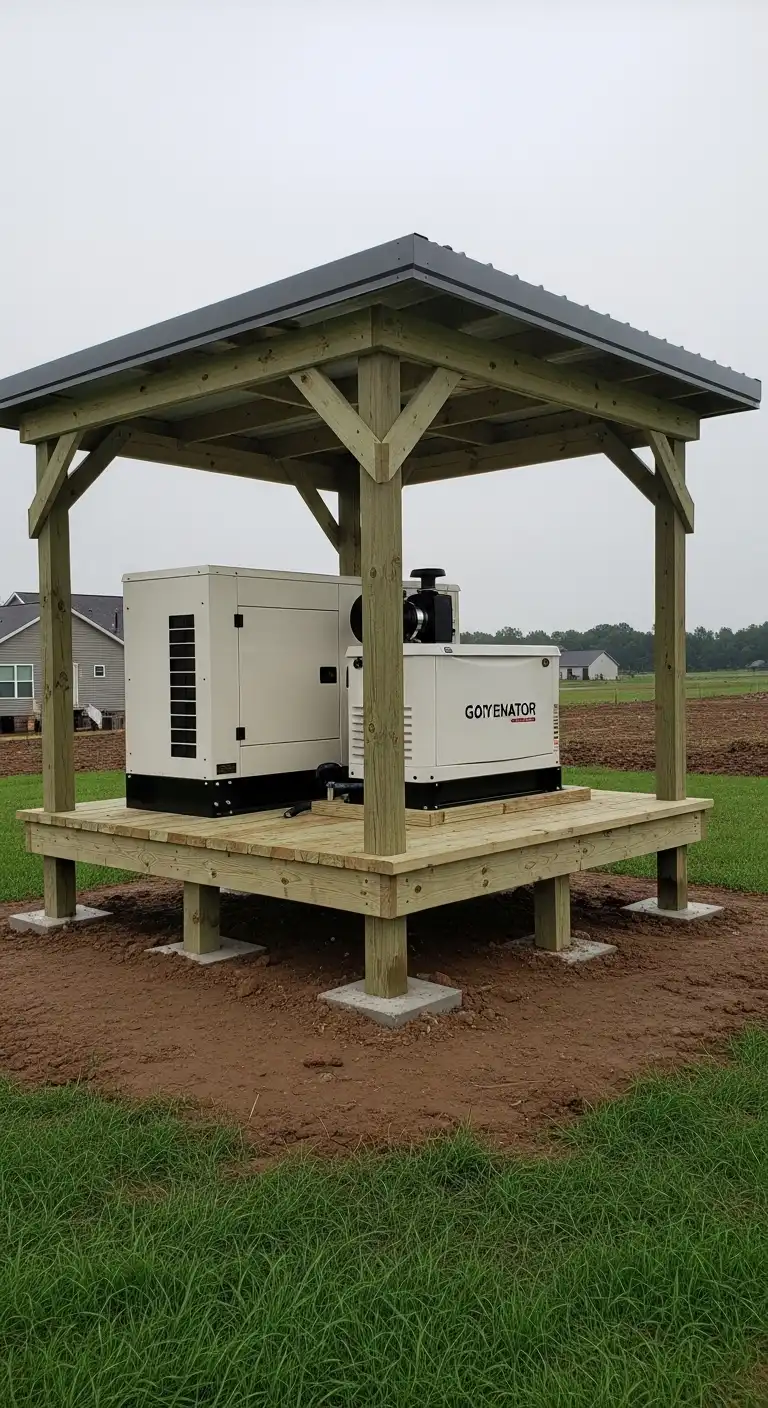
Raising your generator on an elevated platform protects it from flooding, damp soil, and excessive moisture during heavy rains.
Platforms can be constructed from treated wood, concrete, or metal to provide a stable and durable foundation for your generator.
Elevated designs also improve airflow around the unit, reducing the risk of overheating and extending its operational lifespan.
Adding a roof or partial enclosure above the platform shields the generator from sun, rain, and falling debris.
Elevated shelters combine practicality with safety, making them ideal for areas prone to water accumulation, while allowing easy access for maintenance or refueling.
This solution ensures your generator remains operational and secure under challenging environmental conditions.
6. Hidden Garden Generator Enclosure
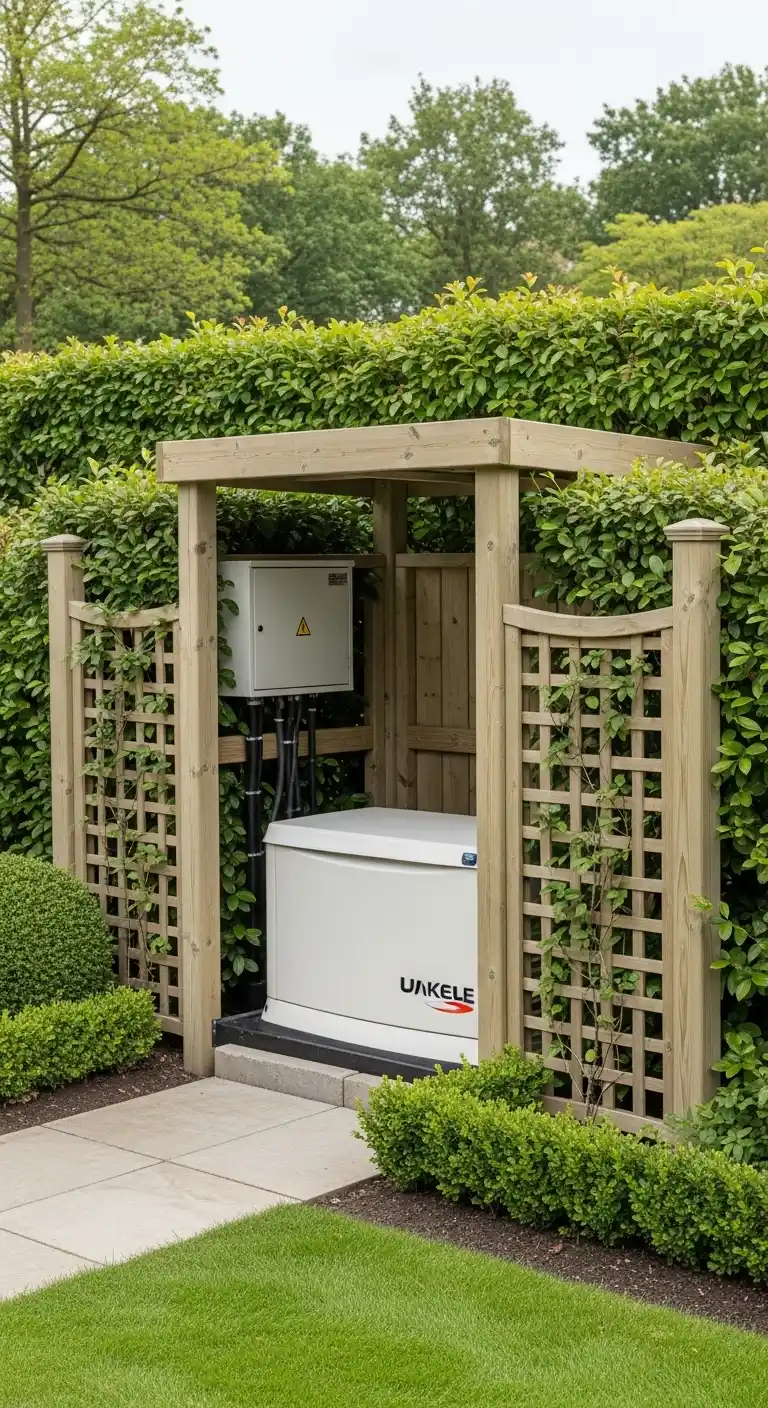
A hidden garden enclosure creatively conceals your generator while maintaining accessibility for maintenance and safety.
Using hedges, trellises, or decorative fencing can hide the shelter without restricting airflow or operational efficiency.
This approach integrates the generator into the landscape, creating a visually appealing outdoor space without obvious equipment clutter.
The shelter can include lockable doors or panels to ensure security, while still allowing quick access during emergencies or scheduled maintenance.
Choosing durable, weather-resistant materials ensures long-term protection, while the garden setting adds aesthetic charm and functionality.
Hidden enclosures are perfect for homeowners who want both safety and discretion in managing their generator units.
7. Portable Generator Box
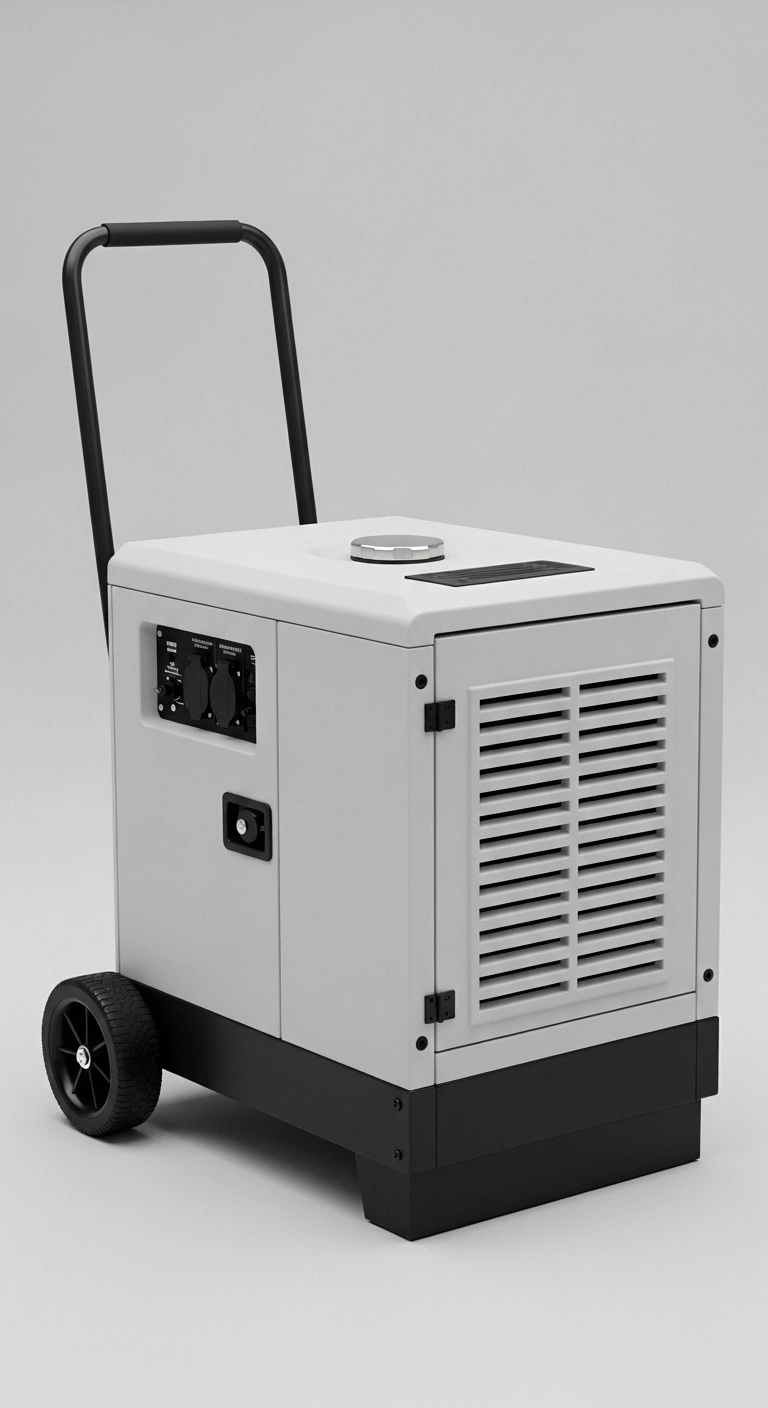
A portable generator box is ideal for renters, temporary setups, or homeowners who need flexibility in placement.
These lightweight enclosures can be moved as needed, providing protection against weather, dust, and debris while maintaining proper ventilation.
Portable boxes often include wheels or handles, making transportation easier without compromising generator security or stability.
Constructing them from durable materials like plastic or metal ensures resistance to corrosion, sunlight, and general wear over time.
Additionally, portable boxes allow users to position the generator where it is most convenient, while still maintaining safety and noise reduction.
This solution combines mobility with protection, offering practical flexibility for a variety of outdoor scenarios.
8. Modern Minimalist Shelter
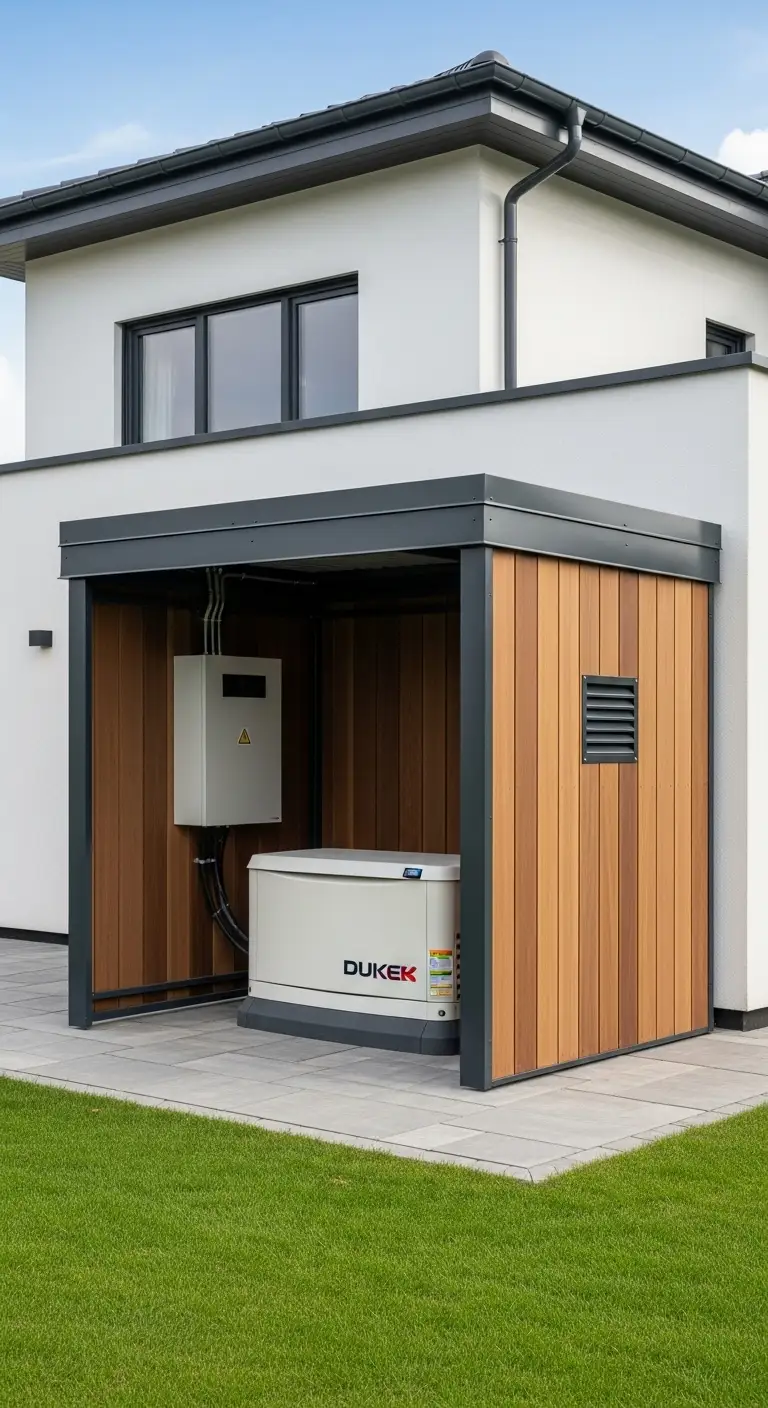
Modern minimalist generator shelters feature sleek lines, clean surfaces, and materials that complement contemporary home and garden designs.
These shelters often use composite panels, powder-coated metals, or treated wood for a polished, long-lasting finish.
Minimalist designs focus on functionality while reducing visual clutter, allowing the generator to blend seamlessly into the surrounding environment.
The shelter includes proper ventilation, noise reduction features, and security measures to ensure operational efficiency and safety.
This approach works well for homeowners who value aesthetics as much as practicality, combining protection with visually appealing outdoor design elements.
A minimalist shelter maintains equipment safety without compromising the beauty of outdoor spaces or modern architecture.
9. Outdoor Utility Shed Conversion
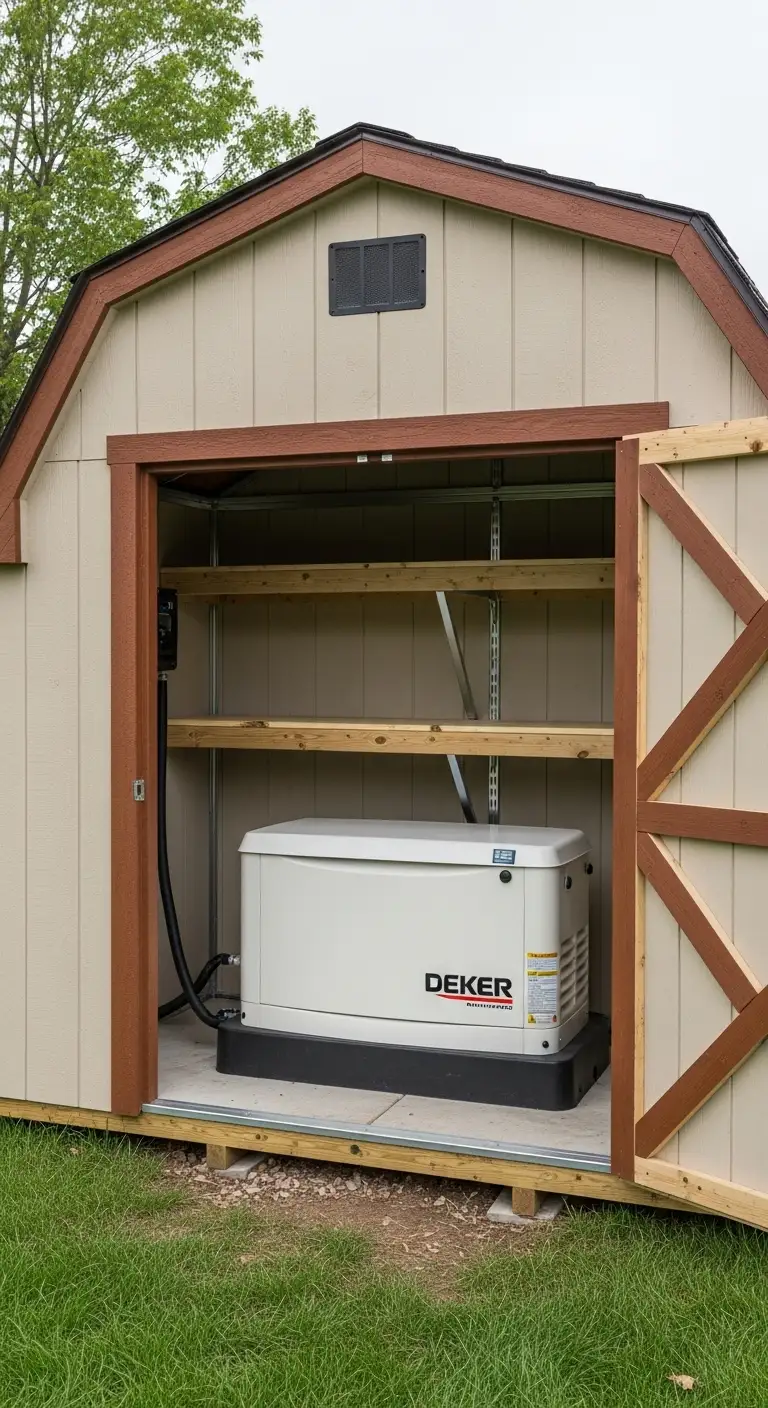
Converting an existing outdoor shed into a generator shelter saves space and reduces costs while providing reliable protection.
Ensure the shed includes proper ventilation, secure doors, and fire-resistant materials to maintain safety and operational efficiency.
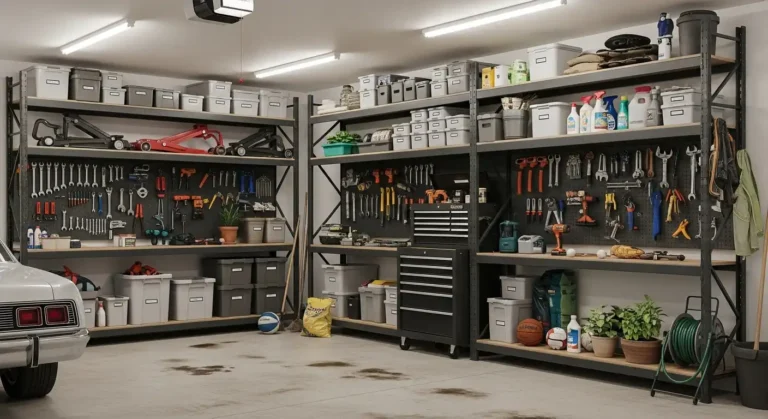
You can install shelves or partitions to separate generator equipment from stored tools or garden items, reducing fire hazards and clutter.
Adding insulation, waterproofing, or angled roofing improves performance and durability against rain, snow, and wind.
This solution is practical, budget-friendly, and environmentally conscious, repurposing an existing structure while keeping the generator safe and accessible.
Converting a shed combines creativity with efficiency, providing both protection and usability in a single outdoor space.
10. Weatherproof Plastic Enclosure
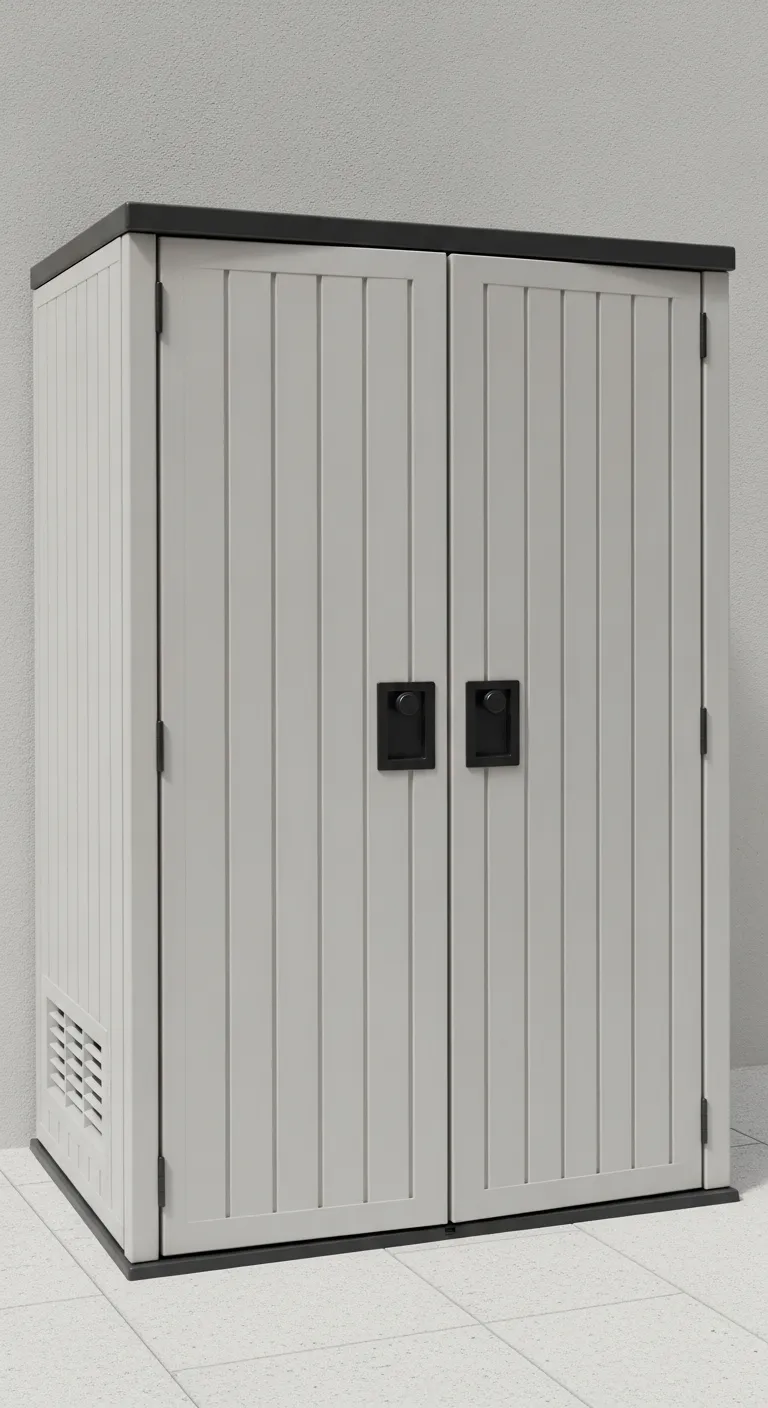
Weatherproof plastic enclosures are lightweight, durable, and resistant to moisture, rust, and UV damage.
These enclosures are ideal for homeowners looking for low-maintenance solutions that still provide full generator protection.
Many designs include locking doors, ventilation openings, and drainage channels to prevent water accumulation around the unit.
Plastic enclosures also resist corrosion, insect damage, and mold growth, extending the generator’s lifespan with minimal upkeep.
They are available in a variety of sizes, making it easy to find the perfect fit for small or mid-sized generators.
This practical solution combines affordability, durability, and protection, making it a convenient option for everyday generator storage needs.
11. Roofed Pergola Shelter
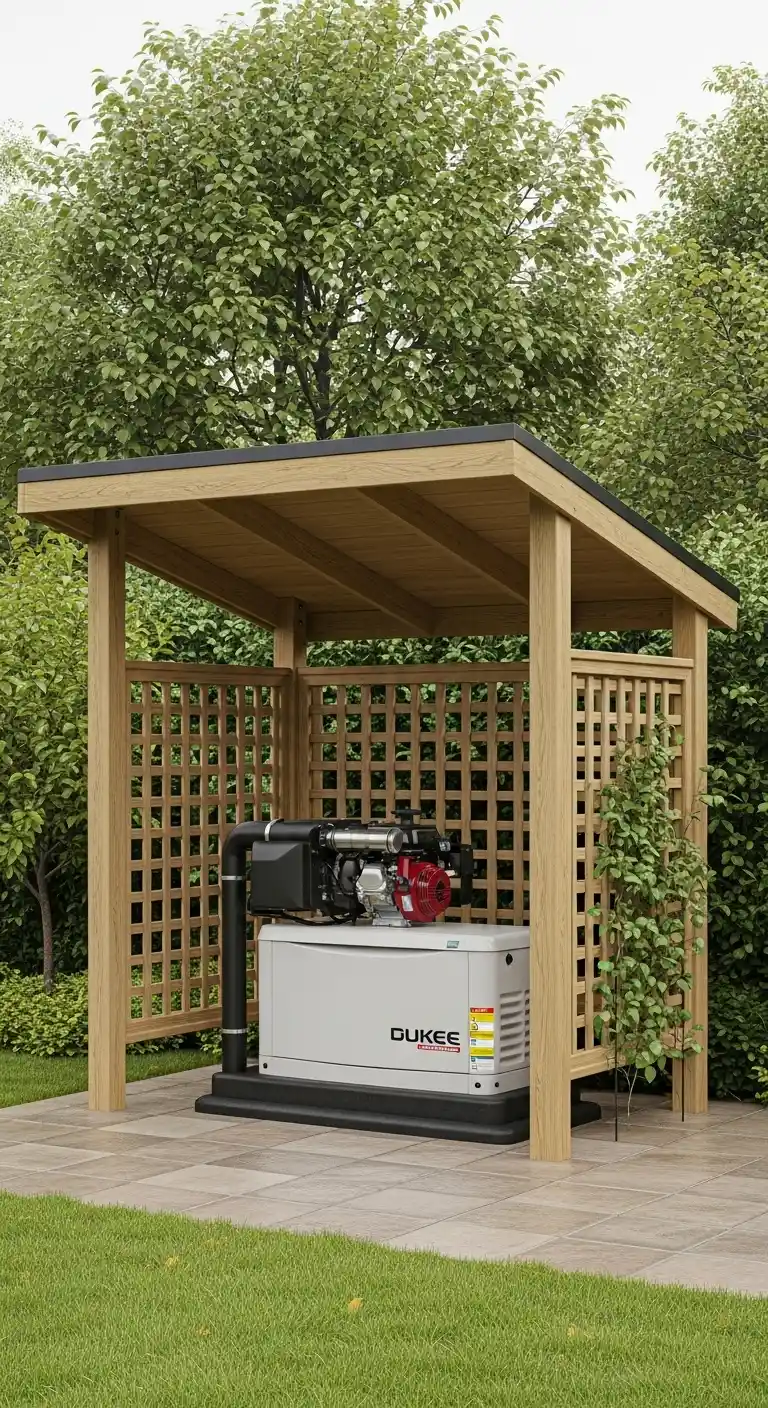
A roofed pergola shelter combines open-air design with overhead protection, allowing your generator to remain functional while reducing exposure to rain and sunlight.
Side panels or lattice structures can shield the generator from wind and debris without obstructing airflow or accessibility.
This design provides partial weatherproofing while enhancing backyard aesthetics, blending outdoor utility with decorative features like climbing plants or trellises.
Proper ventilation ensures the generator does not overheat, while a sturdy roof protects the engine and electrical components from environmental damage.
Roofed pergola shelters work best for homeowners seeking a stylish solution that integrates seamlessly with garden or patio design, offering both form and function.
12. Garage Corner Generator Nook
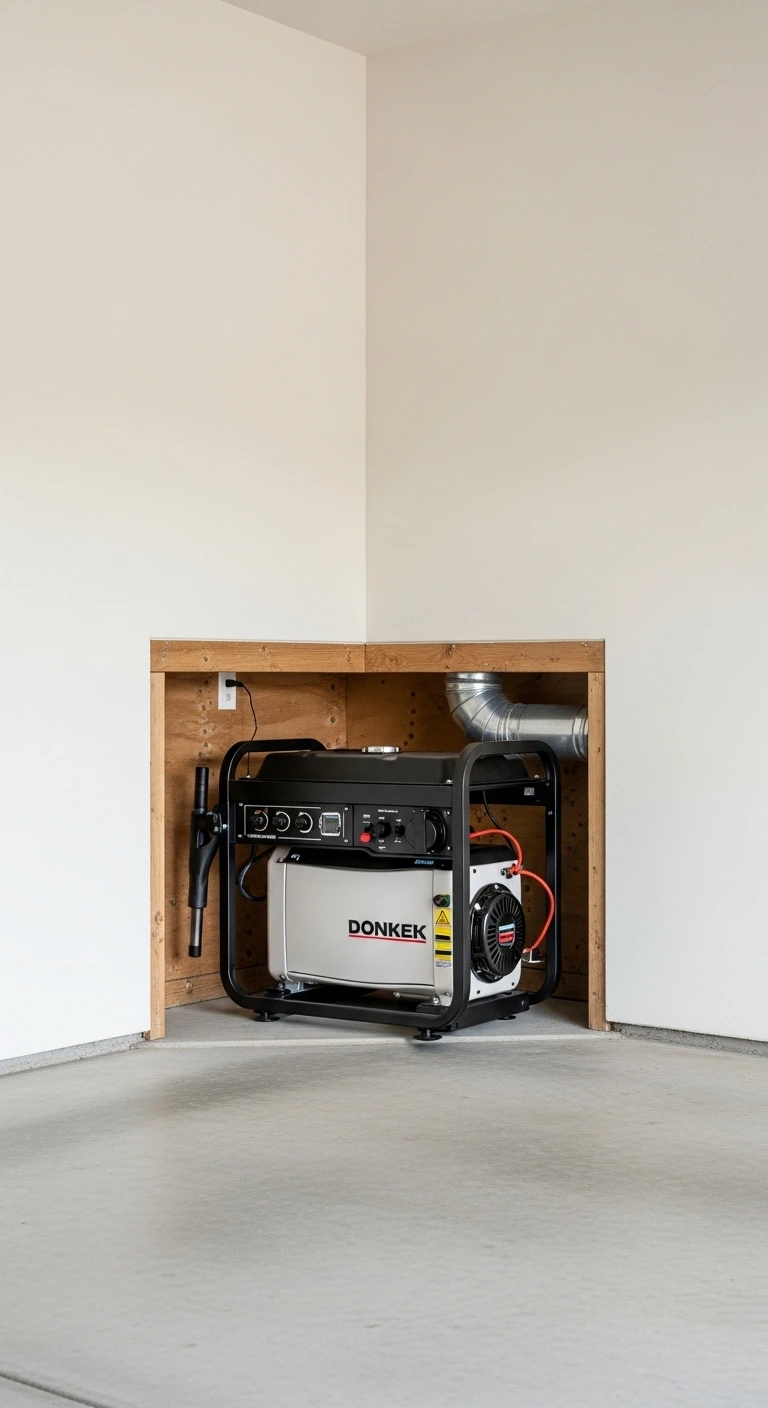
Utilizing an unused corner in your garage as a generator nook offers indoor protection while maximizing available space efficiently.
Proper placement ensures sufficient clearance for ventilation, easy access for refueling, and separation from flammable materials to reduce fire risk.
Adding a small partition or enclosure around the generator can reduce noise and prevent accidental contact while maintaining full functionality.
This approach keeps the generator secure and protected from weather while allowing convenient indoor storage for year-round use.
Garage corner nooks are ideal for homeowners seeking practical indoor solutions without constructing new outdoor structures or shelters.
13. Fire-Resistant Concrete Shelter
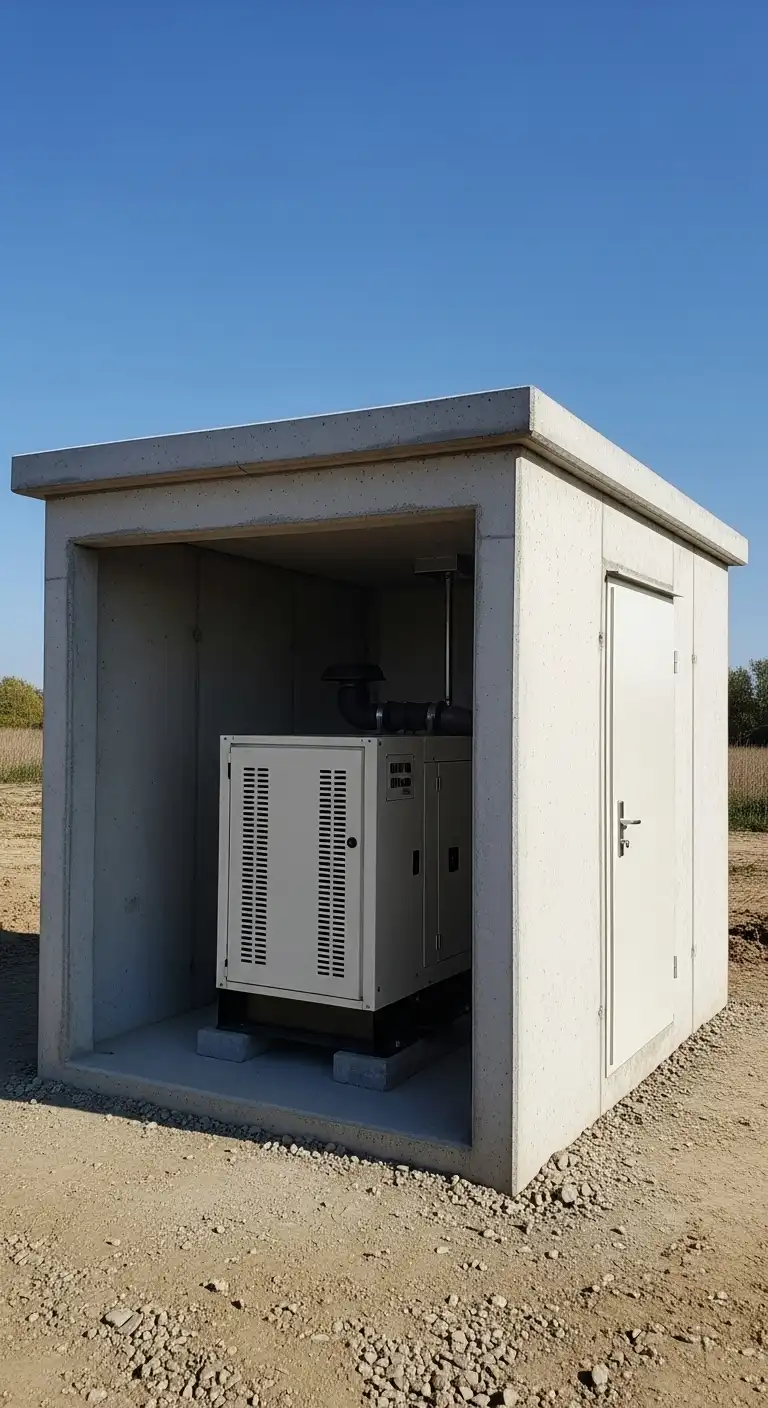
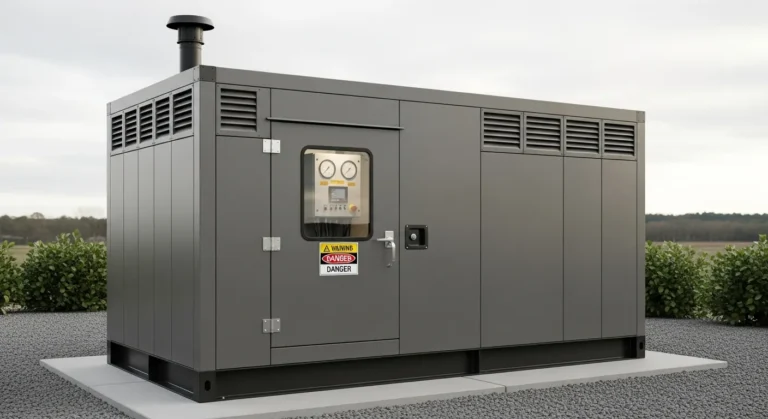
A fire-resistant concrete shelter provides maximum safety for high-capacity generators or areas prone to fire hazards.
Concrete walls resist heat, sparks, and weather-related damage, keeping the generator secure under extreme conditions.
Designs can include ventilation channels, drainage systems, and lockable doors for easy maintenance and operational safety.
These shelters are durable, low-maintenance, and highly secure, making them suitable for both residential and commercial generator setups.
Fire-resistant concrete enclosures combine safety, longevity, and reliability while protecting your investment from environmental and operational risks.
14. Sliding Door Generator Box
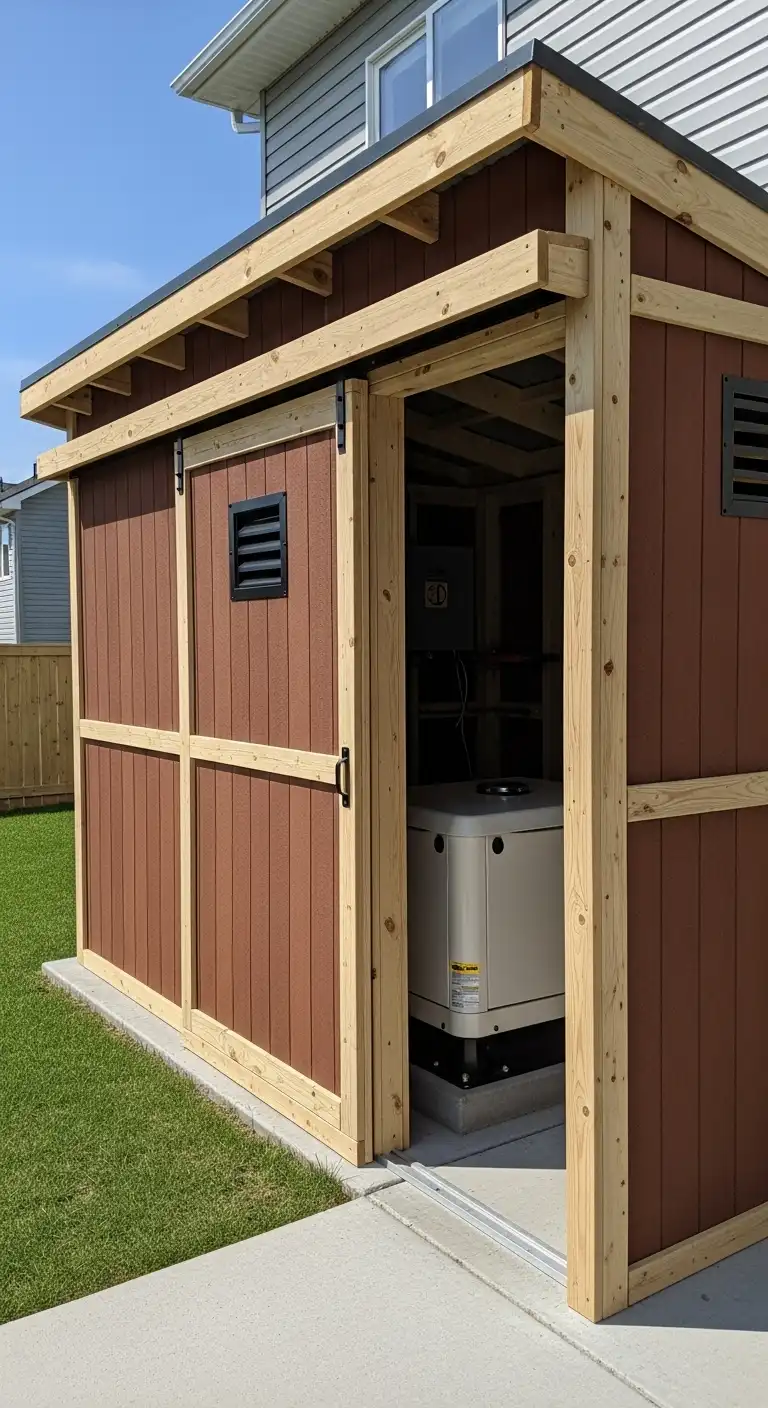
A sliding door generator box is a space-saving solution that provides easy access without requiring additional clearance for swinging doors.
This design allows safe and convenient maintenance, refueling, and inspection while maintaining protection against weather and debris.
Using durable materials such as treated wood, composite panels, or metal ensures long-term resistance to moisture, pests, and sunlight.
Ventilation openings are critical in sliding door shelters to prevent overheating while keeping operational noise low.
Sliding door boxes are practical for compact areas, garages, or patios where maximizing usable space is a priority without compromising safety or accessibility.
15. Multi-Purpose Outdoor Cabinet
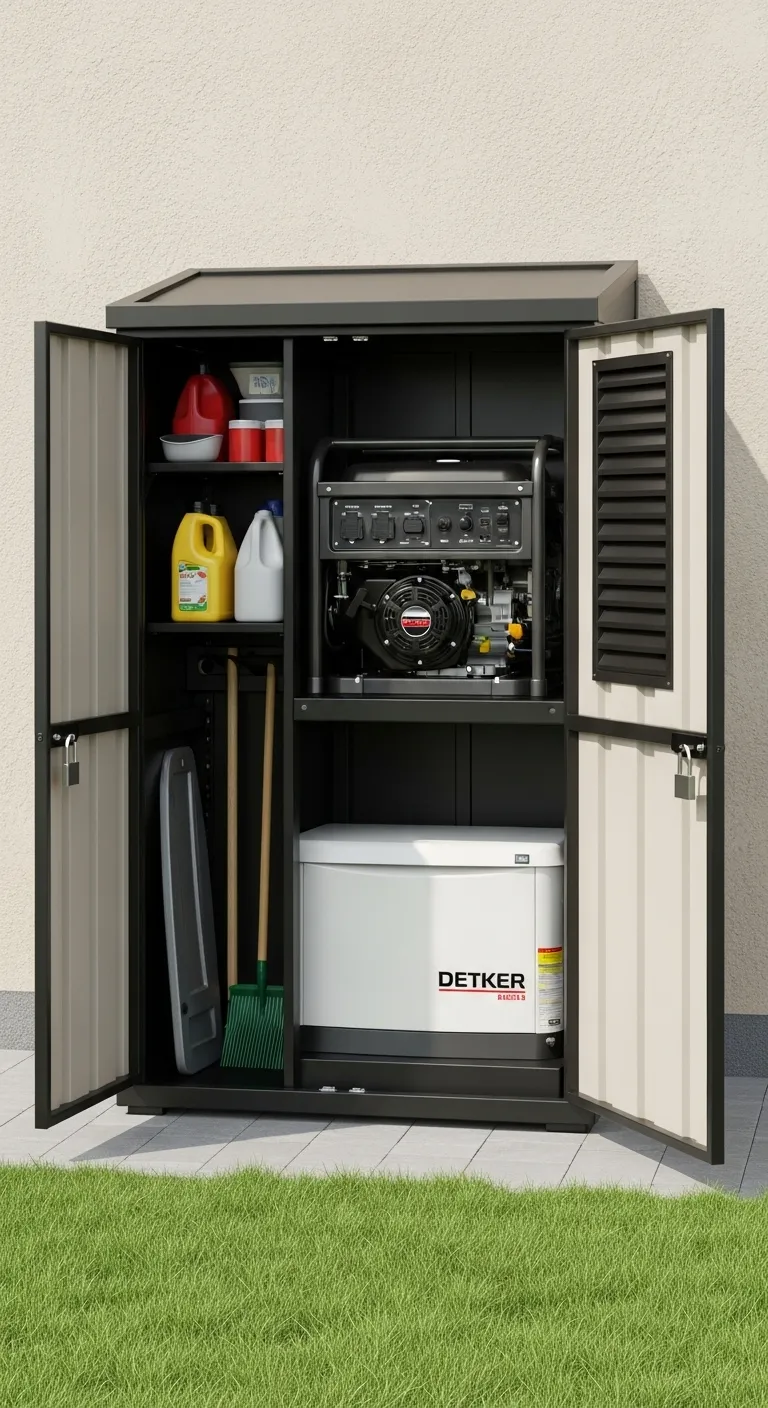
A multi-purpose outdoor cabinet combines generator storage with additional space for tools, garden equipment, or emergency supplies.
Properly designed compartments separate the generator from stored items to avoid fire hazards, while allowing easy access for maintenance and operation.
Weatherproof materials and lockable doors protect both the generator and stored items from rain, sun, and pests.
Adequate ventilation ensures generator performance is not compromised, while durable construction provides long-term protection and usability.
This solution is ideal for homeowners seeking both functionality and organization, maximizing outdoor space without sacrificing generator safety or efficiency.
Tips for Maintaining Your Generator Shelter
Regular maintenance ensures your generator shelter continues to protect your equipment effectively and extends its operational lifespan.
Check for water accumulation, rust, or insect activity periodically, and address any issues promptly to prevent damage.
Clean ventilation openings and ensure airflow remains unobstructed to prevent overheating or inefficient operation.
Seasonal tasks, such as snow removal, debris clearing, and protective coatings, help maintain durability and safety.
Scheduling inspections and minor repairs proactively minimizes costly emergencies while keeping your generator ready for use during power outages.
Safety Considerations for Generator Shelters
Proper safety measures are critical to protect your home, generator, and surrounding areas from hazards like fire or carbon monoxide exposure.
Keep shelters well-ventilated, maintain a safe distance from flammable materials, and install the generator according to manufacturer guidelines.
Lockable doors and restricted access prevent accidental injuries and unauthorized use while keeping the generator secure from theft.
Fire extinguishers and carbon monoxide detectors nearby add extra safety layers for emergencies or prolonged operation.
Regular safety checks, combined with proper installation and maintenance, ensure your generator operates efficiently while minimizing risks.
Key Takeaways
Selecting the right generator shelter combines practicality, aesthetics, and safety to protect your equipment effectively.
From compact sheds and DIY wooden enclosures to fire-resistant concrete shelters, there are solutions suitable for every space, budget, and design preference.
Prioritize ventilation, accessibility, and durable materials to maintain generator performance and operational safety over the long term.
Regular maintenance, proper installation, and thoughtful planning help ensure your generator remains reliable while minimizing noise, weather exposure, and security risks.
Choosing a shelter that fits both your generator size and outdoor environment maximizes functionality while enhancing the overall appearance of your property.