
How to Elevate a Generator?
Elevating a generator is important for several reasons, primarily related to protecting the generator and ensuring its reliable operation, especially in areas prone to adverse environmental conditions such as flooding.
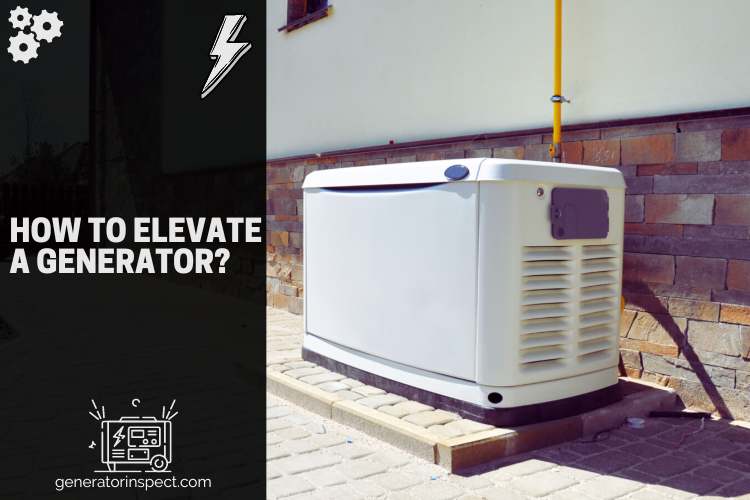
How to Elevate a Generator? To elevate a generator, choose a stable location with good ventilation. Gather equipment like a platform, leveling tools, and straps. Prepare the area by clearing debris and leveling the ground. Install the platform and position the generator on it. Secure the generator with straps or chains. Test stability, and make adjustments if necessary. Connect utilities and test the generator for proper operation.
See Also: How to Know Power Is Back When Using Generator?
How to Elevate a Generator: Ensuring Safety and Efficiency
In this guide, we will explore the importance of elevating a generator, the factors to consider when choosing a suitable location, and the step-by-step process of safely elevating a generator.
Why Elevate a Generator?
Elevating a generator offers several advantages, including:
Protection from flooding
One of the primary reasons for elevating a generator is to safeguard it from potential water damage during heavy rains or flooding.
Placing the generator on an elevated platform or platform mounts can help prevent water from reaching critical components and ensure uninterrupted operation.
Improved airflow
Proper airflow is vital for the cooling and efficient functioning of a generator. By elevating the generator, you can create a more open space around it, allowing for better ventilation and reducing the risk of overheating.
Accessibility for maintenance
Raising the generator to a suitable height makes it easier to access for routine maintenance and repairs. This can save time and effort when performing tasks such as oil changes, filter replacements, or general inspections.
Choosing the Right Location
When selecting a location for your elevated generator, consider the following factors:
Stability
Ensure that the ground or surface where the generator will be placed is stable and capable of supporting its weight. Uneven or soft ground can lead to instability and potential damage to the generator. Concrete pads or sturdy platforms are often recommended for a stable foundation.
Distance from buildings and structures
Maintain a safe distance from buildings, walls, and other structures to allow for proper ventilation and exhaust dispersion. This prevents exhaust fumes from accumulating near occupied spaces and reduces the risk of carbon monoxide poisoning.
Accessibility
Opt for a location that provides easy access for refueling, maintenance, and repairs. Adequate space around the generator will facilitate movement and ensure safety during these activities.
Adequate clearance
Check local building codes and regulations to determine the required clearance around the generator. This includes both vertical and horizontal clearance to allow for safe operation and compliance with safety standards.
3. Step-by-Step Process
Follow these steps to safely elevate your generator:
1. Gather the necessary equipment
You will need a suitable platform or mount, concrete blocks or pads, leveling tools, and heavy-duty straps or chains for securing the generator.
2. Prepare the location
Clear the area of any debris or obstacles that may interfere with the installation process or generator operation. Ensure the ground is level and stable.
3. Install the platform
If you are using a pre-built platform, follow the manufacturer’s instructions for installation. If you are constructing a platform, ensure it is solid, level, and capable of supporting the generator’s weight. Use concrete blocks or pads as necessary to create a stable foundation.
4. Position the generator
Carefully place the generator onto the platform, ensuring it is centered and level. Use leveling tools to ensure accuracy.
5. Secure the generator
Attach heavy-duty straps or chains to the generator and anchor them securely to the platform. This prevents the generator from shifting or falling off during operation or transportation.
6. Test the stability
Give the generator a gentle shake to confirm that it is securely positioned and stable on the elevated platform. Make any necessary adjustments to ensure proper alignment.
7. Connect utilities
Connect the necessary fuel lines, exhaust pipes, and electrical cables to the generator according to the manufacturer’s instructions. Ensure that all connections are secure and properly sealed.
8. Test the generator
Start the generator and test its operation to verify that it is functioning correctly. Monitor for any unusual vibrations or noises that may indicate instability or improper installation.
Conclusion
Elevating a generator is a crucial step in ensuring its safety, efficiency, and longevity. By protecting it from flooding, improving airflow, and enabling easy access for maintenance, you can maximize the performance and reliability of your generator.
Remember to choose a suitable location, follow the step-by-step process, and adhere to local codes and regulations. With proper elevation, your generator will be well-prepared to provide reliable power when you need it most.
Read Also: How to Flash a Generator with a Battery?


