How to Install a Backup Generator at Home?
In today’s world, where power outages have become more frequent due to extreme weather events and other unforeseen circumstances, investing in a backup generator is a wise decision for homeowners.
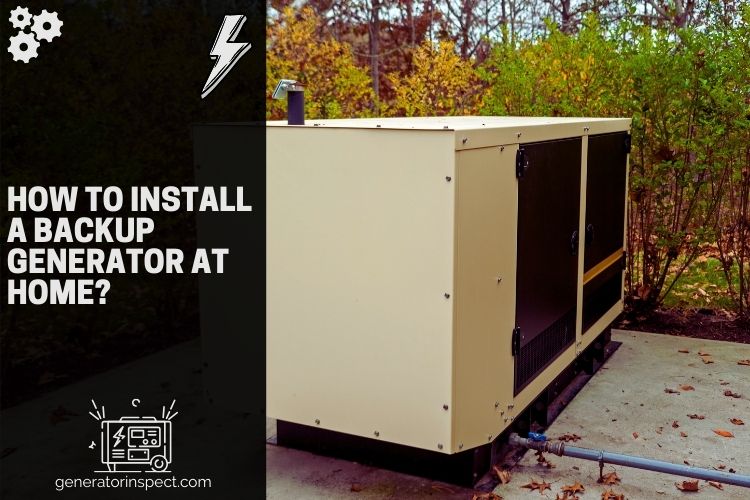
How to Install a Backup Generator at Home? To install a backup generator at home, assess your need and choose between inverter, portable, or standby generators. For reliability, opt for a standby generator, connect it to your electrical system via an ATS, and reduce noise with pads or enclosures. A site survey by a professional ensures a tailored setup, and a transfer switch isolates essential circuits to prevent grid backfeeding, ensuring uninterrupted power and peace of mind during outages.
See Also: Can I plug my furnace into a generator?
How to Install a Backup Generator at Home? – Guide
In this guide, we will walk you through the steps and considerations involved in installing a backup generator at home.
Do You Need a Generator?
The first step in the process of installing a backup generator is determining whether you need one.
Backup generators are especially valuable if you live in an area prone to severe storms, flooding, or frequent power outages.
They offer a reliable solution for keeping your home powered during emergencies, potentially saving you thousands of dollars in damage.
Understanding Generators
Before diving into the installation process, it’s essential to understand the different types of generators available.
- Inverter Generators: These generators are ideal for camping, boating, and other recreational activities. They can store DC power, making them suitable for powering lights, heaters, fans, radios, smartphones, and other devices. Inverter generators are typically quiet, lightweight, and easy to transport.
- Portable Generators: Portable generators are affordable and capable of powering essential appliances in your home. They typically run on gasoline and require manual setup. However, they are not ideal for long-term power outages, as they rely on your presence to connect them to your home’s electrical system.
- Standby Generators: Standby generators are the most convenient choice for long-term power outages. They can support a more significant power draw and are connected to your home’s main electrical panel. These generators are powered by diesel, propane, or natural gas and automatically kick in when the power goes out, ensuring your home’s continuous power supply.
How Does a Standby Generator Work?
To understand the installation process, it’s important to know how a standby generator operates.
- Power Outage: Standby generators are connected to your home’s electrical system through an automatic transfer switch (ATS). The ATS is responsible for switching between utility power during normal operation and generator power during a power loss. When the generator detects a power outage, it starts automatically with the help of an alternator.
- When the Power Comes Back On: Once the utility power is restored, the automatic transfer switch cuts off power from the generator and switches back to the grid automatically.
Reasons to Install a Standby Generator for Storm Season
Installing a standby generator is a sensible decision for homeowners, especially during storm seasons. Here’s why:
- Avoiding Food and Appliance Damage: A standby generator keeps vital systems powered during an outage, preventing food from spoiling and appliances from malfunctioning, which could lead to expensive repairs.
- Peace of Mind: Changing weather conditions and unexpected scenarios can lead to power losses. Having a standby generator ensures that you have a reliable power source, providing peace of mind during emergencies.
Reducing Generator Noise with Vibration-Absorbing Pads
One concern when installing a backup generator is the noise it can generate. To address this, you can use vibration-absorbing pads specifically designed to reduce generator noise.
Additionally, noise reduction cages or boxes can significantly minimize generator noise without compromising airflow or cooling requirements.
While some may consider building their own enclosure, it’s crucial to ensure it complies with safety regulations and doesn’t void the generator’s warranty.
How is a Standby Generator Connected to Your Home?
The process of connecting a standby generator to your home involves several steps, including the installation of an automatic transfer switch (ATS). Here’s how it’s done:
- Installing the ATS: An outdoor-rated enclosed box for the ATS is mounted on the exterior of your house, typically next to the meter. This is the preferred location for the ATS, but it can also be installed inside the house if it meets service box requirements. However, before proceeding, the main utility power must be turned off, and the generator must be in the off position.
- Connecting Power Cables: After mounting the ATS box, power cables from your home are connected to the unit. This includes the utility power source cable, the service disconnect-circuit breaker, and customer load leads. Additionally, the generator power source cables are connected.
- Generator Setup: The standby generator needs its battery and fuses to be installed and connected within the generator. Before starting the generator for the first time, it’s essential to check the oil level, fuel supply, and ensure that the fuel line has been purged and tested.
- Testing and Activation: After the setup is complete, the generator undergoes testing and verification using the manual power option. Once the generator passes the tests, fuses are added to the ATS switch. In some cases, you can even activate the generator remotely using a mobile app. The generator is ready to turn on automatically within 7 to 10 seconds of a power outage.
What Is a Transfer Switch?
A crucial component in the installation of a backup generator is the transfer switch. Its primary function is to isolate specific circuits in your house, providing power only to the essential loads.
This is important to prevent overloading and to ensure that non-essential circuits are left without power. The transfer switch also serves to electrically isolate the generator from the grid, preventing electrically generated power from backfeeding onto the grid, which can cause fires and pose a hazard to utility workers.
Transfer Switch Installation
During transfer switch installation, the selected circuits are isolated to receive power from the generator while the rest of the circuits remain disconnected. This not only prevents overloading but also eliminates the risk of backfeeding power onto the grid.
Site Survey Before Installing a Standby Generator
The installation of a standby generator requires careful planning, and a site survey is an essential step. This survey should be conducted by a licensed electrical contracting business or a professional generator dealer and includes assessing various factors:
- Property measurements in relation to the home.
- Electrical needs and an inspection of the electrical panel.
- The location of the meter, which should have clear access without obstructions like shrubs.
- The location of your main service utility line and gas lines.
A site survey is crucial because every homeowner’s needs are different. Without one, it’s challenging to provide an accurate estimate for the installation. It’s important to note that a contractor cannot offer a realistic price without assessing your specific situation and requirements.
Conclusion
Installing a backup generator at home can provide the peace of mind that you’ll have a reliable source of power during unexpected outages.
While the process may involve several steps, including the installation of an automatic transfer switch and a site survey, the investment can pay off by preventing costly damage to your property and ensuring your family’s safety and comfort during power outages.
Consider the type of generator that best suits your needs, and consult with a licensed electrical contractor to ensure a safe and efficient installation. With a standby generator in place, you can weather any storm with confidence.