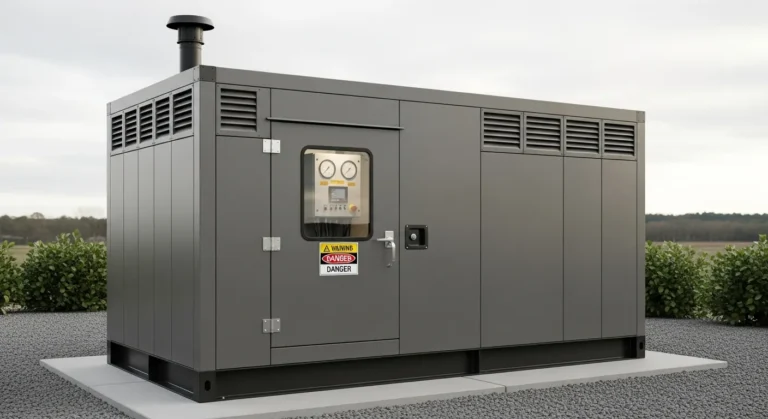
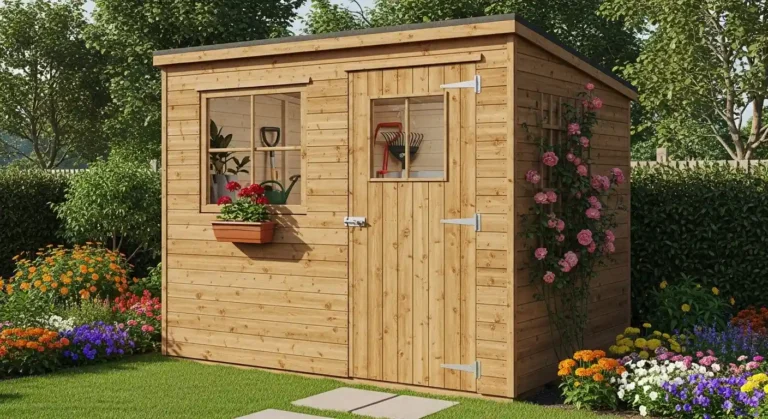
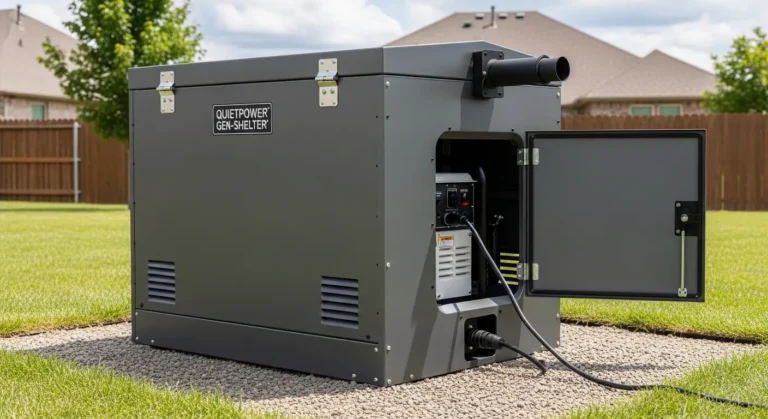
17 Portable Generator Enclosure Ideas for Outdoor Safety
Looking for smart ways to protect your generator without sacrificing style or space? In this post, we’ve curated practical and creative portable generator enclosure ideas that help reduce noise, shield your equipment from the elements, and blend seamlessly into your outdoor setup.
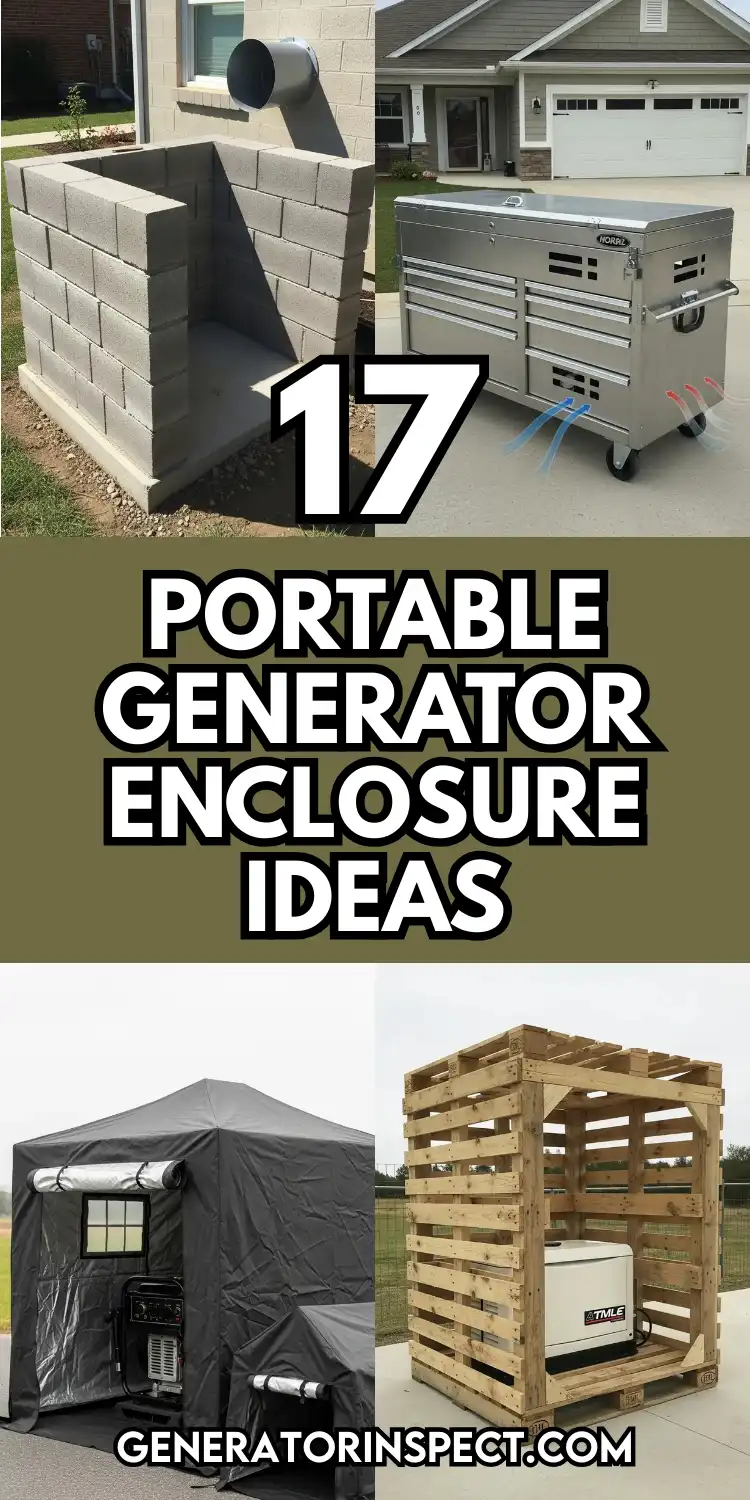
When we bought our home, I didn’t think much about where the portable generator would live. That changed the first time a storm rolled in and the generator sat outside, rattling loudly, exposed to rain, leaves, and curious neighbours. It worked, but it felt messy, unsafe, and far from ideal.
I started looking into portable generator enclosure ideas because I wanted something that protected the generator without turning my yard into an eyesore. Noise was another issue.
The constant hum echoed through the house, especially at night, making it hard to relax even though the power was back on.
At first, I assumed a proper enclosure would be expensive or complicated. But as I researched and tested a few options myself, I realized smart design makes all the difference.
With the right materials, ventilation, and layout, an enclosure can reduce noise, improve safety, and extend the life of your generator.
Contents
Why a Portable Generator Enclosure Matters More Than You Think
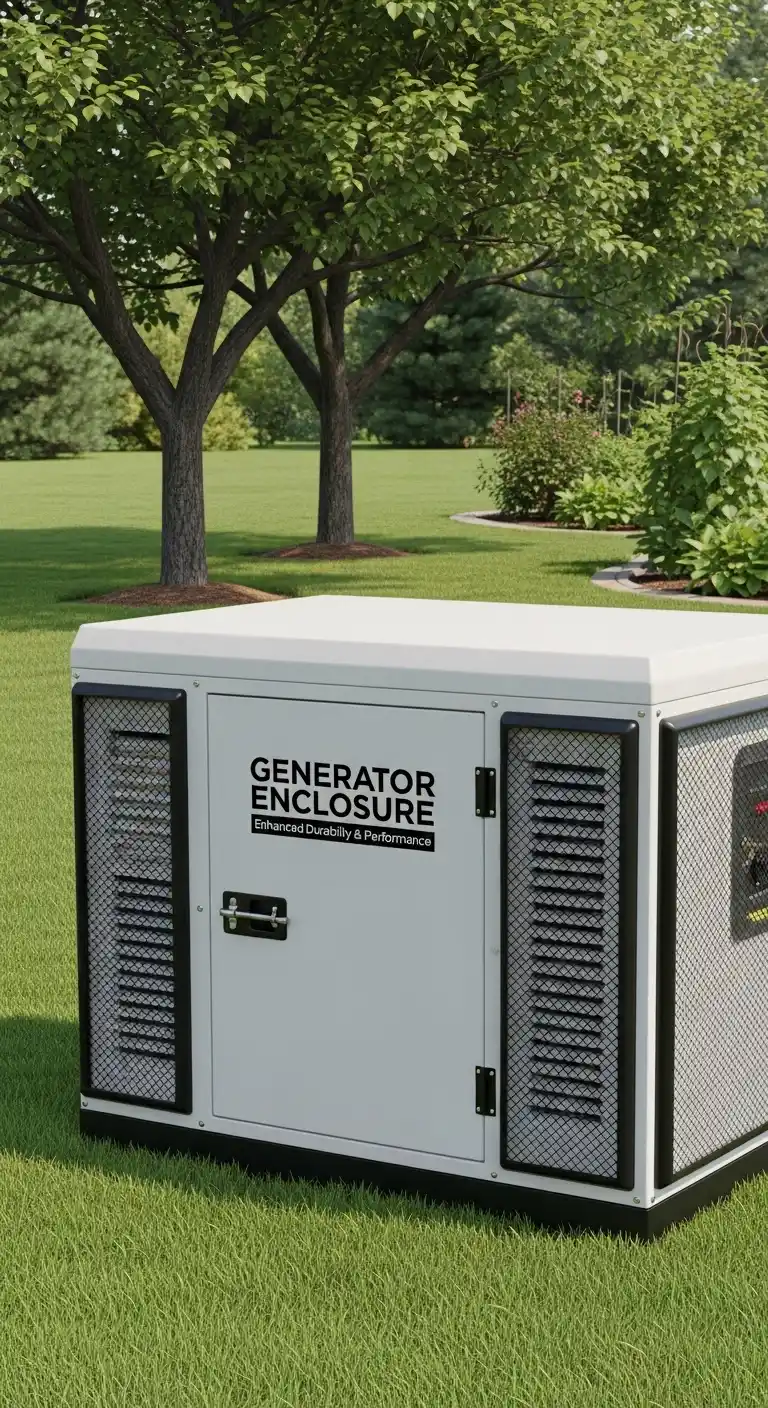
Explain how exposure to rain, dust, heat, and debris reduces generator lifespan and reliability over time.
Discuss safety benefits, including reduced noise pollution, improved airflow management, and protection from accidental contact during operation.
Position a portable generator enclosure as a long-term investment rather than a cosmetic accessory, emphasizing durability and performance consistency.
Key Design Elements That Make a Portable Generator Enclosure Effective
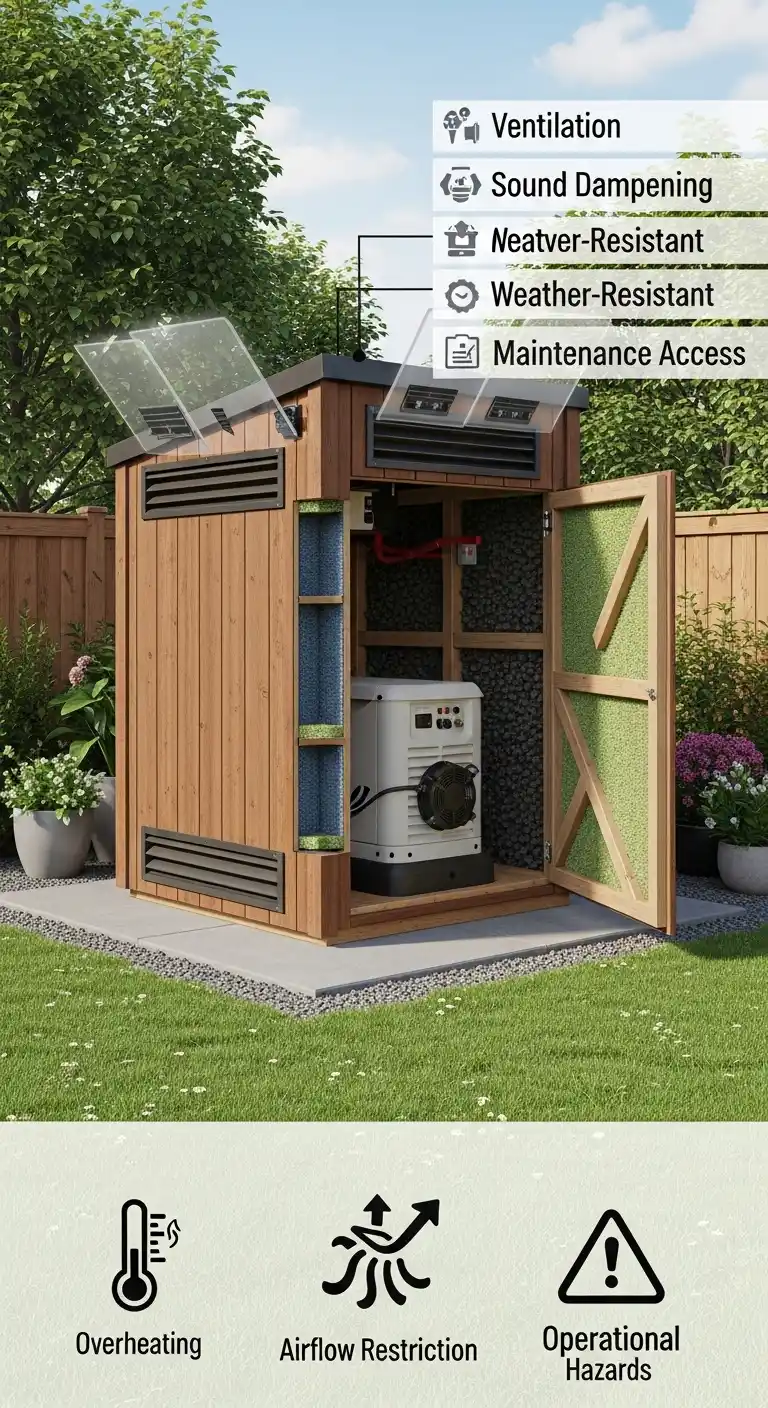
Break down essential enclosure features such as ventilation pathways, sound-dampening materials, weather-resistant construction, and maintenance access panels.
Briefly explain how poor enclosure design can cause overheating, airflow restriction, and operational hazards if ignored.
Set the foundation for the upcoming ideas by clarifying what separates functional enclosures from purely decorative ones.
17 Portable Generator Enclosure Ideas
1. Concrete Block Partial Wall Enclosure
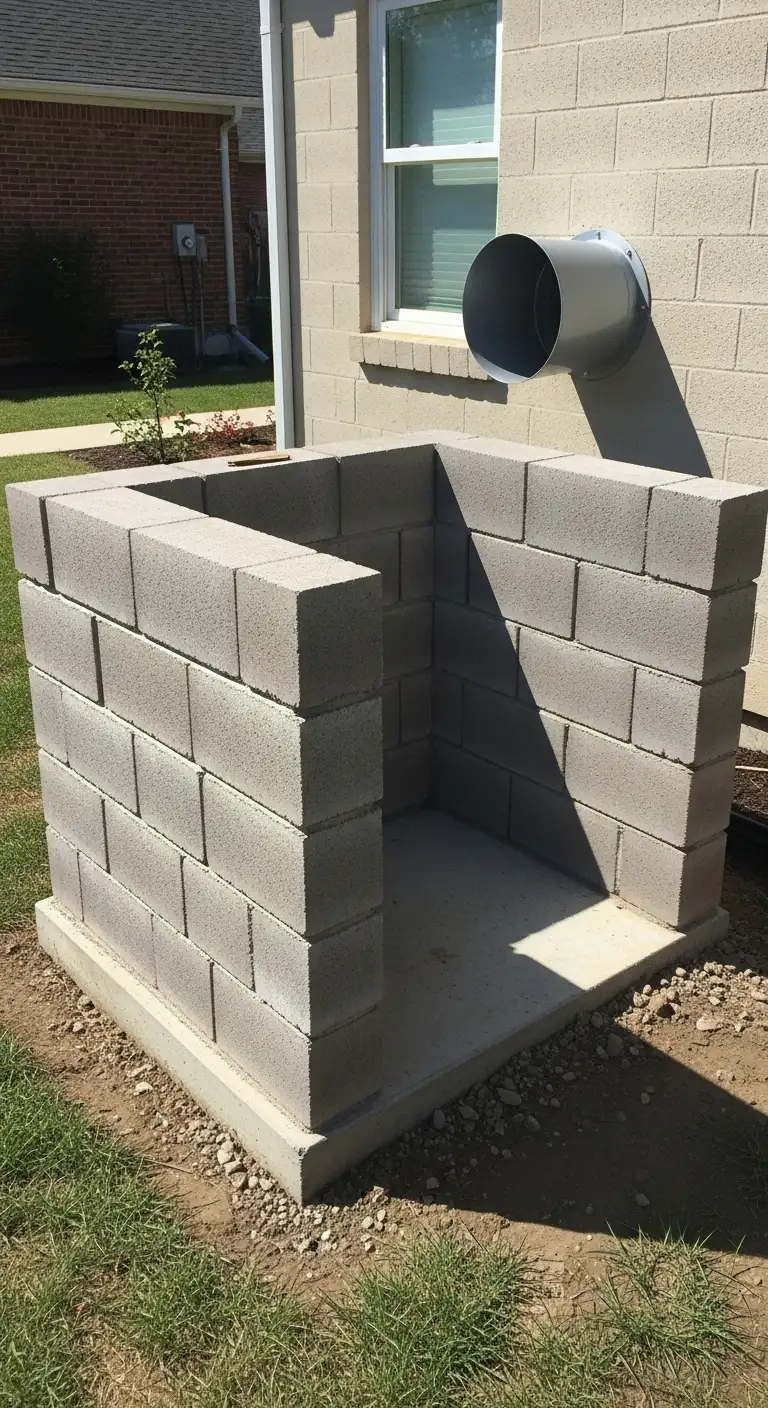
A concrete block partial wall enclosure provides strong wind protection while avoiding full enclosure risks associated with trapped heat.
The U-shaped layout deflects noise outward, reducing sound impact toward nearby living areas or neighboring properties.
Open sections allow exhaust gases to dissipate safely, maintaining proper airflow during continuous generator operation.
Concrete blocks offer excellent durability, resisting weather damage and requiring minimal ongoing maintenance.
This structure works well for generators placed in fixed outdoor locations where portability remains secondary.
Among Portable Generator Enclosure Ideas, this option balances long-term strength with ventilation-focused design priorities.
2. Insulated Generator Tent Enclosure
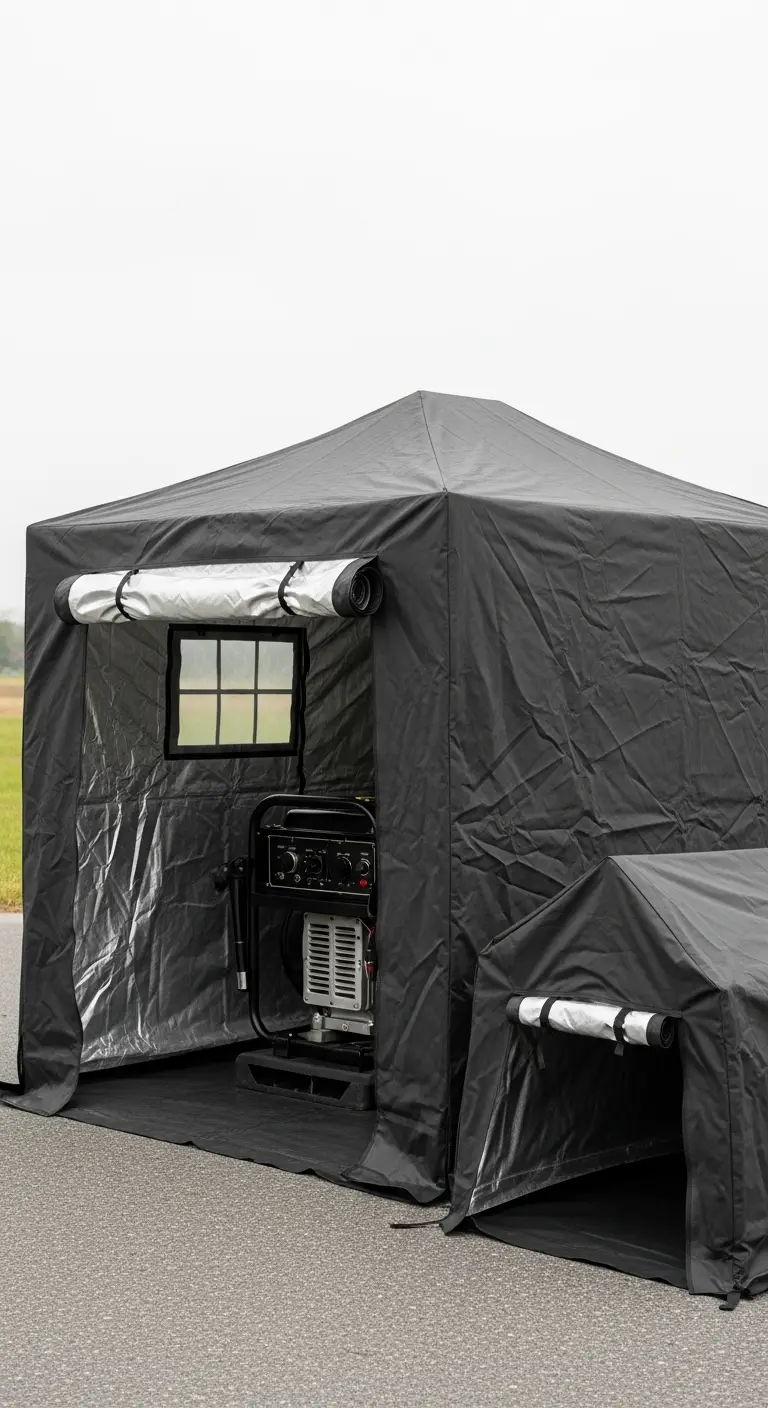
Insulated generator tents use heat-resistant fabrics designed to protect generators from rain, dust, and debris exposure.
Built-in ventilation flaps promote airflow while preventing water intrusion during poor weather conditions.
These tents fold easily, making them ideal for temporary setups, emergency use, or limited storage situations.
Internal insulation reduces operational noise slightly without fully enclosing the generator exhaust area.
Portable Generator Enclosure Ideas like this appeal to users needing fast deployment without complex construction requirements.
3. Ventilated Tool Chest Conversion
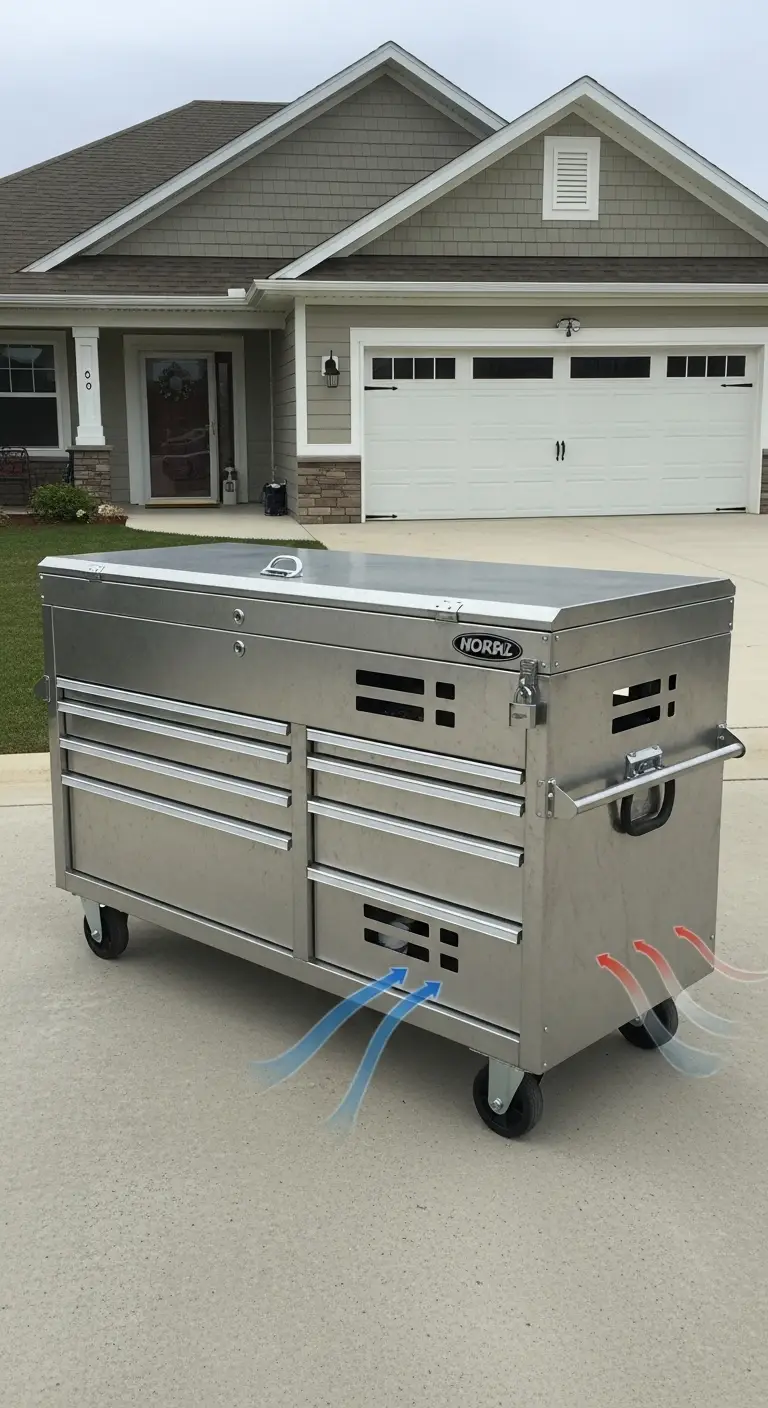
Large metal tool chests can transform into secure generator enclosures with carefully added ventilation openings.
Metal construction provides impact resistance while protecting against harsh weather and accidental contact.
Proper airflow design prevents heat buildup, especially when exhaust vents align with generator output direction.
Lockable lids add security while allowing convenient access for refueling and routine maintenance tasks. This conversion demonstrates Portable Generator Enclosure Ideas that combine protection, security, and compact storage efficiency.
4. Pallet-Based DIY Generator Housing
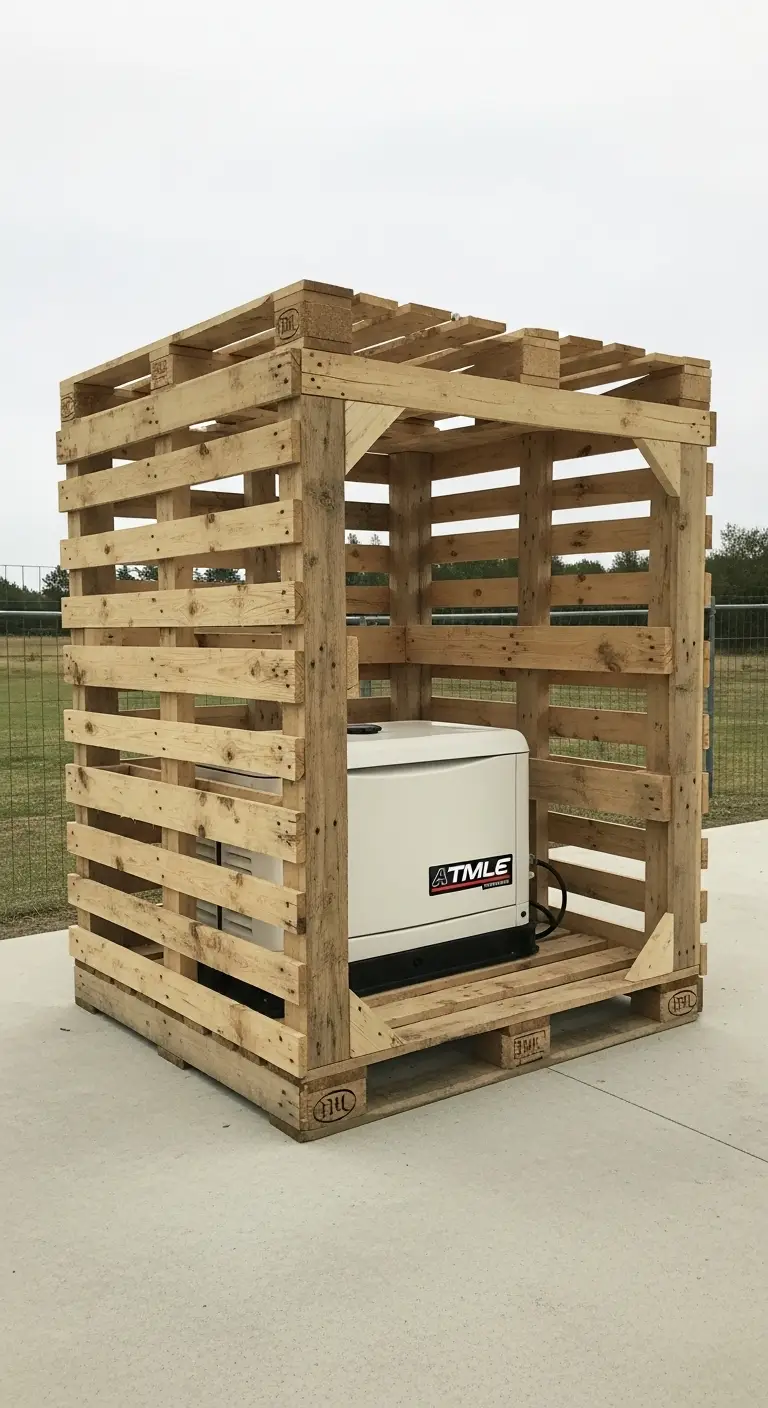
Pallet-based enclosures use reclaimed wood to create breathable structures supporting airflow and basic weather protection.
Spacing between pallet slats allows heat to escape while preventing direct rain contact with generator components.
This design reduces material costs while promoting sustainable building practices. Reinforced frames improve stability, ensuring the enclosure remains secure during windy conditions.
Portable Generator Enclosure Ideas like this suit budget-conscious users seeking functional solutions without sacrificing safety fundamentals.
5. Foldable Panel Enclosure System
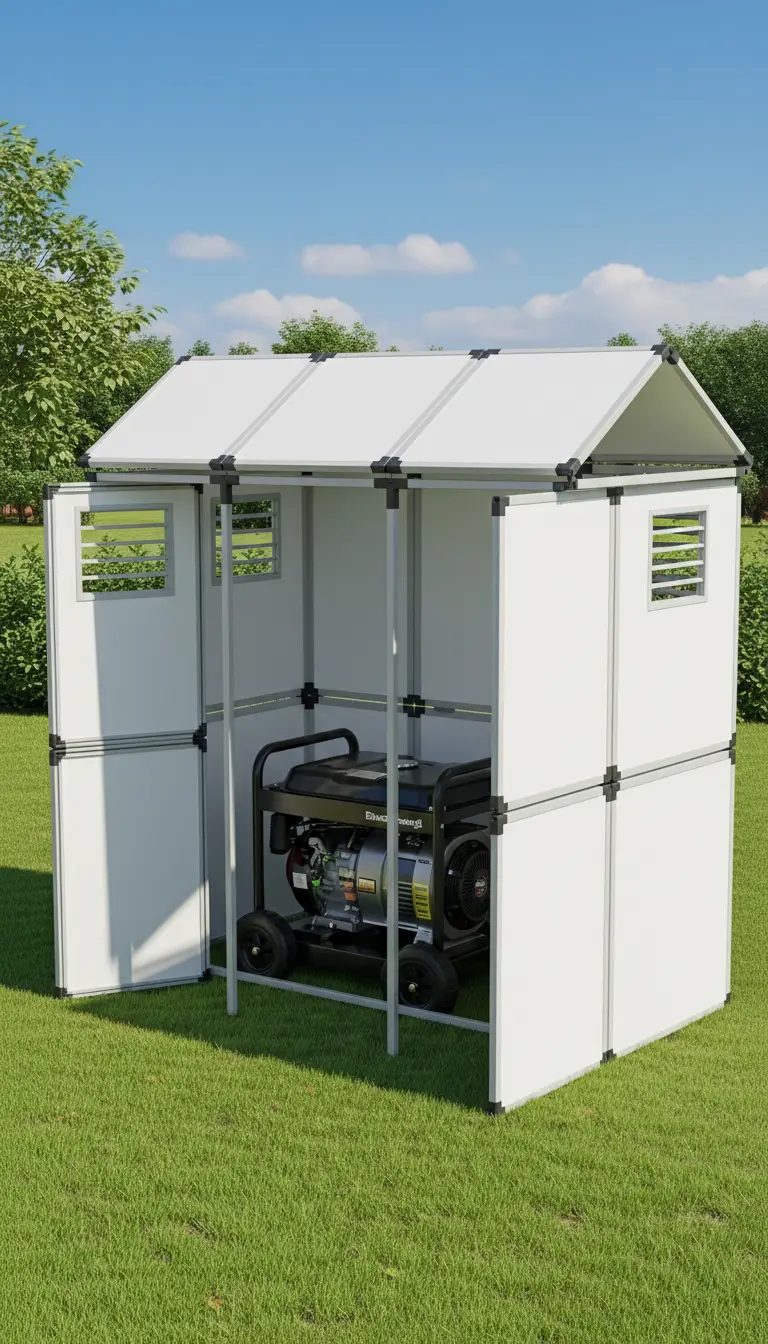
Foldable panel enclosures consist of lightweight sections connected by hinges for easy assembly and storage.
Panels open fully for maintenance access, then close to provide protection during generator operation. Vent openings remain unobstructed regardless of configuration, maintaining consistent airflow throughout usage.
This system adapts to different generator sizes, offering scalability without permanent installation. Among Portable Generator Enclosure Ideas, foldable designs excel in flexibility and space-saving practicality.
6. Fire-Resistant Cement Board Enclosure
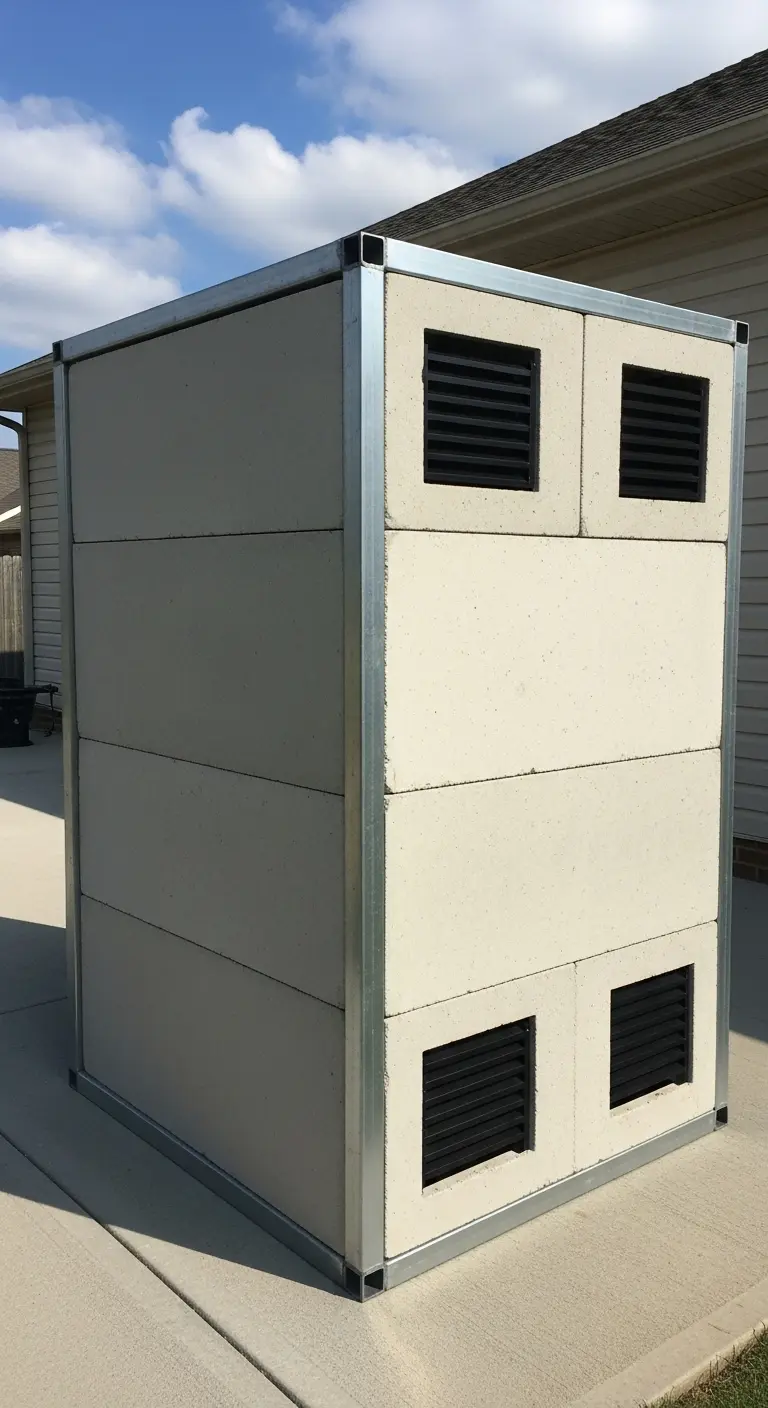
Fire-resistant cement board enclosures prioritize heat tolerance, making them suitable for extended generator runtime situations.
Cement boards resist warping and degradation caused by prolonged heat exposure. Metal framing supports structural stability while maintaining ventilation openings at critical airflow points.
This enclosure design reduces fire-related risks without fully sealing the generator space. Portable Generator Enclosure Ideas emphasizing safety often favor cement board construction for demanding operational environments.
7. Creative Approaches for Long-Term Generator Protection
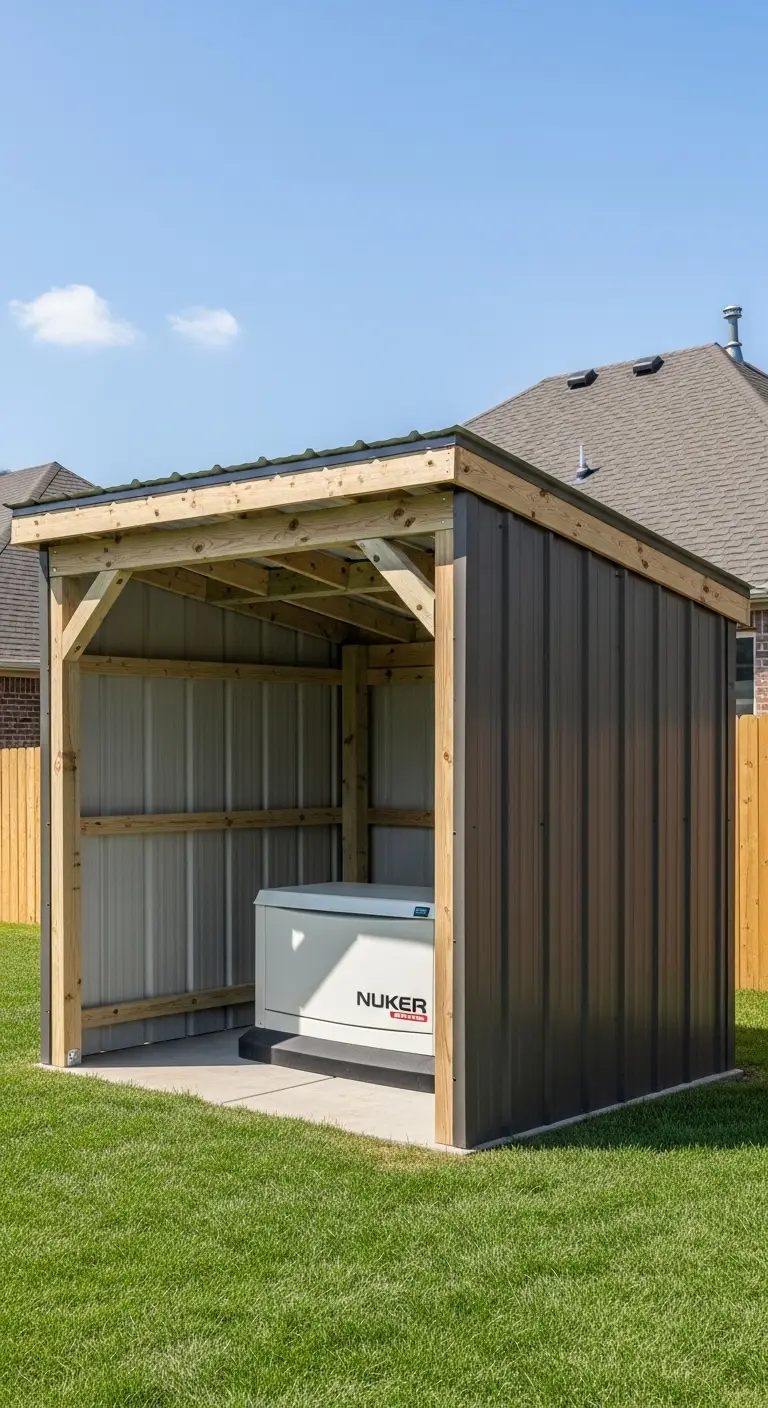
Long-term generator protection goes beyond basic covers and occasional maintenance—it’s about creating a system that shields your generator from weather, wear, and unexpected damage year after year.
A smart approach starts with a well-designed enclosure or shelter that allows proper airflow while blocking rain, snow, direct sunlight, and debris.
Using durable, weather-resistant materials such as treated wood, metal panels, or composite siding helps prevent rust, corrosion, and structural breakdown over time.
8. Hybrid Wood and Metal Generator Enclosure
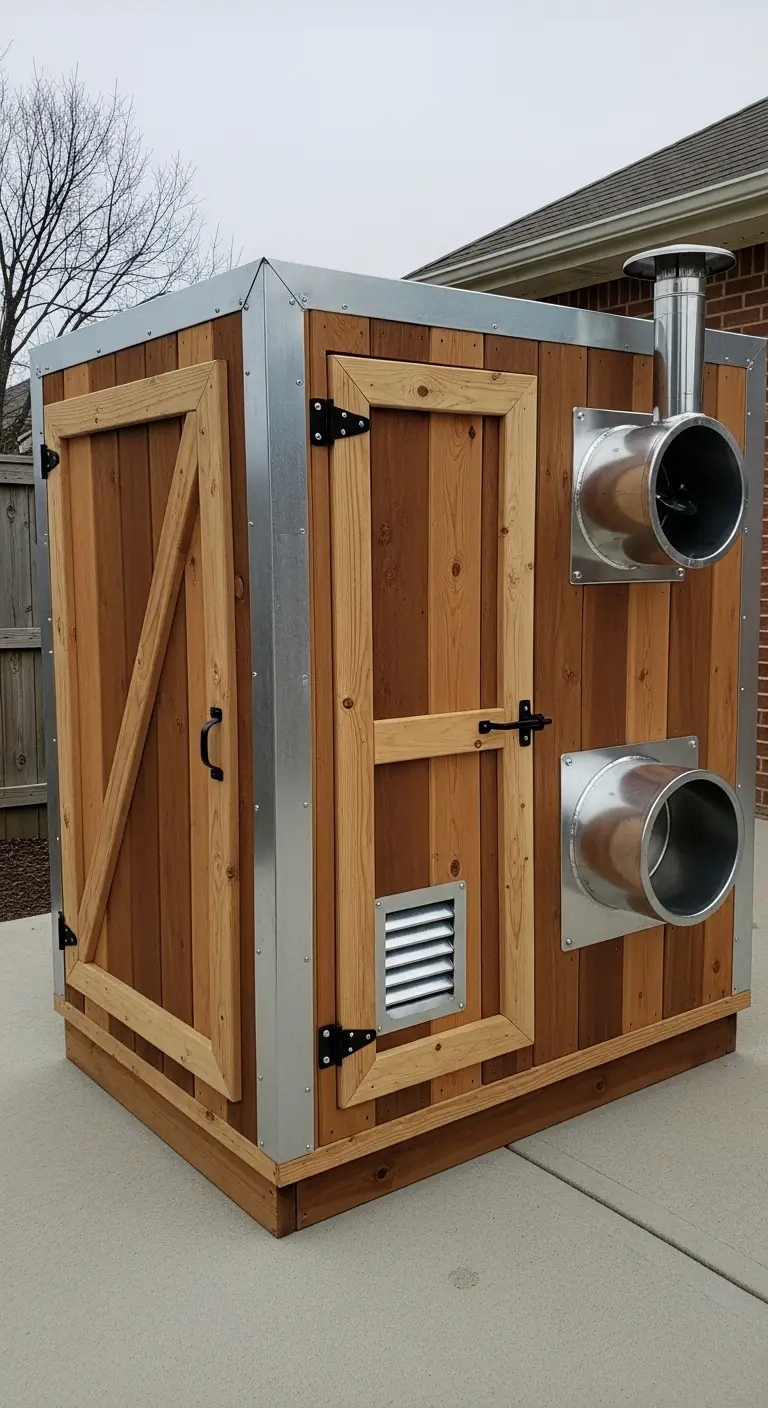
A hybrid wood and metal enclosure combines the warmth of wood with the durability of metal reinforcement in critical heat zones.
Metal panels protect areas near exhaust outlets, while wooden sections help reduce vibration and operational noise levels naturally.
Ventilation openings integrate seamlessly into the mixed-material design, ensuring consistent airflow during prolonged generator use.
This enclosure allows aesthetic customization, helping it blend into residential outdoor spaces without appearing overly industrial.
Among Portable Generator Enclosure Ideas, hybrid designs appeal to users balancing appearance, durability, and sound management priorities.
9. Underground Ventilated Generator Vault
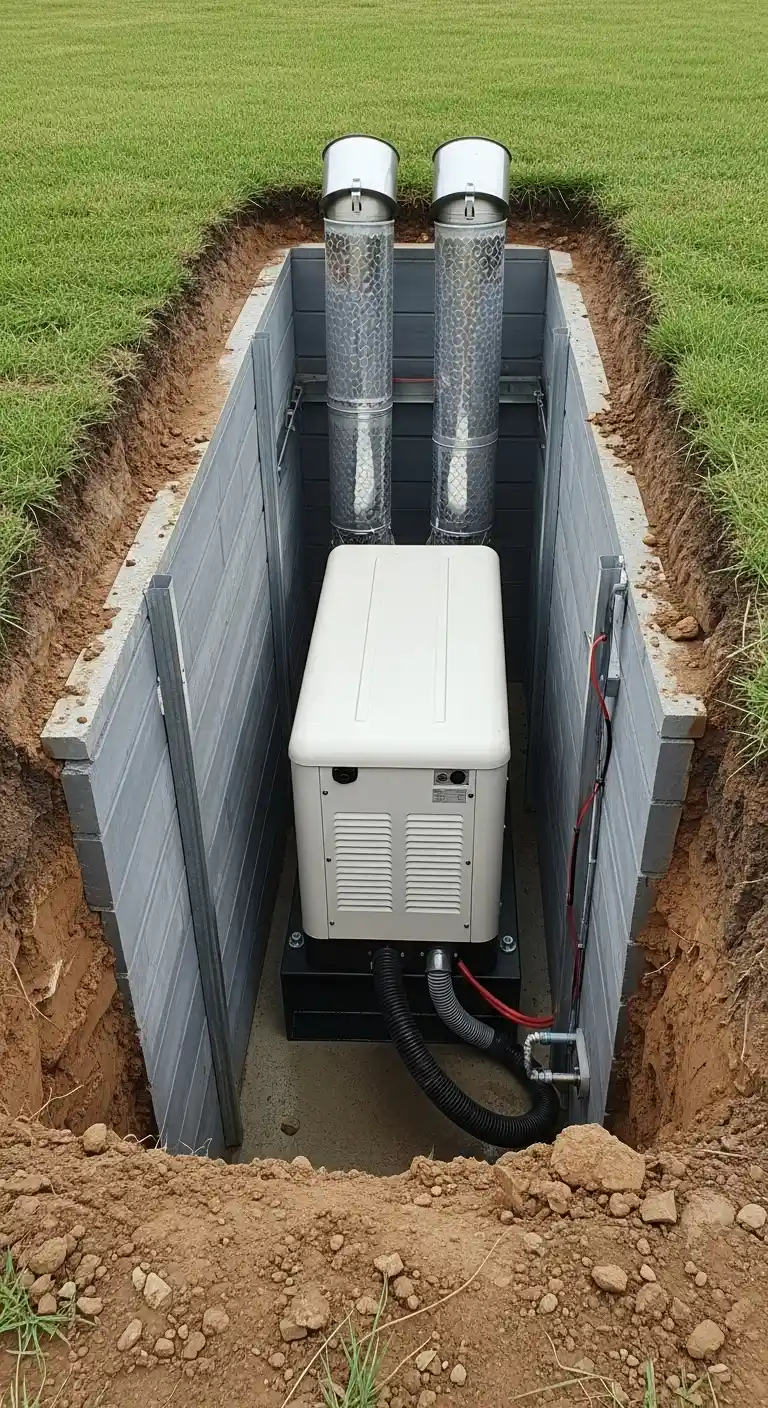
An underground generator vault uses earth insulation to significantly reduce noise while maintaining controlled airflow pathways.
Vertical ventilation shafts direct exhaust gases upward, preventing heat accumulation within the enclosure chamber.
Proper drainage systems remain essential to avoid moisture buildup around electrical components. This design requires careful planning but offers exceptional noise reduction for sensitive environments.
Portable Generator Enclosure Ideas like underground vaults suit permanent installations where discretion and sound control matter most.
10. Stackable Modular Enclosure Panels
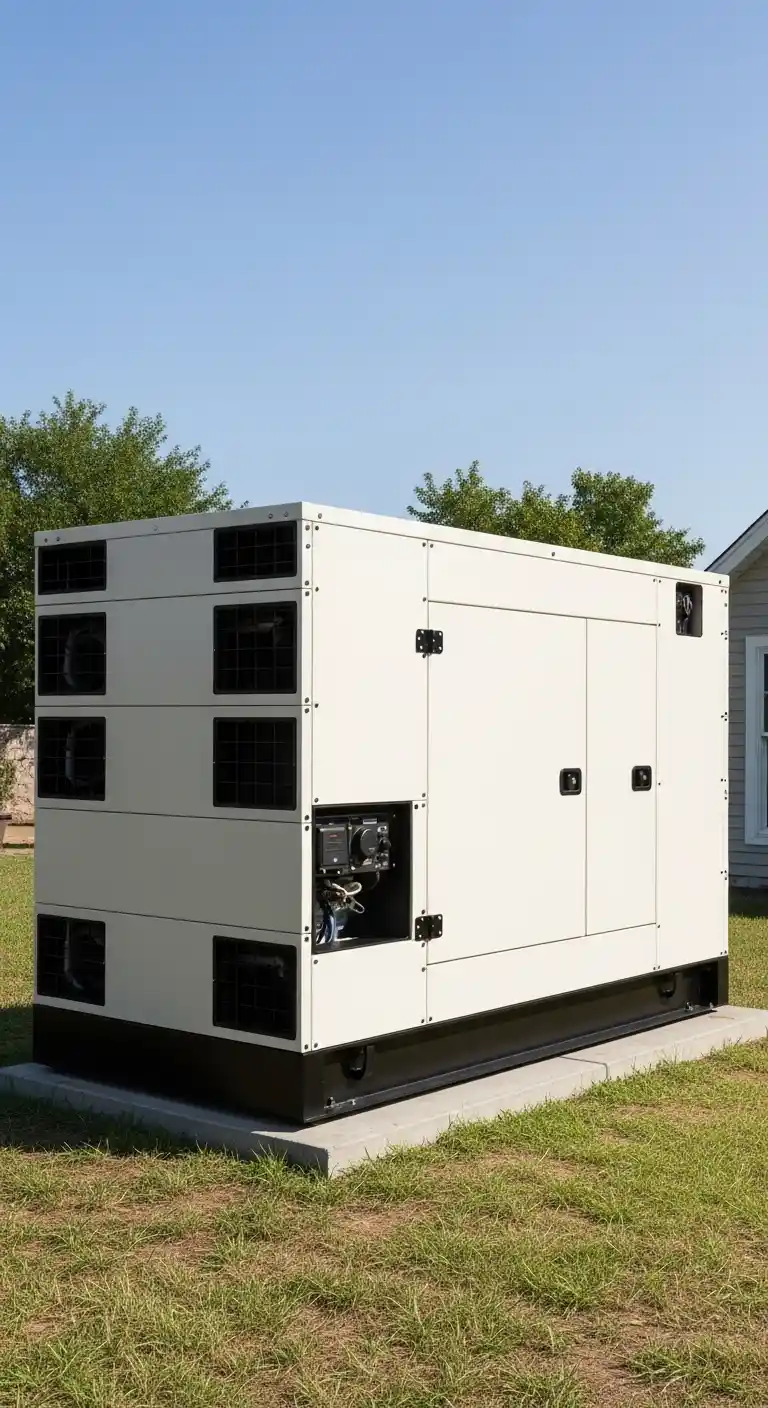
Stackable modular panels allow enclosure height and width adjustments based on generator size and operational clearance requirements.
Interlocking panel systems improve stability while simplifying future expansion or relocation needs. Vent modules can be repositioned, ensuring airflow remains optimized regardless of configuration changes.
This design adapts easily to evolving power needs without rebuilding the entire enclosure structure. Among Portable Generator Enclosure Ideas, modular systems support scalability and long-term flexibility effectively.
11. Raised Platform Enclosure With Slatted Walls
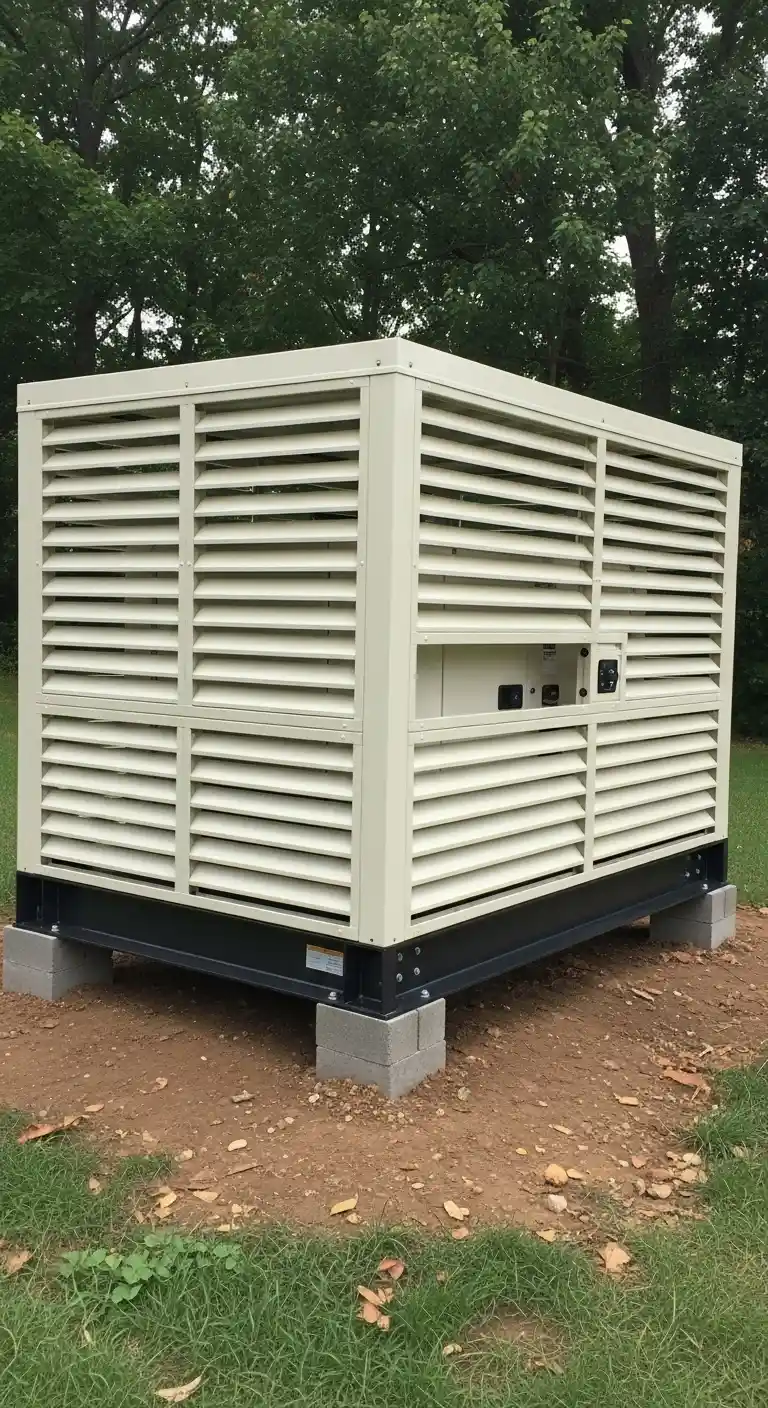
Raised platform enclosures elevate generators above ground level, reducing exposure to water during heavy rainfall events.
Slatted wall construction balances airflow and protection, allowing heat to escape naturally during extended operation.
The raised base also simplifies cleaning and routine inspections beneath the generator unit. This enclosure performs well in wet or uneven terrain environments.
Portable Generator Enclosure Ideas using elevation strategies emphasize weather resilience and improved ventilation performance.
12. Minimalist Wind Barrier Enclosure
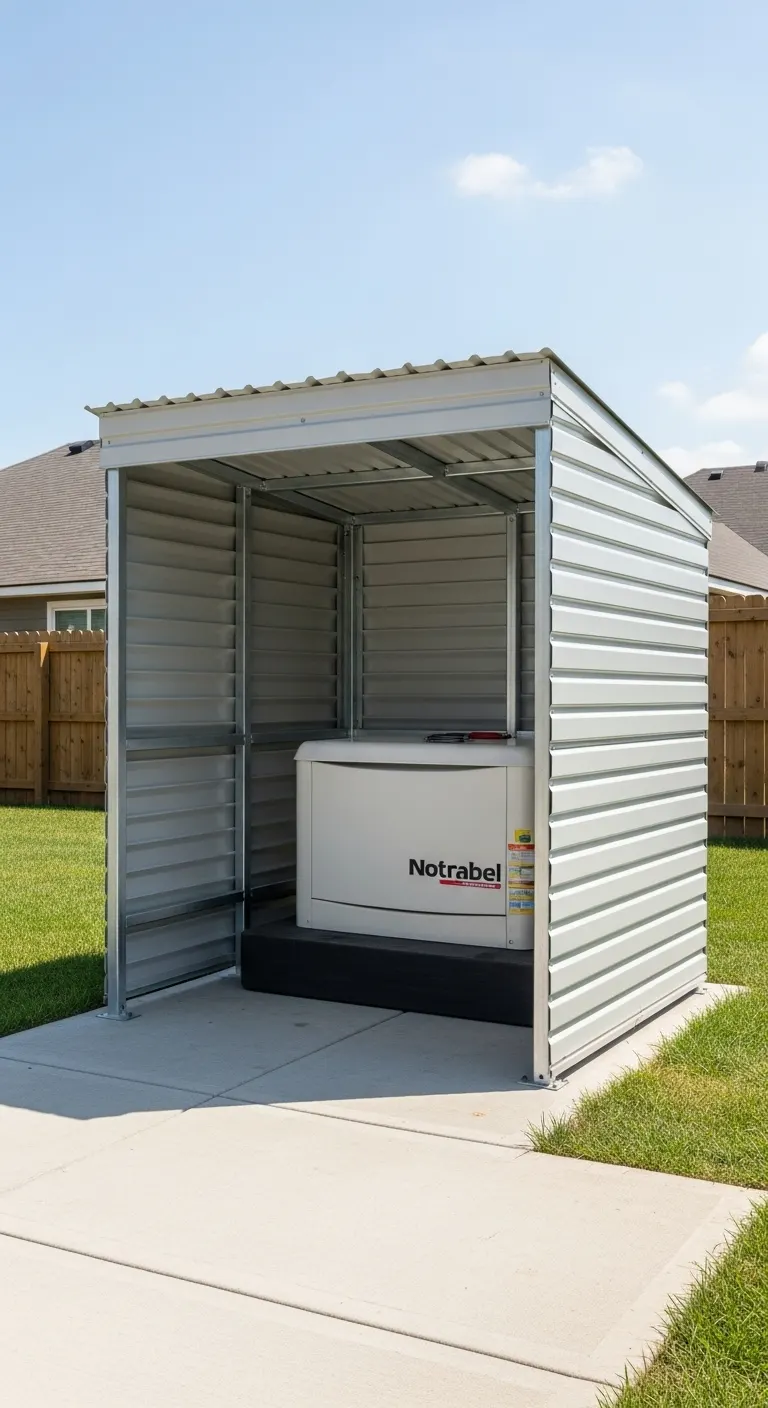
Minimalist wind barrier enclosures focus on redirecting wind and noise rather than fully enclosing the generator.
Strategically placed panels shield the generator from prevailing weather while preserving open airflow on remaining sides.
This approach reduces overheating risks commonly associated with fully enclosed structures. Installation remains simple, making adjustments easy as seasonal conditions change.
Among Portable Generator Enclosure Ideas, minimalist barriers suit users prioritizing airflow efficiency over complete enclosure coverage.
13. Sound-Dampened Fence Panel Enclosure
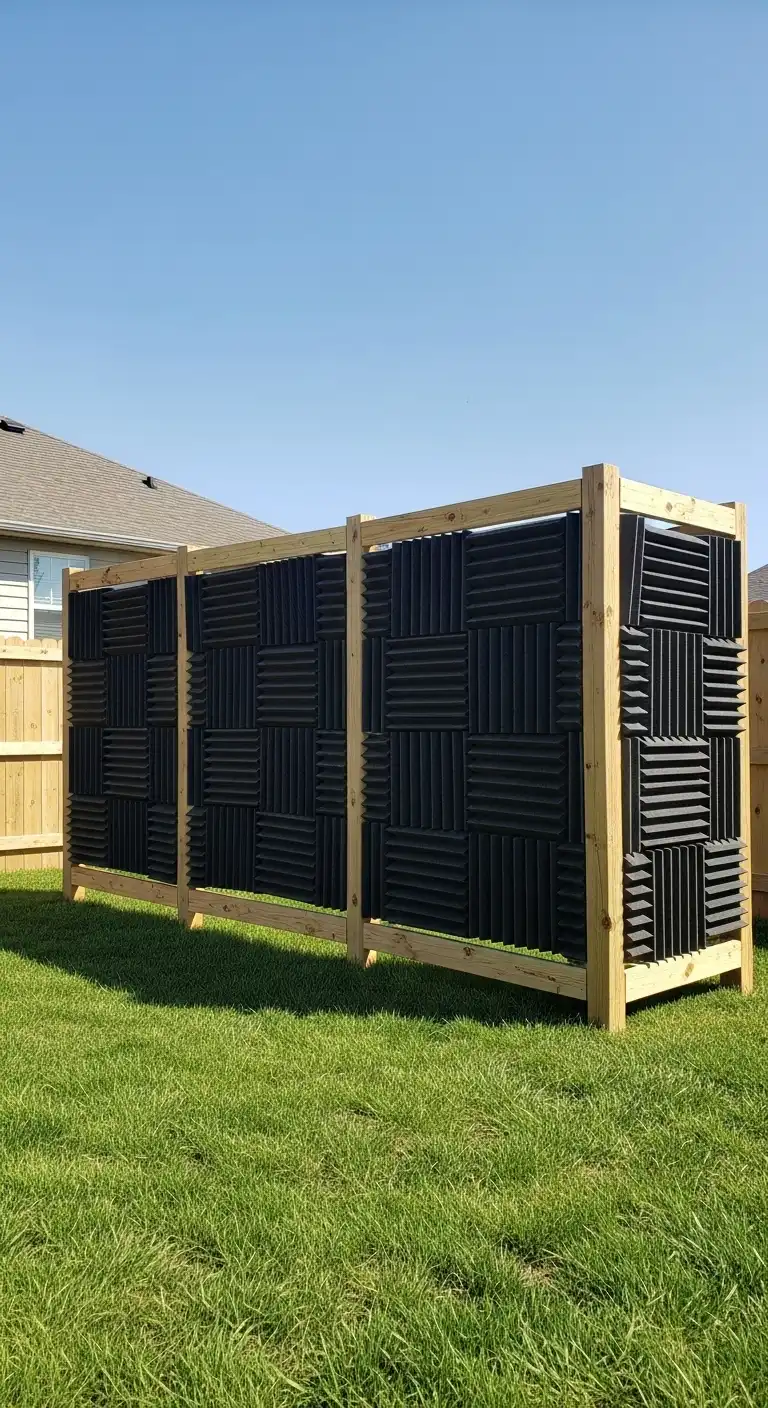
A sound-dampened fence panel enclosure uses outdoor-rated acoustic panels mounted on treated wood or metal frames.
The panels reduce noise reflection while keeping the top and rear sections open for heat and exhaust dispersion.
Strategic spacing between panels prevents airflow restriction during continuous generator operation. This design blends well into backyards, functioning as both a noise barrier and visual screen.
Among Portable Generator Enclosure Ideas, fence-style layouts work best for residential areas where sound control matters more than full weather sealing.
14. Weatherproof Plastic Resin Enclosure
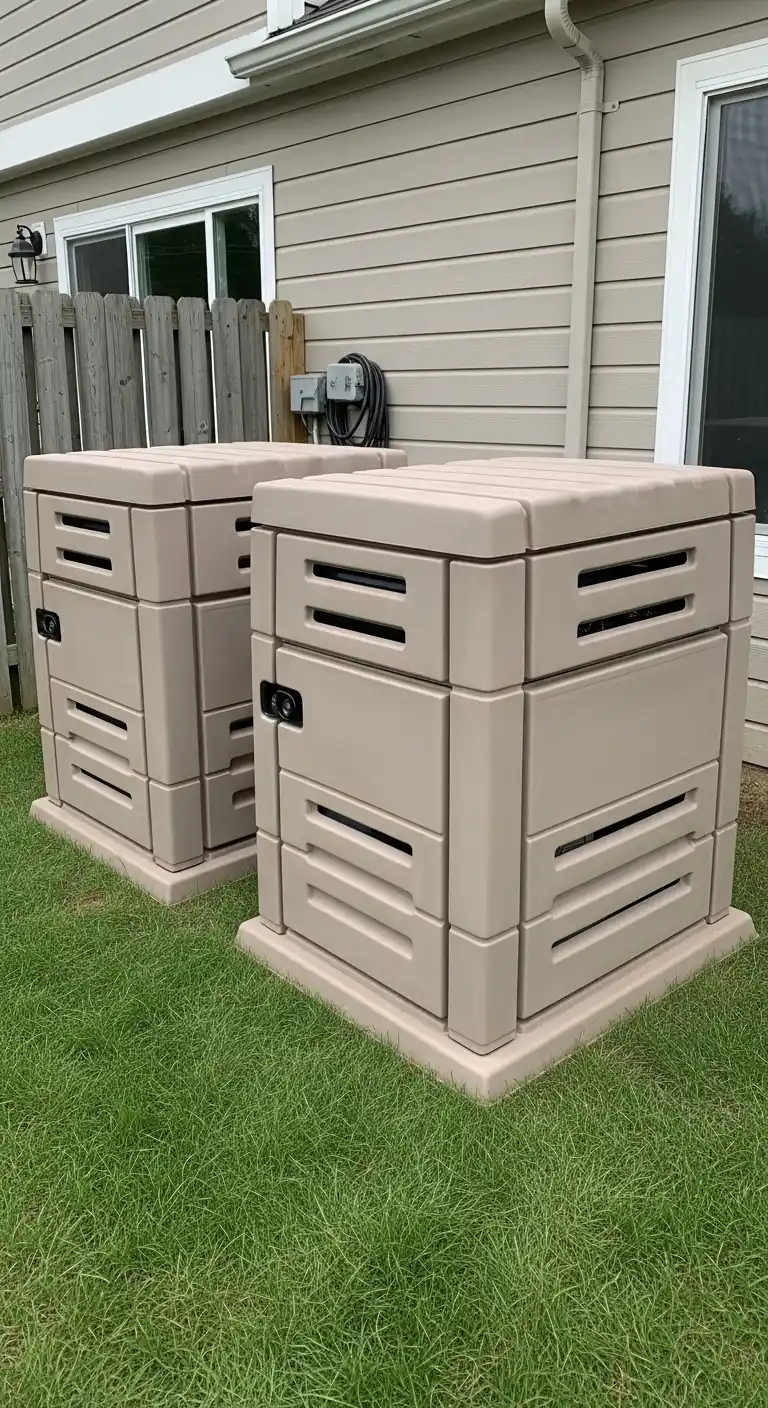
Heavy-duty plastic resin enclosures offer moisture resistance without rust or rot concerns.
Vent slots molded into the structure allow airflow while keeping rain and debris away from sensitive components.
These enclosures remain lightweight, making relocation easier compared to concrete or metal options. UV-resistant materials prevent cracking or fading during long-term outdoor exposure.
Portable Generator Enclosure Ideas using resin materials suit users seeking low-maintenance protection with moderate noise reduction.
15. Trailer-Mounted Generator Enclosure
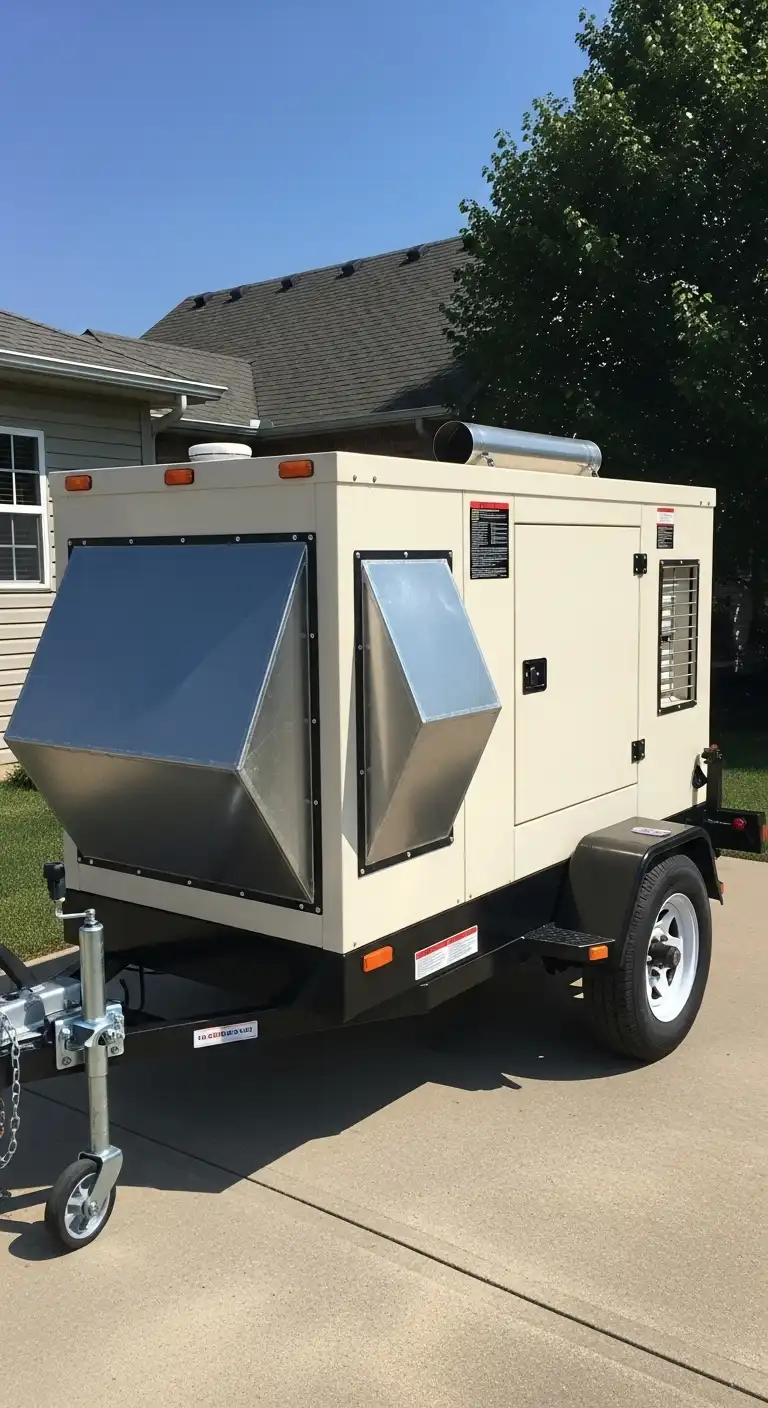
Trailer-mounted enclosures provide mobility while maintaining structural protection and airflow efficiency.
Metal or composite housing shields the generator during transport and operation in remote locations. Integrated vents and exhaust routing prevent heat buildup even during extended runtime.
This setup works well for construction sites, outdoor events, or emergency response use.
Among Portable Generator Enclosure Ideas, trailer-mounted designs support portability without sacrificing durability or safety.
16. Lean-To Style Generator Shelter
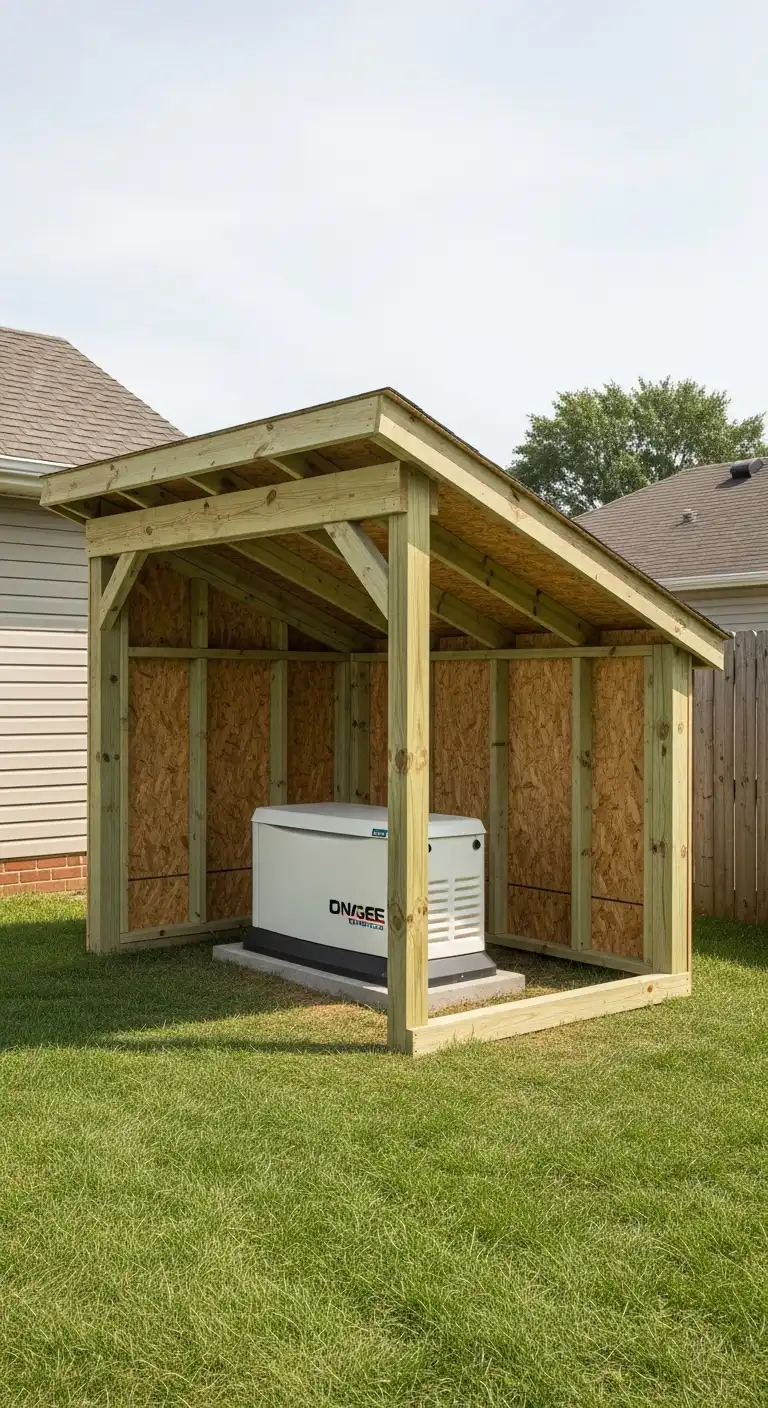
A lean-to generator shelter uses a single sloped roof attached to an existing wall or freestanding frame.
The open-front design ensures unrestricted airflow while protecting the generator from rain and falling debris.
This layout simplifies construction and reduces material costs. Proper spacing between the generator and walls minimizes heat retention risks.
Portable Generator Enclosure Ideas like lean-to shelters suit homeowners needing quick, semi-permanent outdoor protection.
17. Shipping Crate Style Ventilated Enclosure
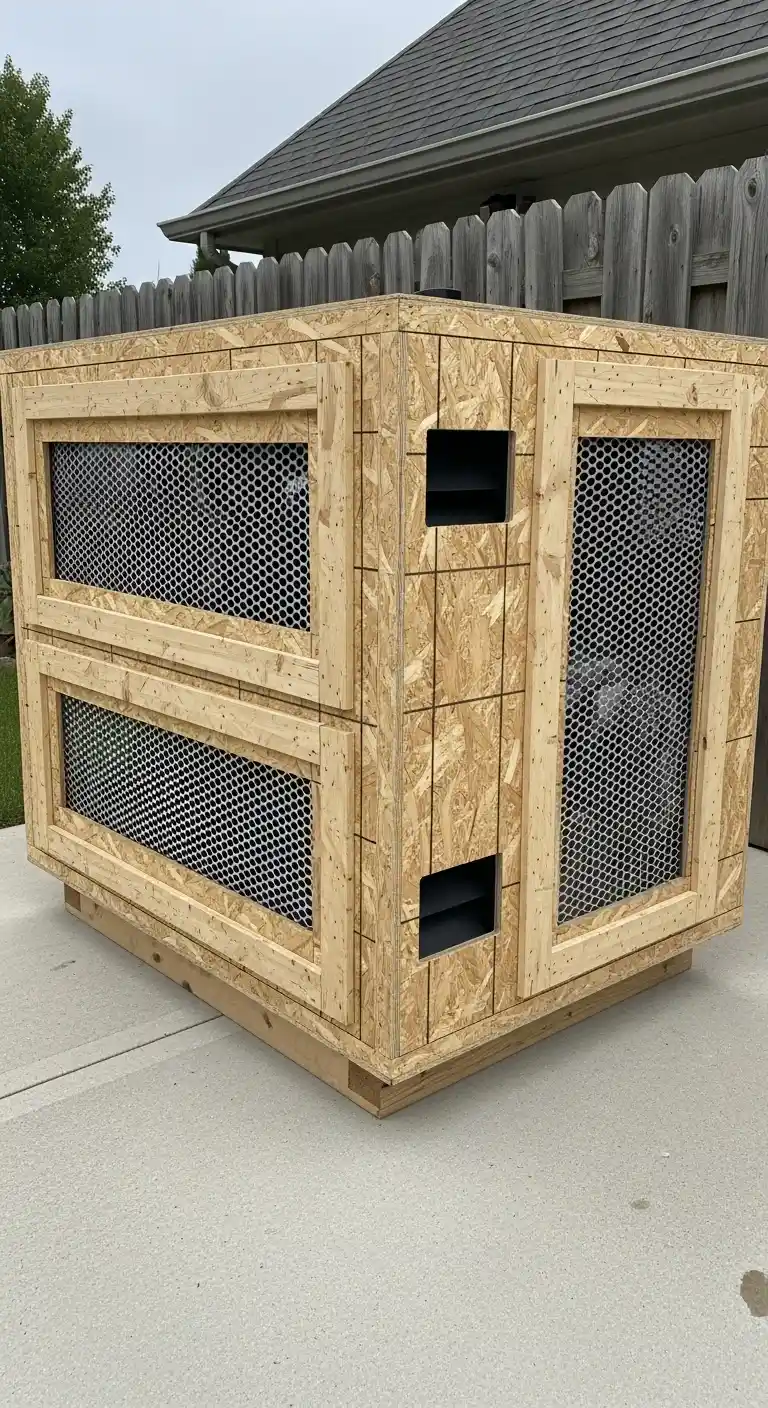
Shipping crate-style enclosures use reinforced wood or composite panels designed for durability and airflow.
Large vent cutouts covered with metal mesh allow heat and exhaust gases to escape safely. The box-style structure offers strong impact resistance and stacking stability for storage situations.
This enclosure style supports customization for noise control, weatherproofing, or security features.
Among Portable Generator Enclosure Ideas, crate-inspired designs balance rugged protection with adaptable ventilation layouts.
Matching Enclosure Types to Real-World Usage Needs
Selecting the right enclosure depends on generator size, expected runtime, environmental exposure, and storage limitations.
Temporary solutions suit occasional use, while permanent structures benefit frequent operation and long-term placement strategies.
Understanding these factors helps readers apply Portable Generator Enclosure Ideas more effectively and responsibly.
Ongoing Maintenance for Generator Enclosures
Routine inspections ensure vents remain clear, fasteners stay secure, and materials withstand heat exposure over time.
Cleaning debris and monitoring airflow pathways help maintain consistent generator performance during emergencies.
Proper maintenance complements all Portable Generator Enclosure Ideas, extending both enclosure and generator lifespan.
Closing Notes
Portable Generator Enclosure Ideas play a critical role in protecting equipment, improving safety, and supporting reliable power access.
By aligning enclosure design with ventilation, placement, and usage needs, users can operate generators confidently in diverse conditions.