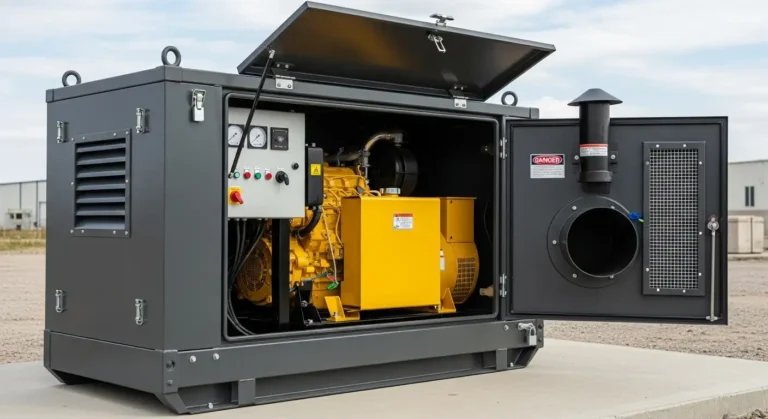
What Size Generator to Run a 2000 Sq Ft House?
Determining the appropriate size for a generator to power a 2000 sq ft house depends on several factors, including the power requirements of the appliances and devices you intend to run simultaneously. The size of a generator is typically measured in watts (W) or kilowatts (kW).
What Size Generator to Run a 2000 Sq Ft House? For a 2000 sq ft house, a generator with a minimum of 5,000 to 7,000 watts is recommended to cover essential appliances during power outages.

See Also: What Size Generator to Run a 1500 Sq Ft House?
What Size Generator to Run a 2000 Sq Ft House? – A Comprehensive Guide
In this comprehensive guide, we will explore different types of generators, discuss the importance of sizing a home generator correctly, provide methods for calculating the right generator size, and offer recommendations for the best generators in the market.
Different Types of Generators
Before delving into the specifics of generator sizing, it’s essential to understand the various types of generators available in the market. Each type has its own set of advantages and limitations. Here are some popular types:
1. Battery Generators
- Rechargeable with solar panels and AC units.
- Features chemical batteries for safety and durability.
- BLUETTI home battery system is an example with a premium LiFePO4 battery.
2. Solar Generators
- Convert solar energy to electricity using solar panels.
- Requires an inverter to convert stored DC energy to usable AC electricity.
- Backup solutions like BLUETTI power systems store extra energy for use during nighttime or bad weather.
3. Gasoline Generators
- Operate on gasoline fuel, converting mechanical energy to electric energy.
- Affordable and easily available but should be used outdoors due to emissions and noise.
4. Diesel Generators
- Known for efficiency and a good lifespan.
- Noisy, emit gases, and suitable for outdoor use only.
5. Natural Gas Generators
- Produce fewer emissions than diesel and gasoline.
- Installation can be hassle-free with a natural gas supply but comes with a high initial cost.
6. Home Standby Generators
- Also known as “Whole House” generators.
- Connected to the house’s natural gas or propane line.
- Can run all light to heavy appliances but is costly and requires maintenance.
Importance of Sizing a Home Generator Correctly
Choosing the right size for your home generator is crucial to ensure it can handle your equipment effectively during power outages. Proper sizing offers several benefits:
1. Efficiency
A well-sized generator operates efficiently, saving money on fuel costs and reducing unnecessary expenses.
2. Reliability
Correctly sized generators ensure a consistent power supply during outages, preventing disruptions to daily routines.
3. Equipment Protection
Proper sizing avoids putting undue stress on your generator and equipment, prolonging their lifespan.
4. Cost-Effectiveness
Matching the generator size to your needs ensures the most value for your investment.
How to Calculate Generator Size for a 2000 Sq Ft House?
Determining the right generator size for a 2000 sq ft house involves considering various factors. The compatible generator size depends on the number of appliances and their usage time. Here’s a step-by-step guide:
1. List Your Power Requirements
- Make a list of devices and equipment you intend to power during an outage.
- Consider specific needs like lighting, security systems, HVAC systems, servers, and critical equipment.
2. Account for Device Types
- Different devices have varying power demands, categorize them accordingly.
- Note whether devices require single-phase or three-phase power and their voltage requirements.
3. Determine Starting and Running Loads
Recognize that devices often have two power requirements:
- Starting Load: Initial surge of power needed to kickstart devices.
- Running Load: Power required to keep devices operating continuously.
Calculate the total power demand by adding starting and running loads together.
4. Select Measurement Method
Choose an appropriate method for estimating your full load capacity:
- Real-Time Measurement.
- Full Load Capacity by History.
- Full Load Capacity with Extensive Motor Use.
- Square Footage Measurement.
5. Consider Reserve or Surge Capacity
Account for unexpected power surges or spikes, ensuring your generator can handle temporary increases in power demand.
Ideal Generator Sizes for Home
Below are recommended generator sizes based on rated wattage for various home applications:
1) 5 kilowatts (kW)
Suitable for small homes or small office businesses.
2) 6.5 kilowatts (kW)
Ideal for essential power needs, supporting low-wattage televisions, lighting, fridge, and kettle.
3) 8 kilowatts (kW)
Suited for small offices, capable of powering computers, a kettle, and a microwave.
4) 10 kilowatts (kW)
Suitable for construction sites, supporting tools and household appliances.
5) 15 kilowatts (kW)
Versatile for home electronics or small shops, handling power requirements of large appliances.
6) 25+ kilowatts (kW)
Powerful generators for extensive applications, providing electricity for entire households, hotels, and outdoor events.
Recommendation: BLUETTI Ideal Size Generators for Your Home
1. BLUETTI AC200P Portable Power Station | 2,000W 2,000Wh
- Features a 2000W AC Pure Sine Wave Inverter with a 4800W surge capacity.
- Equipped with a 2000Wh LiFePO4 battery for long-lasting reliability.
- Offers seven ways to recharge various devices.
2. BLUETTI AC200MAX + B230 Home Battery Backup
- Includes a 2,200W AC Pure Sine Wave Inverter with a 4,800W surge capacity.
- Features a substantial 2,048Wh LiFePO4 battery with over 3,500 life cycles to 80% capacity.
- Allows expansion of capacity up to 8,192Wh.
3. BLUETTI EP900 + B500 Home Battery Backup
- Supports up to 9,000W, 120V and 240V devices.
- Boasts an impressive 10-20kWh capacity, suitable for high-wattage appliances.
- 100% modular design allows customization of the battery to energy needs.
Factors to Consider When Choosing a Generator
1. Compliance with Codes and Standards
Adhere to electrical codes and safety standards.
2. Generator Size and Type
- Select a size matching calculated power requirements.
- Choose between portable and standby generators based on intended use.
3. Automatic vs. Manual Operation
Decide on automatic or manual activation based on needs.
4. Power Phase
Determine if single-phase or three-phase power is required.
5. Fuel Source
Choose an appropriate fuel source, considering availability, storage, and environmental factors.
6. Noise Considerations
Evaluate the noise rating, ensuring compliance with local regulations.
7. Installation and Maintenance
Plan for proper installation and regular maintenance to ensure the generator’s longevity.
8. Capacity Margins
Consider leaving a margin of 20-30% above calculated power needs for future requirements.
Conclusion
Choosing the right generator size for a 2000 sq ft house involves considering power requirements, device types, and specific needs. Proper sizing ensures efficiency, reliability, and cost-effectiveness during power outages.
The market offers various generators, and the recommended BLUETTI generators provide reliable solutions for different home sizes. Making an informed decision based on calculated power needs ensures a generator that seamlessly meets the demands of your 2000 sq ft house.